
Can a baby tooth have root canal treatment?
Originally published
A baby tooth with deep decay needs assessment even though it will eventually fall out. Pain or infection can affect eating and sleep, and sometimes the developing adult tooth. In selected cases, treating the pulp inside the baby tooth can help keep it comfortable and functioning until it is ready to be lost naturally.
This is not always the best option. The dentist needs to consider the condition of the tooth, how soon it is likely to fall out, the presence of infection and how your child can manage treatment.
What does pulp treatment mean?
The pulp is the soft tissue containing nerves and blood vessels inside a tooth. The term “root canal treatment” is sometimes used broadly, but there are different procedures:
- A pulpotomy treats the pulp in the upper part of the tooth while retaining suitable tissue in the roots.
- A pulpectomy extends treatment into the root canals, removing pulp tissue and cleaning and filling the canals using an approach suitable for a baby tooth.
The diagnosis determines which, if either, is appropriate. An infected baby tooth may need extraction; in selected circumstances, referral for pulpectomy may be considered. These are clinical decisions, not procedures every painful baby tooth should have.
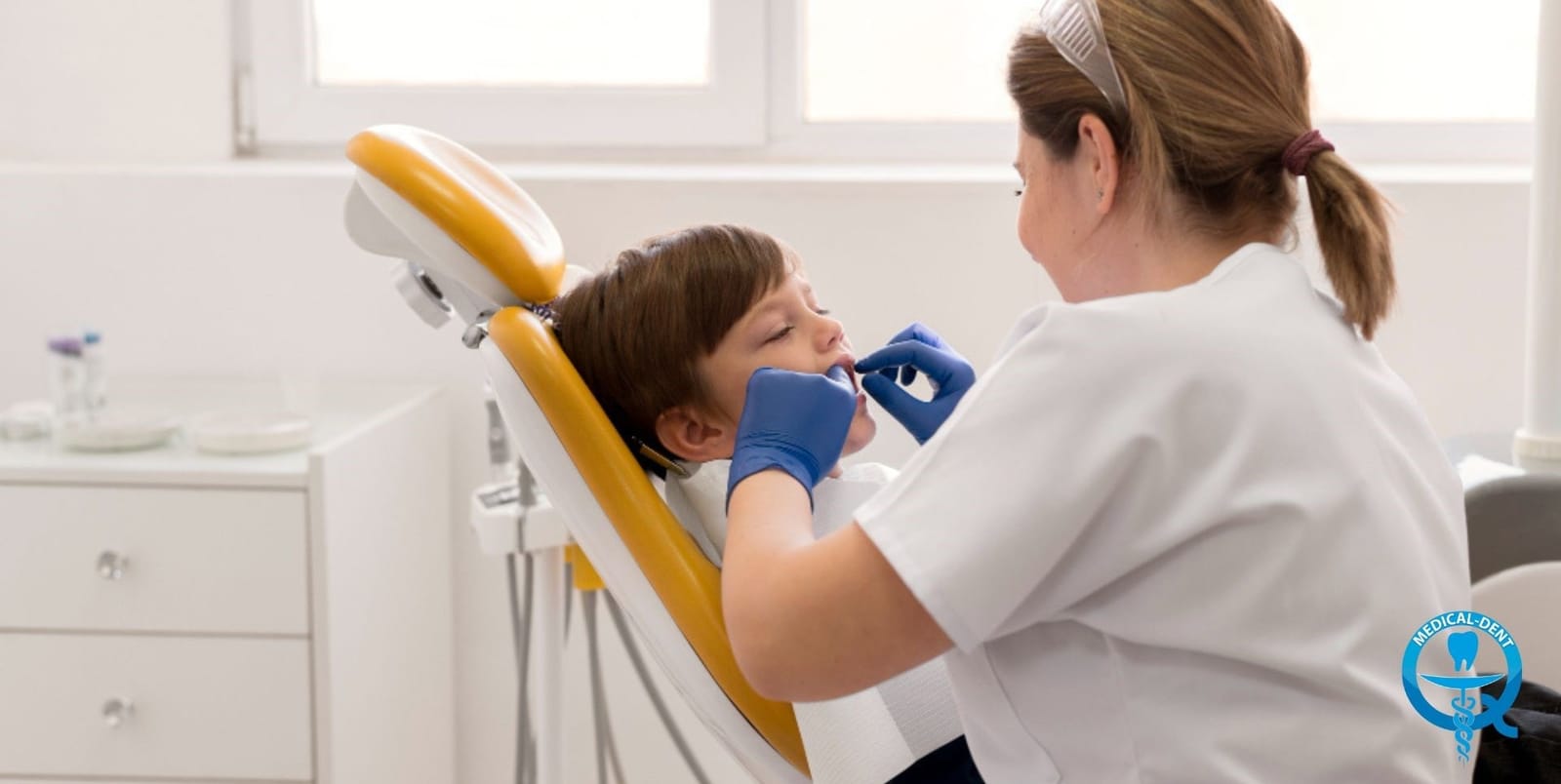
How is treatment chosen?
The dentist examines the tooth and may take an X-ray. They assess whether enough sound structure remains to restore it, the condition of the roots and surrounding tissues, and the stage of development of the adult tooth beneath it.
Baby teeth differ from adult teeth in their anatomy and in the way their roots are naturally absorbed. Treatment is not simply a smaller or easier version of an adult root canal. Baby teeth include incisors, canines and molars: there are no baby premolars.
Keeping a suitable tooth can preserve function and space, but early loss does not inevitably mean that a child will need braces. If removal is recommended, ask whether the space needs monitoring. Our guide to baby tooth extraction explains some of the considerations.
What should a parent expect?
The team should explain the proposed procedure, alternatives and pain control in language you and your child can understand. Tell them about any anxiety, medical conditions or previous difficult visits. Some children need referral for additional support or treatment arrangements.
After pulp treatment, the tooth needs a suitable restoration, which may be a filling or a crown. Follow-up checks are important because treatment can fail or further problems can develop. A filling material does not guarantee that infection will never return.

Pain or swelling should not wait
Arrange prompt dental care for toothache, a gum swelling or suspected infection. Do not leave an infected baby tooth untreated while waiting for it to fall out. Antibiotics alone do not replace treatment of the source of infection.
If you cannot reach a dentist, NHS 111 can help with urgent advice. Difficulty breathing or swallowing, or swelling affecting the eye, requires emergency help.
Costs and prevention
Ask for an individual treatment plan and estimate after assessment, including the final restoration and any referral. Adult root canal fees should not be assumed to apply to a baby tooth. The general dental fee page lists services, but does not replace a child-specific assessment and quote.
Daily brushing with age-appropriate fluoride toothpaste, help from an adult and limiting frequent sugary snacks and drinks reduce the risk of decay. Start dental visits when the first tooth appears, ideally by the first birthday. If your child already has a problem, seeking help now is more useful than feeling guilty about it.
Contact us to arrange an assessment or discuss concerns about your child’s tooth.