Root canal retreatment: reasons, treatment and costs
Originally published
A tooth that has had root canal treatment may sometimes need further treatment if infection persists or returns. Root canal retreatment offers another opportunity to keep the tooth, but the first step is to establish what is causing the problem and whether the tooth can be restored.
Pain is one possible sign, but some problems are found during a dental review before symptoms develop. A previously treated tooth does not need retreatment simply because a new crown or veneer is planned.
Why might further treatment be needed?
The original canal system may have been difficult to access or clean, or a canal may have remained untreated. A leaking filling, a damaged crown or new decay can also allow bacteria back into a previously treated tooth. These possibilities need an examination rather than an assumption that the earlier dentist did something wrong.
Your dentist will assess the tooth, its restoration and supporting tissues, usually with appropriate X-rays and comparison with earlier records. A change around the root may need monitoring or treatment depending on its history and whether healing is taking place.
The American Association of Endodontists explains common reasons for retreatment.
Can every tooth be retreated?
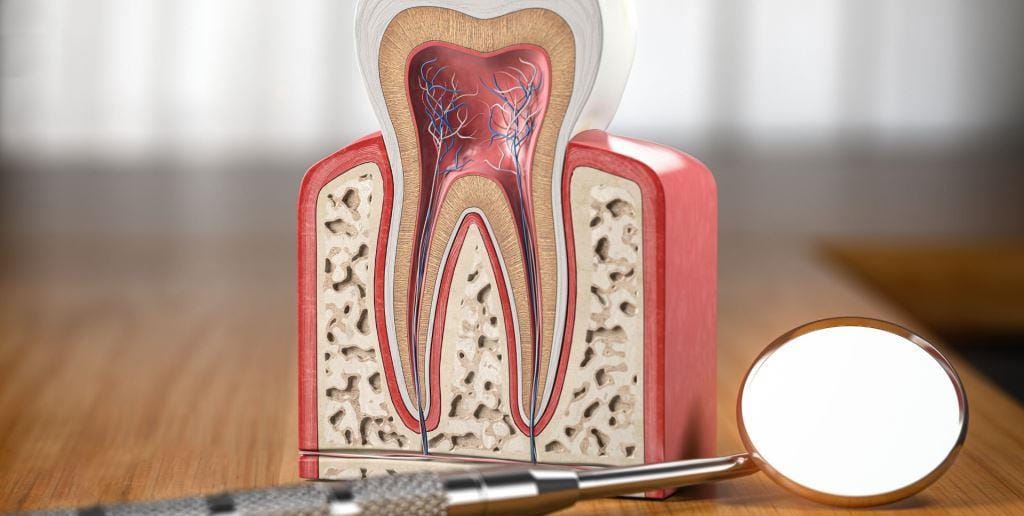
The amount of sound tooth left, the condition of the gums and bone, and access to the canals all affect the decision. A vertical root fracture or a tooth that cannot be restored may make extraction the more appropriate option. A large area of inflammation on an X-ray alone does not automatically rule out saving the tooth.
Options may include retreatment through the tooth, surgery around the root tip in selected cases, or extraction. Referral to an endodontic specialist may help with a complex case. Your dentist should explain the likely benefits, risks and alternatives, including the consequences of leaving an active problem untreated.
What happens during retreatment?
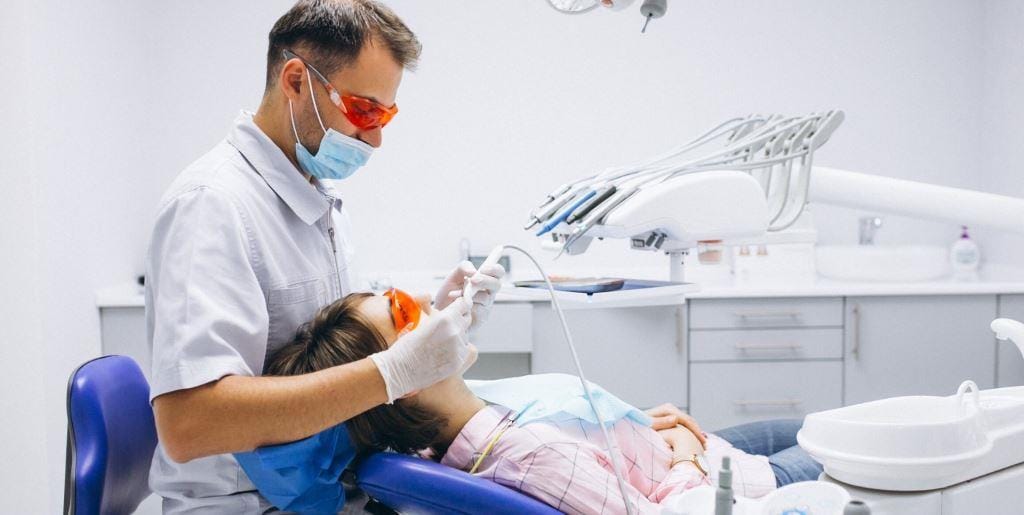
Treatment normally uses local anaesthetic. Tell the dentist if you feel pain so they can address it. A protective rubber sheet, called a dental dam, helps isolate the tooth during treatment.
The dentist gains access to the canals, removes previous canal filling material where possible, and cleans and disinfects the canal system before refilling and sealing it. Access may involve removing or working through an existing restoration. More than one appointment can be needed.
A microscope can improve visibility and help locate difficult anatomy, but it cannot reveal every microscopic branch or guarantee that all infection will be eliminated. Read more about root canal treatment under a microscope.
Afterwards, the tooth needs an appropriate final restoration to seal and protect it. That may be a filling, an onlay or a crown, depending on how much tooth remains. Follow-up checks assess healing. Risks include persistent infection, damage to the tooth during access, instrument complications and the possibility of further treatment or extraction.
What are the listed fees?
Our combined root canal retreatment fees include treatment, treatment X-rays and a core build-up:
- Incisors: £520 without a microscope; £670 with a microscope.
- Canines and premolars: £560 without a microscope; £710 with a microscope.
- Molars: £620 without a microscope; £770 with a microscope.
The build-up is included in each total, and the microscope is included in each microscope-assisted option. Crowns and onlays, if needed, are priced separately. Ask for a written plan confirming the proposed treatment and costs.

For instalment options, see the current finance terms. Finance is subject to eligibility, status and affordability checks. A monthly payment needs to be calculated from your actual treatment plan and agreement.
When to seek help
Arrange a dental assessment for pain, swelling, a broken restoration or a recurring lump on the gum around a treated tooth. Seek urgent dental care for suspected infection, and contact NHS 111 if you cannot get help. Call 999 or go to A&E for difficulty breathing, speaking or swallowing, extensive mouth swelling, or swelling affecting an eye or vision.
Continue brushing twice daily with fluoride toothpaste and cleaning between teeth. Good care reduces avoidable problems but cannot guarantee that a root-treated tooth will never need further treatment. Contact us if you are concerned about a tooth.