
Porcelain veneers: benefits, limitations and costs
Originally published
Porcelain veneers are thin ceramic coverings bonded to the front of teeth. They can change colour, shape or proportions, but they involve a long-term commitment to maintaining the teeth and restorations. They should not be treated as a quick, permanent solution for every smile concern.
Before deciding, explain what you would like to change and ask whether a less invasive option could meet the same aim. Choosing no cosmetic treatment is also an option.

When might veneers be considered?
A veneer may help with selected discolouration, small defects or gaps. Suitability depends on the amount of sound tooth tissue, gum health and the forces placed on the tooth. Veneers cover the front surface; they do not move roots or correct an underlying bite problem in the way orthodontic treatment can.
Active decay or gum disease needs attention first. Grinding, clenching or significant tooth wear can make planning more complicated and increase the risk of damage. A protective appliance may be advised, but it cannot guarantee that a veneer will never fracture.
Crowns are not an automatic alternative when veneers are unsuitable. They usually involve more tooth preparation and should have a clear reason. Depending on the concern, options may include whitening, composite bonding, orthodontics or monitoring.
What should you know before preparation?
Some enamel often needs to be removed to create space and a suitable shape. Once removed, it does not grow back, so this stage is irreversible. Ask how much preparation is proposed for each tooth and why. “Minimal preparation” does not mean there is no lasting change or no future maintenance.
Your dentist should discuss possible sensitivity, chipping, loosening and future replacement. Veneers resist staining, but the margins and surrounding natural teeth can still change over time. The American Dental Association explains veneer benefits and risks.
Planning and fitting
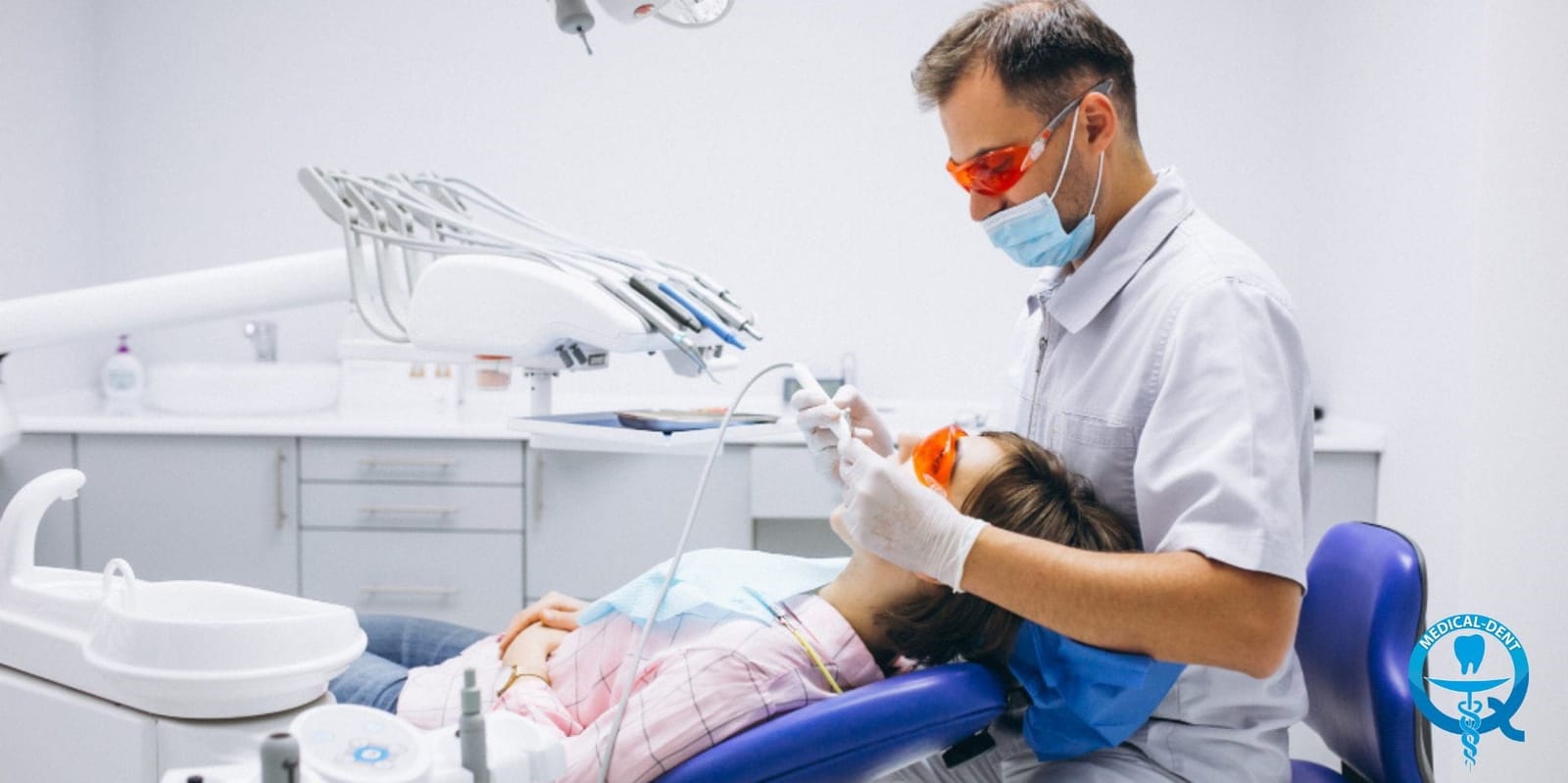
The dentist examines your teeth and bite and discusses the proposed shape and shade. Photographs, scans or impressions may help with planning. Ask what any preview or temporary version can show, and what it cannot guarantee.
Preparation and manufacture depend on the technique. Temporary restorations may be used while the final veneers are made; these are not whitening trays. At the fitting, check the appearance and comfort with your dentist before bonding. The team should explain the expected timetable and how discomfort will be managed, rather than promising a painless procedure.
Looking after veneers
Continue brushing with fluoride toothpaste and cleaning between your teeth. Keep routine dental reviews and report persistent sensitivity, a rough edge or a change in your bite. Do not try to glue a loose veneer back yourself.
Avoid using teeth to open packaging or bite hard objects. If a night guard has been prescribed, follow the instructions and bring it to reviews so the fit can be checked. Good care helps, but no restoration has a guaranteed lifespan.
What does treatment cost?
The total depends on the number of teeth, the proposed material and technique, and any treatment needed beforehand. Our prosthodontic fees list current services; ask for a written quotation for your own plan rather than relying on an old UK-wide price range.
Check what is included in planning, temporary restorations and follow-up, and ask about possible repair or replacement costs later. If you are interested in instalments, read the current finance information. Eligibility and the agreement’s terms need to be checked before you apply.
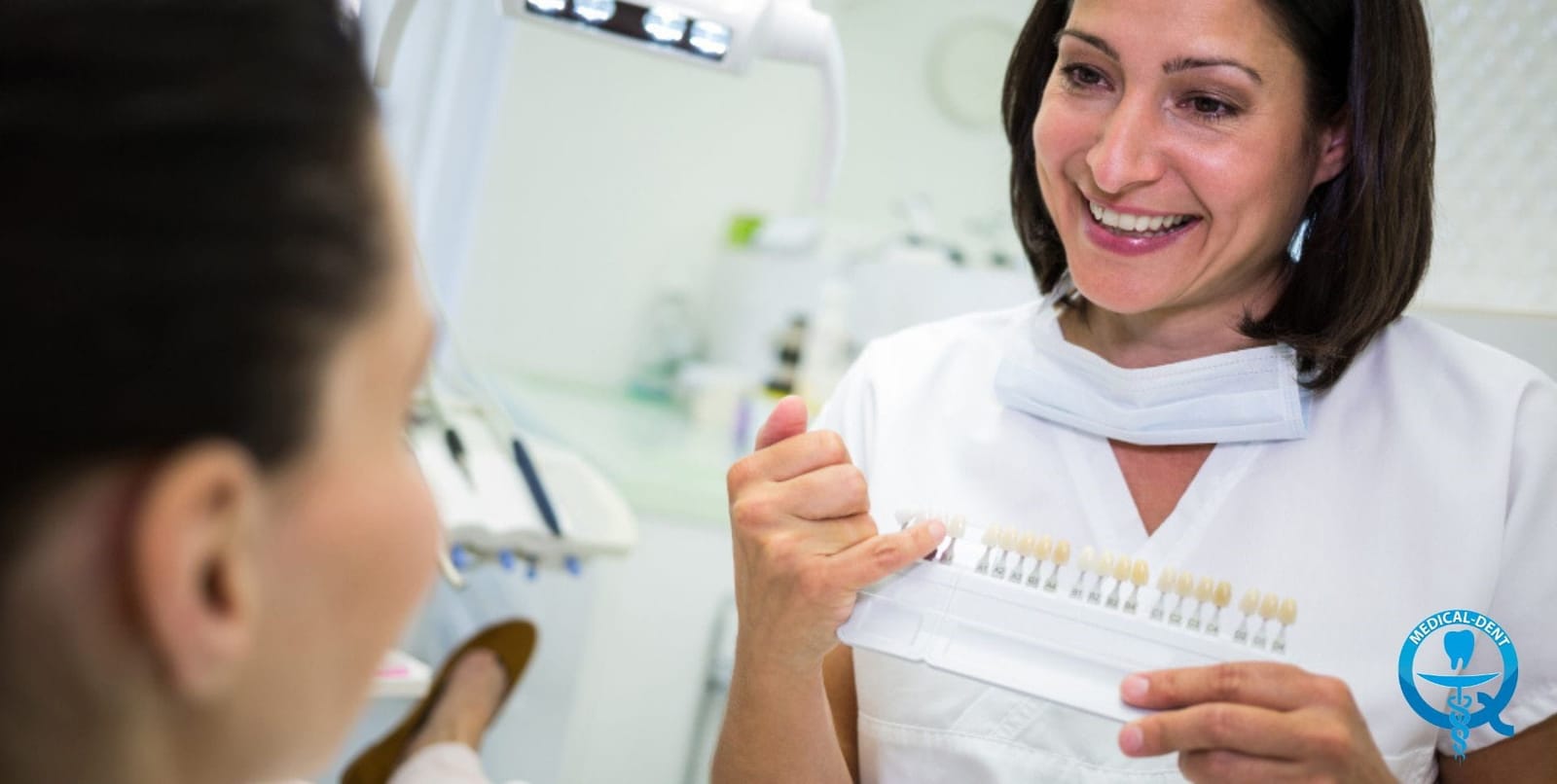
Arrange a consultation if you would like to compare options. You should have time to understand the changes to your natural teeth before deciding whether veneers are right for you.