
Paying for braces in instalments in the UK
Originally published
Spreading the cost of braces may make budgeting easier, but the monthly payment is only one part of the decision. You also need to know the total treatment cost, what is included and the terms of any credit agreement.
Start with an orthodontic assessment and a written treatment plan. A monthly figure advertised without its loan amount, term and conditions cannot tell you what your own treatment will cost.
Choose the treatment before choosing the payment plan
Orthodontic treatment can change tooth position and improve how the teeth meet. The reasons for treatment and likely benefits depend on the individual. Crowded teeth may be harder to clean, but braces do not guarantee protection against decay or gum disease, and should not be promoted as a way to prevent a heart attack.
Tell the clinician what you want to change and ask about suitable alternatives. You can read our overview of orthodontic treatment before your appointment.
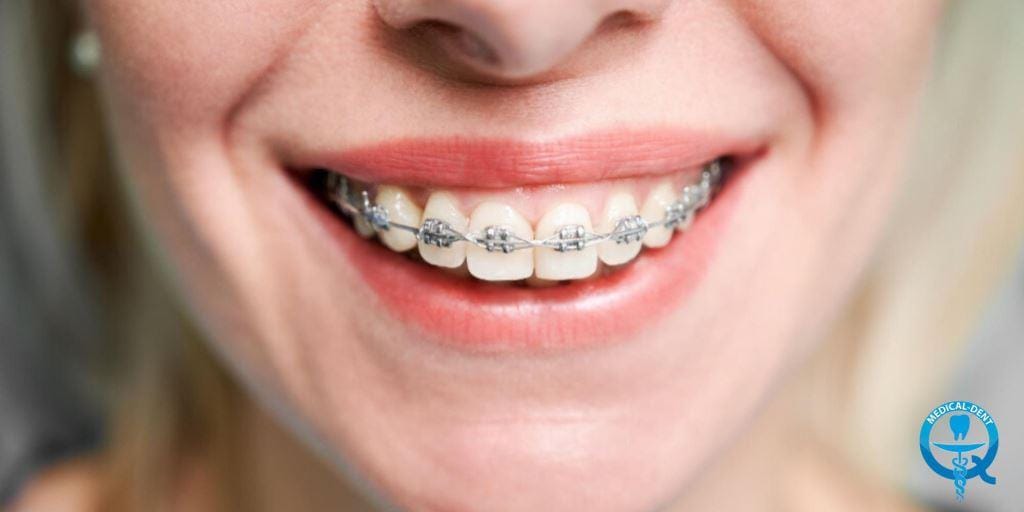
Fixed braces stay attached during treatment. Removable options include clear aligners and other appliances; they are not all the same type of tray. The choice depends on the movements needed, oral health and your ability to follow the wear and care instructions.
Your assessment may include photographs, X-rays, scans or impressions. The appliance should be chosen from the full assessment, not an impression alone. Ask for an estimated timetable and how progress will be reviewed.
Ask for the full cost
Before comparing payment options, establish whether the quotation covers one or both arches and which appointments and appliances it includes. Useful questions are:
- Are assessment, imaging and review visits included?
- What happens if an appliance breaks or needs replacing?
- Are retainers and retention reviews included?
- Could additional treatment or a change of plan alter the price?
See our orthodontic fees for current listed items. An appliance fee is not necessarily the cost of the complete course of care. Ask for your own written estimate rather than relying on an old monthly example.

How to check the finance arrangement
Read the practice’s current finance information alongside your proposed quotation. An application can be considered after the treatment plan and cost have been agreed. Approval is subject to the lender’s assessment; it is not available automatically to everyone who books treatment.
Check the amount borrowed, any deposit, the number and size of repayments, APR and total amount repayable. Make sure you understand what happens if a payment is missed or treatment changes. Ask for anything unclear to be explained before signing.
Medical Dent acts as a credit broker, not the lender. A minimum finance amount applies, but you should confirm the current threshold rather than assume an old figure still applies. If the treatment is for a child, ask specifically about eligibility and who would enter the agreement.
Include practical costs in your decision
Orthodontic treatment needs continuing care. If you are comparing practices in different locations, consider travel, time off and how you would get help with a broken brace. Neither the country nor the language used by a practice tells you the total cost or quality of the plan.

You do not have to decide on finance at the first discussion. Take time to compare the clinical plan with what you can afford. Contact the practice to arrange an assessment and request the information needed to make that decision.