
Orthodontic treatment in the UK: what to expect
Originally published
Orthodontic treatment moves teeth to change their position and the way they meet. It may help with crowding, gaps or bite problems, and some people choose it to change the appearance of their smile. The right plan depends on your needs; treatment is not essential for every variation in alignment.
It is reasonable to ask about comfort, time and cost before deciding. A consultation should give you the information to consider those questions without pressure to start.
When should you ask for an assessment?
Speak to a dentist if tooth position makes biting or cleaning difficult, a tooth has not erupted as expected, or you would like to discuss alignment. Children and adults can be assessed, though the appropriate treatment and timing differ.
Loose teeth, cracking, jaw pain or headaches need their own assessment. They are not, on their own, evidence that braces are needed. Orthodontics should not be promised as a cure for jaw joint disorders or headaches. NIDCR explains the limits of bite-changing treatments for TMD.
What happens before treatment?
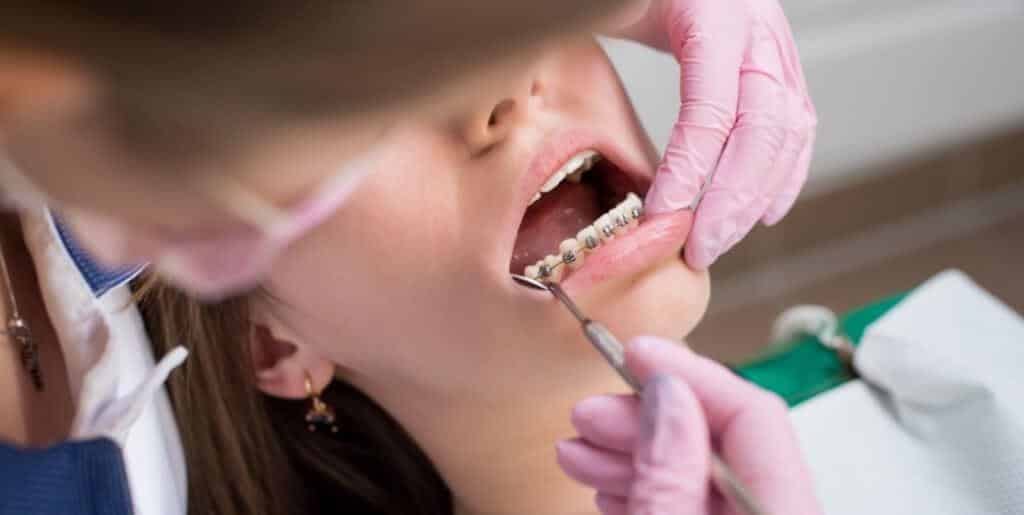
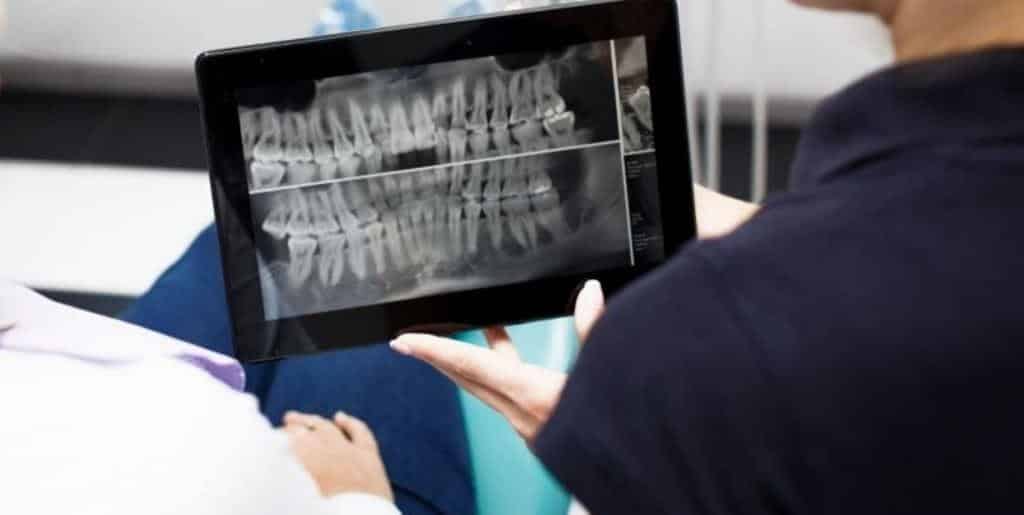
The clinician asks about your concerns and medical and dental history, then examines the teeth, gums and bite. Photographs, X-rays, a digital scan or impressions may be needed. Records support the assessment rather than replacing it.
Existing decay or active gum disease needs attention before teeth are moved. You should then receive an explanation of suitable options, risks, expected benefits and costs, including what monitoring without treatment would mean.
Our orthodontic questions and answers cover the first appointment and retention in more detail.
Which appliances are available?
Fixed braces use brackets and wires to move teeth. The brackets may be metal or tooth-coloured. They stay attached during active treatment and are removed by the clinician when appropriate; “fixed” does not mean permanent for life.
Removable appliances include conventional plates, functional appliances and clear aligners. They have different purposes and are not restricted to children under 12. Suitability and wear instructions depend on the device and the plan. The British Orthodontic Society describes the main brace types.
How long does treatment take?
Some limited changes take months, while more comprehensive treatment can take a couple of years or longer. Your clinician should estimate the time for your case and explain what could change it. An estimate is not a guaranteed finishing date.
Attend review appointments and follow instructions for removable appliances or elastics. Keep routine dental examinations as well: a brace adjustment is not a replacement for checking the rest of your oral health.
Care during and after treatment
Cleaning around an appliance takes attention. Use fluoride toothpaste, clean between the teeth and follow the team’s advice on extra cleaning around brackets or trays. Ask how to adapt food choices to avoid damaging your appliance.
Braces can cause temporary tenderness and rubbing. Report severe or persistent pain, swelling or a broken appliance rather than waiting for the next planned visit. Treatment also has risks, so ask how these apply to your teeth and gums.
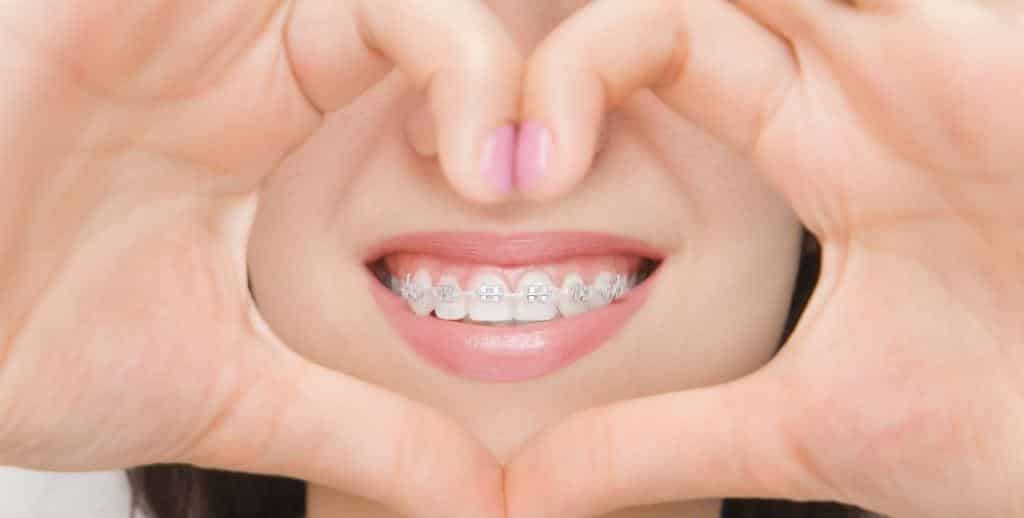
Straighter teeth do not remove the need for daily care, guarantee freedom from decay or replace speech therapy where it is needed. Retainers help maintain the result after the active phase, usually as part of long-term care.
Planning the cost
Ask for a written estimate covering the proposed appliance, appointments and retainers. Check any exclusions and possible future replacement costs. If you are considering instalments, read the current finance information and confirm eligibility and the total commitment. Take affordability into account alongside the clinical choices.