
Orthodontic treatment: frequently asked questions
Originally published
Before starting orthodontic treatment, it helps to understand what the proposed plan is intended to change and what it will involve day to day. These answers are a starting point for discussion with your dental team.
Why do teeth become crowded or the bite change?
Tooth size, jaw development, early loss of baby teeth and other factors can influence alignment. There is rarely a single explanation for every patient. Wisdom teeth should not automatically be blamed for crowding or removed simply to keep the front teeth straight.
Crowding can make cleaning more difficult, but it does not make decay inevitable or mean the enamel is inherently brittle. Ask what the findings mean for your mouth rather than assuming every uneven smile needs treatment.
When is the right time to start?
A dentist can monitor a child’s tooth development and refer when appropriate. Some problems benefit from earlier assessment; others are treated once more adult teeth have erupted. A preschool child with a concern does not automatically need braces straight away.
Adults can also have orthodontic treatment when their dental health allows it. Active gum disease needs to be controlled first; braces are not a treatment for an untreated periodontal infection. Teeth may sometimes be moved as part of a wider restorative plan.
What can treatment change?
The plan may aim to align teeth, close or manage spaces, or improve how the teeth meet. Some growing patients need appliances that address aspects of jaw development. Significant jaw discrepancies may require assessment by a specialist team.
Benefits and limits should be discussed individually. Braces do not guarantee improved speech, a particular face shape or relief of jaw joint symptoms. NIDCR advises caution with bite-changing treatments for TMD.

What happens at the first appointments?
The clinician discusses your concerns and examines your teeth, gums and bite. Records may include photographs, X-rays and either impressions or digital scans. A scan provides a digital model of the teeth; it does not replace the examination or guarantee a diagnosis on its own.
After assessment, you should have a clear explanation of the choices, risks, likely timetable and costs. Ask what is included and who will provide your treatment. You can contact the practice to arrange a consultation.
How long will it take?
The estimate depends on the movements needed and how treatment progresses. Limited changes may be possible in a shorter course, while comprehensive bite correction often takes longer. A six-month offer is not automatically unsuitable, but you need to understand what it will and will not address.
Do not assume everyone finishes within two years. Missed appointments, appliance problems and the response of the teeth can affect progress.
How should I care for my teeth and brace?
Keep the teeth and gumline clean with fluoride toothpaste and the interdental tools recommended for your appliance. Follow any additional cleaning instructions, and continue dental check-ups alongside orthodontic reviews.
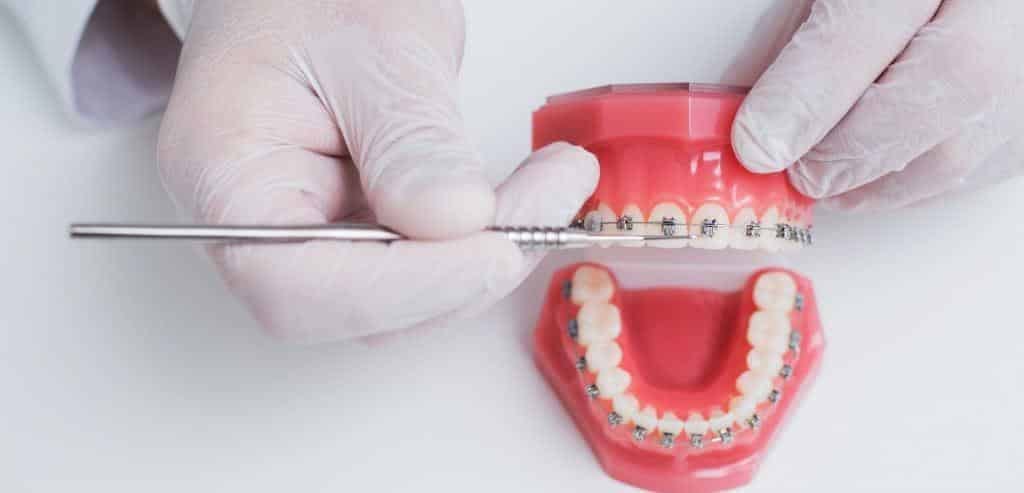
With fixed braces, hard or sticky foods can cause breakages. Cut firm foods into manageable pieces rather than biting directly into them. Contact the treating team about a loose bracket, band or damaged tray; do not attempt a repair with household glue. NHS advice covers caring for braces and when to seek help.
What are retainers for?
Retainers help maintain tooth position after active treatment. They may be removable or bonded behind the teeth. Wear and cleaning instructions are individual, and retention is usually a long-term commitment.
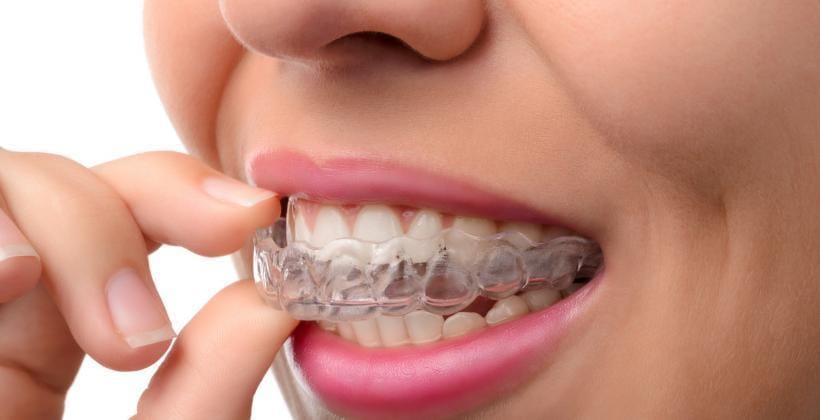
Contact the team if a retainer breaks or stops fitting. Do not wait for visible movement before asking for advice. The British Orthodontic Society explains retention and questions to ask before treatment.
Before you decide, ask what result is realistic for you, what alternatives exist and how much continuing care will cost. You should have time to consider the answers.