
Metal braces: treatment, daily care and costs
Originally published
Metal fixed braces use brackets attached to the teeth and a wire that applies controlled forces. Over time, the tissues around the roots adapt and the teeth move. They are an established option for many alignment and bite problems, but the appropriate treatment depends on an assessment.
You do not need to start treatment simply because your teeth look different from someone else’s. Discuss what troubles you, whether it affects function or cleaning, and what you hope to achieve. Our guide to adult bite problems covers these decisions in more detail.
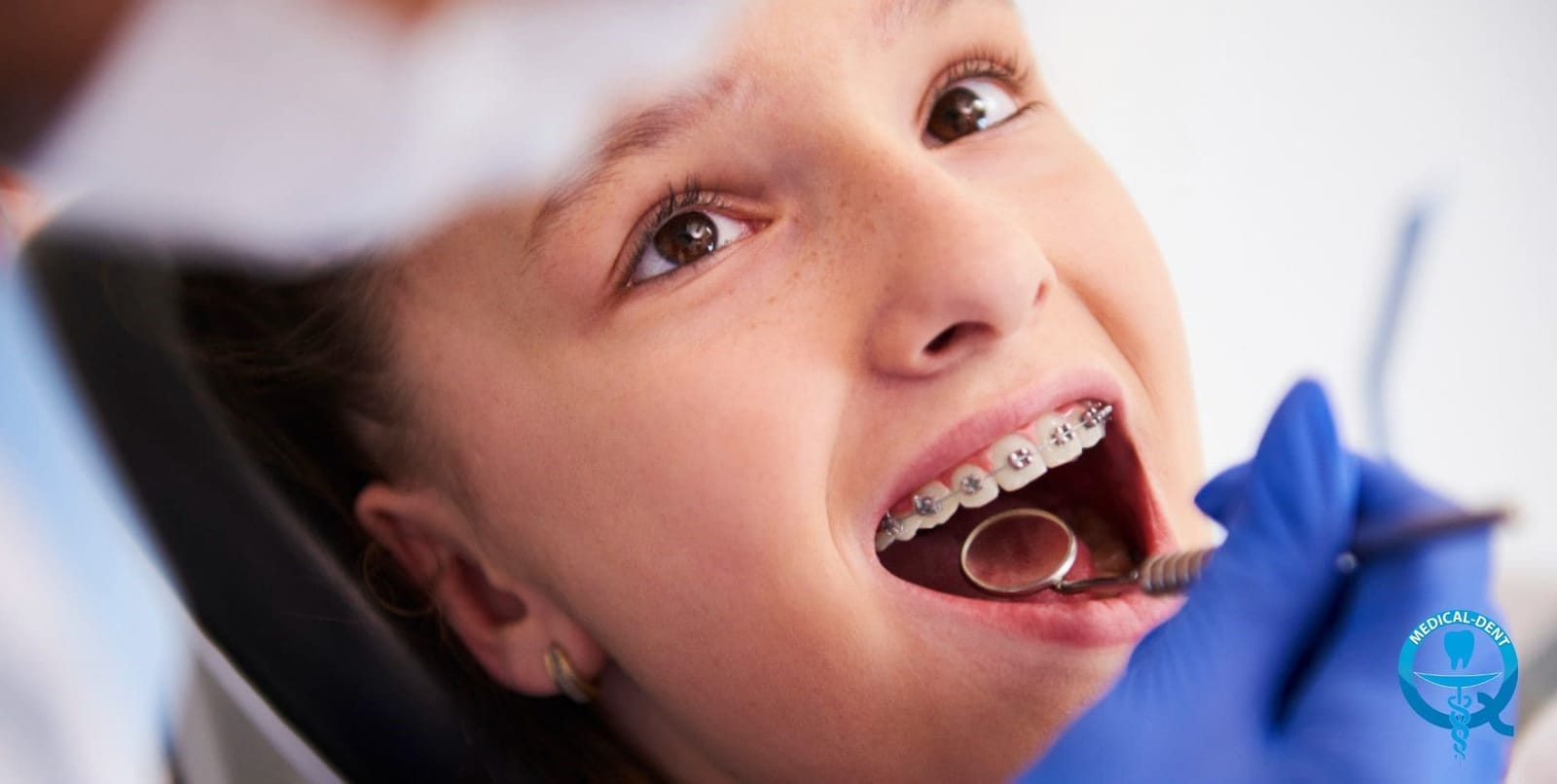
Assessment and fitting
Before fitting braces, the clinician checks your teeth, gums and bite. Photographs, scans or impressions and X-rays may be needed to plan treatment. Tooth decay or gum disease may need attention first. Ask about the proposed movements, alternatives, expected duration and risks, including changes to gums or tooth roots.
Crowding can make cleaning harder, but worsening disease is not inevitable. Braces should not be presented as a routine cure for jaw clicking, headaches or temporomandibular disorders; those symptoms need assessment in their own right.
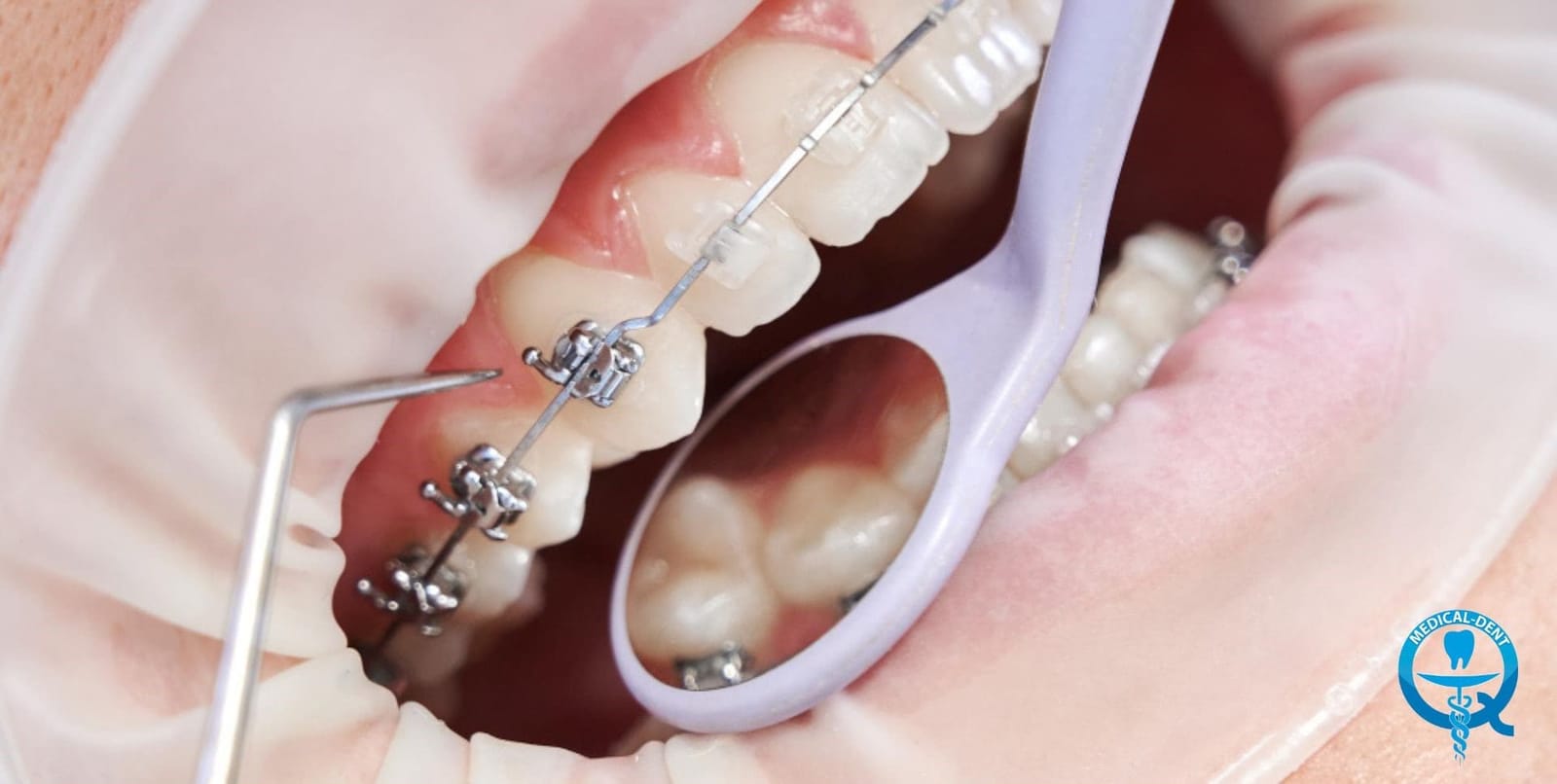
Treatment involves regular adjustment appointments. The interval and overall duration depend on the plan and how your teeth respond. If you cannot attend, let the practice know so the appointment can be rearranged. A broken bracket or wire should also be reported rather than left until a distant routine visit.
Alternatives to metal brackets
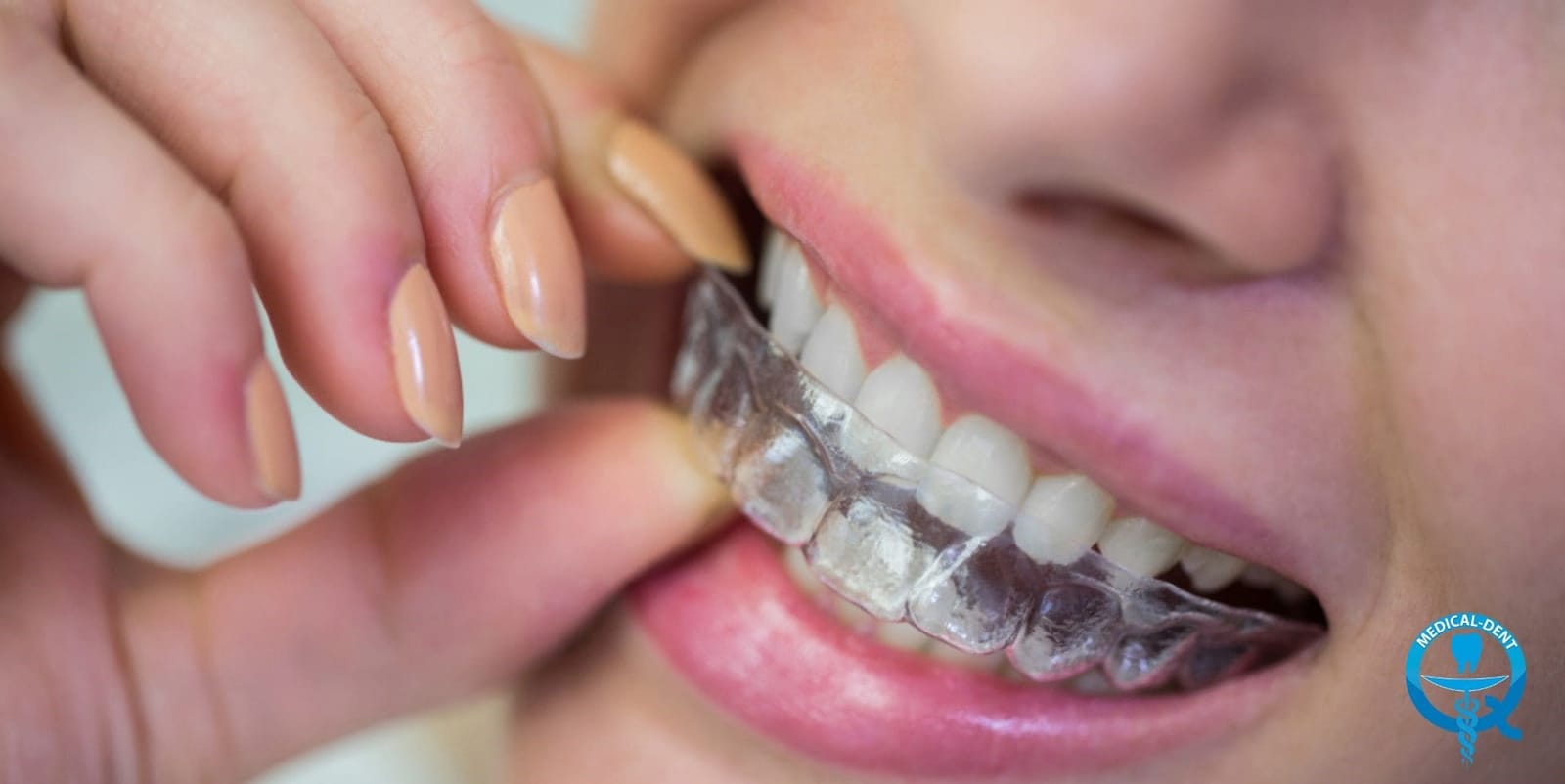
Ceramic brackets are less conspicuous, while clear aligners are removable trays used to move teeth. Invisalign is one brand of aligners. Neither appearance nor price alone determines whether an appliance can achieve the movements you need.
Aligners need to be worn for the prescribed hours and removed as instructed for meals and cleaning. Fixed braces stay in place, but still require daily care and cooperation. Ask about the advantages and limitations of each suitable option.
Eating and cleaning with braces
Some tenderness after fitting or adjustment is common. Softer foods may be more comfortable initially, and orthodontic wax can help where a bracket rubs. Contact the practice if pain is severe, persists or is getting worse rather than assuming you must put up with it.
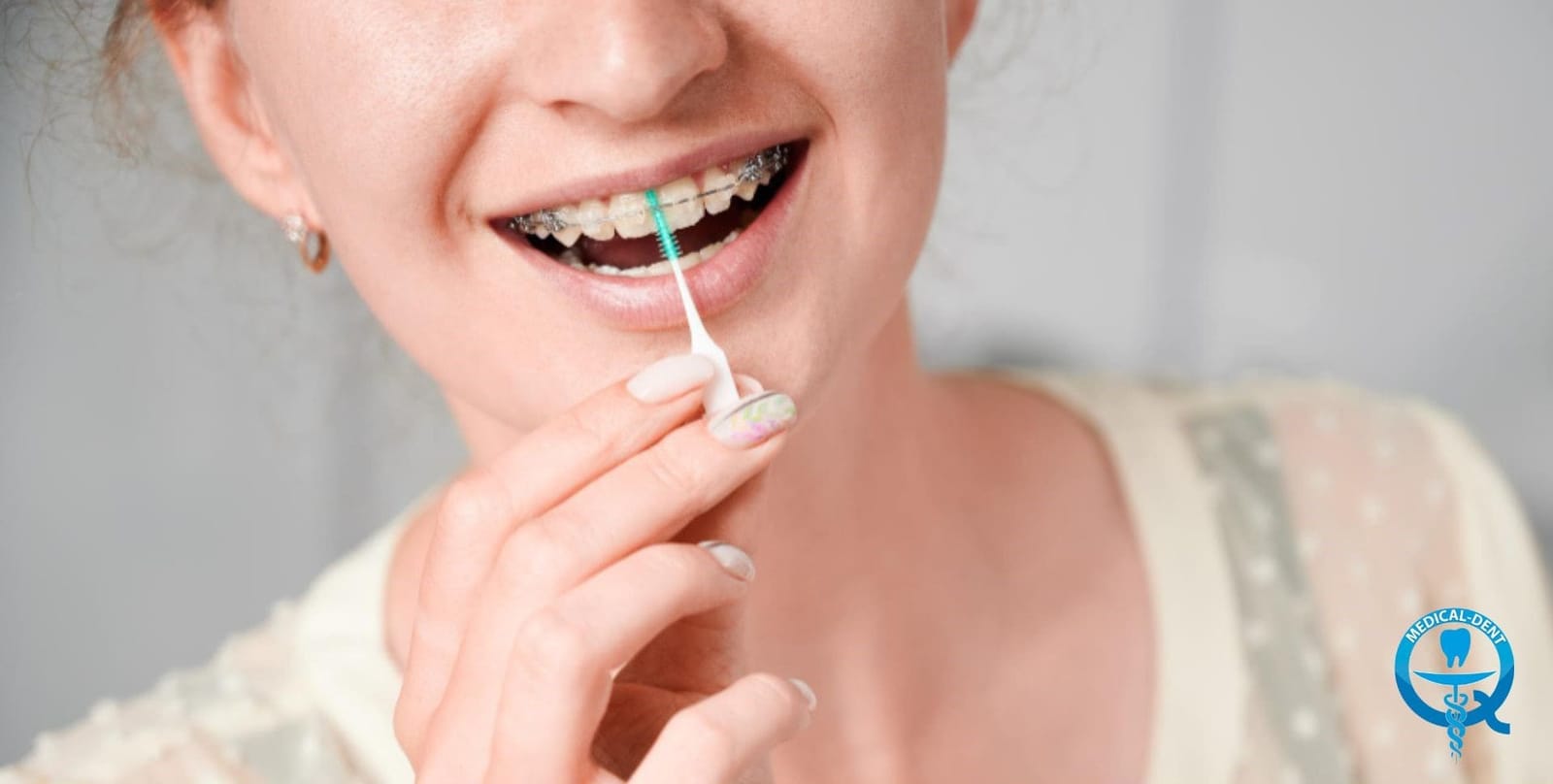
Brush carefully with fluoride toothpaste and clean around the brackets, under the wire and between teeth using the aids your dental team recommends. Plaque left around braces can contribute to gum inflammation and lasting white marks or decay. Keep attending your usual dental check-ups as well as orthodontic visits.
Avoid biting hard objects and follow advice about foods that can damage the brace. Cut up firmer foods where needed. See our guide to caring for teeth with braces for practical cleaning advice.
Retainers are part of the plan
After active treatment, retainers help maintain the new position of your teeth. They may be removable or bonded behind the teeth. Follow your clinician’s wearing and cleaning instructions; retention is usually a long-term commitment.
Contact the practice if a retainer breaks, no longer fits or becomes detached. Do not wait for visible movement before asking for advice.

Fees and continuity of care
Our listed fee for an American Orthodontics standard metal fixed brace is £800 per arch. An arch means the upper or lower row of teeth. This appliance fee is not a quotation for a complete course of treatment. Ask what assessment, adjustments, repairs and retainers will cost and which items are included. The orthodontic fee list provides the current entries.
Whether treatment is in the UK, Poland or elsewhere, plan how you will attend reviews and obtain help with breakages. If you may move, discuss continuity of care before starting; another clinician may need to reassess the plan before accepting a transfer.

If you are considering instalments, read the current finance terms. Eligibility and approval apply. Do not assume that the first twelve payments of every agreement are interest-free.
Contact the practice to arrange an assessment. The NHS guide to braces explains treatment and daily care.