
Malocclusion in adults: causes and treatment options
Originally published
Malocclusion describes teeth or jaws that do not meet in their usual relationship. It can involve crowding, gaps, prominent teeth or a bite that makes chewing difficult. Adults can have orthodontic treatment, but whether it would help you depends on your teeth, gums and what you want to change.
There is no need to feel embarrassed about your teeth or about considering braces later in life. An assessment should explain the options without making you feel that a particular appearance is a personal failing.
Why can an adult’s bite change?
Tooth and jaw development, inherited features and the way teeth erupted can all contribute. Some problems have been present since childhood; others become noticeable later. Missing teeth or changes in the tissues supporting the teeth may also affect tooth position. These changes deserve assessment, rather than an assumption that they result from neglect.
If your bite feels different after a filling, crown or bridge, tell the treating dentist. They can check the restoration and the surrounding teeth. Headaches or jaw discomfort have several possible causes and should not automatically be attributed to the height of a filling or the alignment of your teeth.
Do not stop prescribed asthma inhalers because of concerns about your bite. The claim that inhalers routinely lengthen or deepen the palate is not a sound basis for changing treatment. Discuss mouth symptoms or suspected side effects with your asthma team or pharmacist.
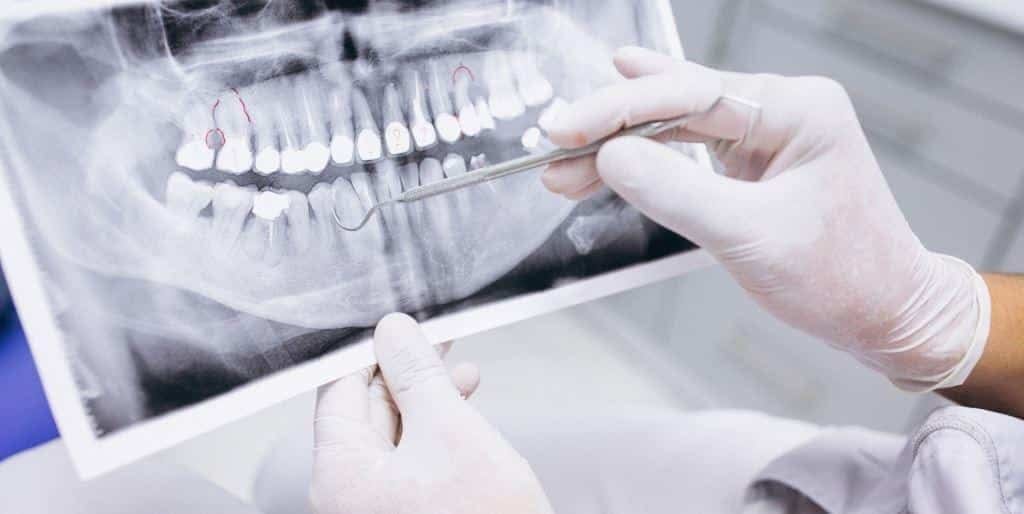
When might treatment help?
Orthodontic treatment may improve tooth alignment, biting function or the appearance of your smile. Crowded areas can be harder to clean, but crooked teeth do not inevitably decay, and braces are not a treatment for preventing heart attacks or other general illnesses.
Jaw pain, clicking and locking need their own assessment. Braces should not be offered as a routine cure for temporomandibular disorders. Our guide to jaw pain and locking explains the distinction.
If you have a gap, discuss whether it needs replacing and the suitable options. These may include a bridge, a denture or an implant; in some circumstances monitoring the space is reasonable. An implant is not automatically the right choice for every missing tooth.
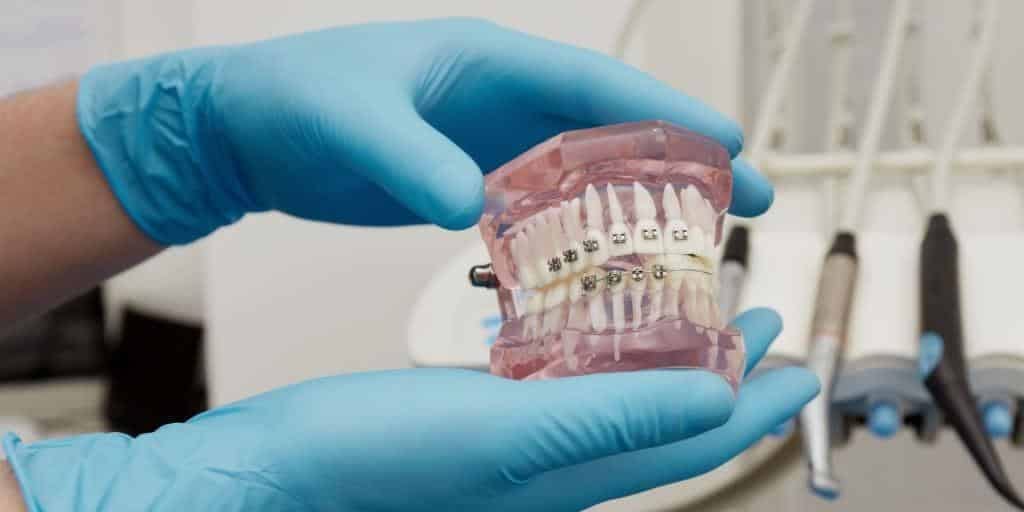
Braces, aligners and other options
Fixed metal or ceramic braces and removable clear aligners can move teeth. Invisalign is one aligner system, rather than another name for all removable appliances. The appropriate choice depends on the movements needed, your oral health and your ability to follow the wearing and appointment schedule.
Gum disease and tooth decay may need treatment before braces begin. Discuss the risks of orthodontic treatment too, including difficulty keeping teeth clean, gum changes and changes to tooth roots. Retainers help maintain the result afterwards and usually require a long-term commitment.
For some substantial differences in jaw position, braces alone may not achieve the intended result. An orthodontic and maxillofacial team can assess whether jaw surgery should be considered. Most consultations do not lead to that recommendation.
Planning the cost and appointments
Ask for a written treatment plan with the expected duration, review schedule and total cost. Check whether assessment, adjustments, repairs and retainers are included. The orthodontic fee list identifies individual charges; a price per arch is not necessarily the price for the whole course.
If you are considering instalments, read the current finance information and ask which options apply to your plan. Availability is subject to eligibility and approval. A rounded monthly price on its own does not explain the full agreement.
Contact the practice to arrange an assessment. The British Orthodontic Society’s FAQs also explain what to ask before starting treatment.