
Jaw pain, clicking and locking: when to seek help
Originally published
Pain when chewing, a stiff jaw or episodes of locking can be unsettling. These symptoms may involve the jaw joints or the muscles that move them, but an examination is needed to work out the cause. Tooth problems and other conditions can produce similar discomfort.
Temporomandibular disorders, usually shortened to TMD, are conditions affecting these joints and muscles. Malocclusion describes how the teeth meet. The two terms are not interchangeable, and jaw pain does not automatically mean that you need braces.

What symptoms need attention?
TMD can cause aching near the jaw or ear, stiffness, painful clicking and difficulty moving the jaw. A painless click with normal movement is common and usually does not need treatment on its own.
Ask for an urgent GP appointment or contact NHS 111 if your jaw is locking, you cannot open it normally, or pain is affecting your ability to eat or drink. New severe headaches, scalp or temple tenderness, or changes in vision also need urgent medical assessment. Do not assume that these symptoms come from your bite.
A jaw stuck open, particularly after an injury, needs urgent medical care; do not try to force it back yourself. Facial swelling, fever or toothache may point to a dental infection and need urgent dental advice. Call 999 or go to A&E if swelling affects breathing or swallowing.
What might be contributing?
Clenching, grinding, stress or an injury can contribute to symptoms, although the exact cause is often unclear. It is not sound to assume that crooked teeth are the main cause. Research does not support using that explanation as a general basis for TMD treatment.
If your bite feels different immediately after a new filling or crown, tell the treating dentist so they can check that restoration. That is a separate assessment from routinely reshaping healthy teeth to treat jaw pain.
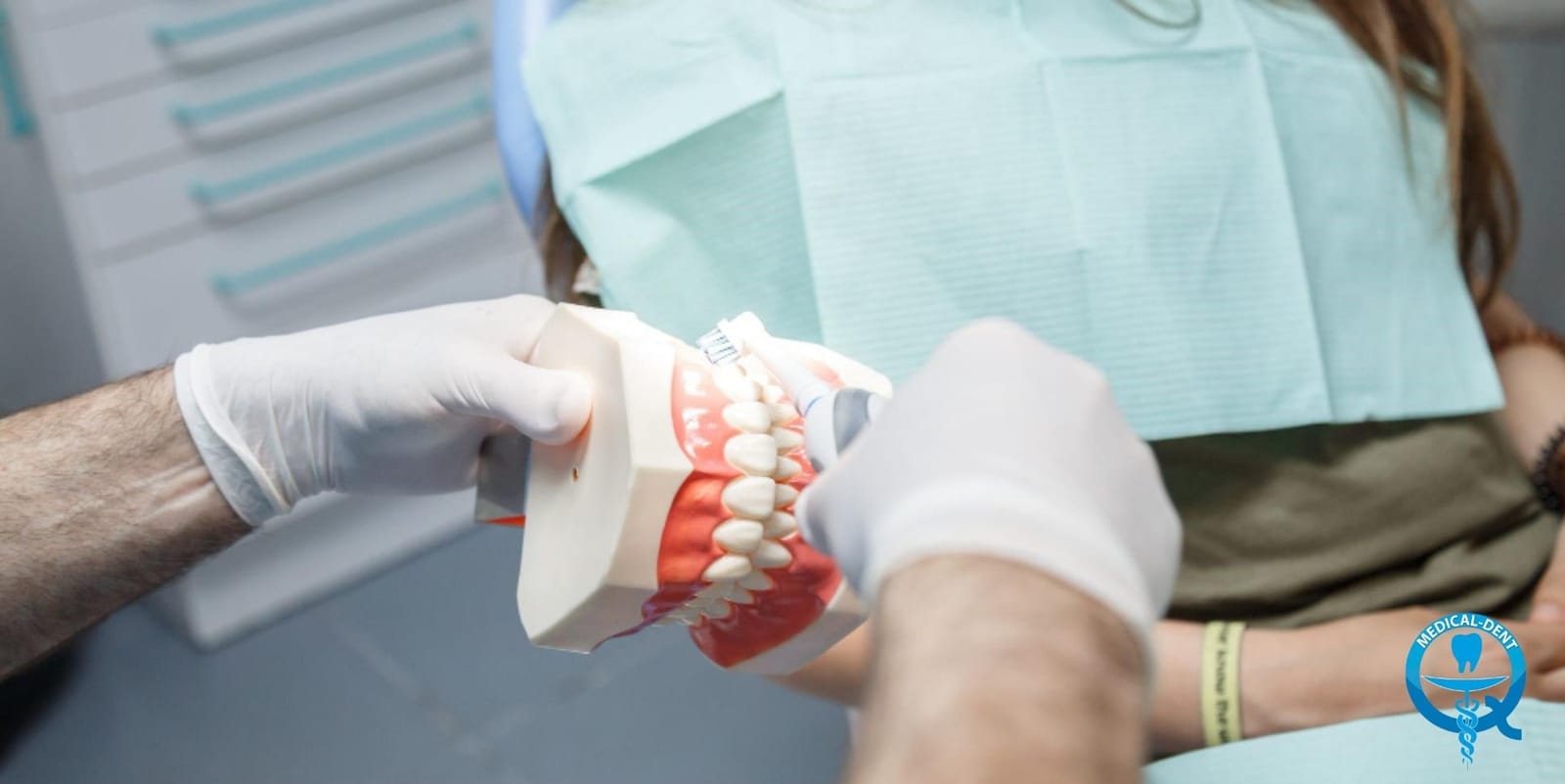
What can help?
While arranging advice, temporarily choose softer foods and avoid chewing gum, biting pens and opening your mouth very wide. A wrapped warm or cold pack may ease discomfort. Try to notice daytime clenching and let your teeth rest apart. Ask a clinician about suitable jaw exercises rather than forcing a painful or locked joint.
Your dentist or GP can review the symptoms and suggest treatment or referral. A splint may be considered, particularly to protect teeth from grinding, but it is not a guaranteed cure for TMD. If an appliance causes pain, stop using it and contact the clinician who advised it.
Treatment generally starts with simple, reversible measures. Irreversible changes to the teeth or bite, such as grinding teeth down, crowns or braces, should not be presented as routine cures for TMD. If such treatment is proposed, ask about the diagnosis, evidence, risks and alternatives before deciding.
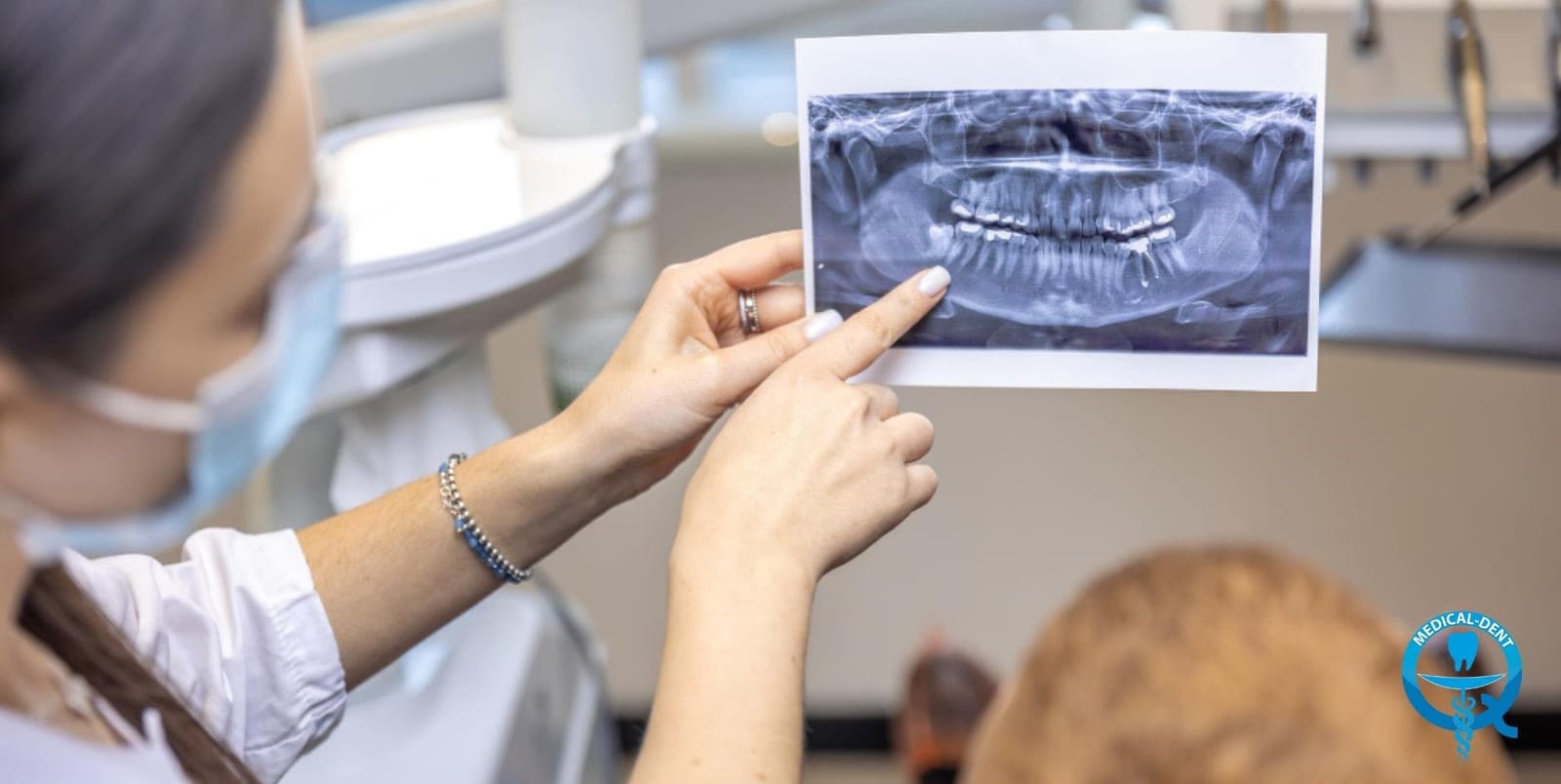
Preparing for your appointment
Make a note of when symptoms started, whether the jaw locks open or closed, and what makes the discomfort better or worse. Mention recent dental work, injuries, medicines and any headaches or ear symptoms. Imaging is arranged when the clinician thinks it will help; it is not automatically needed for every click.
Many jaw joint and muscle problems improve. Persistent symptoms deserve review, but they do not necessarily mean that the joint will keep deteriorating or that major treatment is unavoidable.
For further information, see NHS advice on TMD and the NIDCR overview of diagnosis and treatment.