How medicines and health conditions can affect your teeth
Originally published
Medicines and long-term health conditions can change what your mouth needs. Some reduce saliva, others affect the gums, and certain treatments need careful planning with your dental team. Tooth damage is not inevitable, but new symptoms are worth discussing.
Tell your dentist about your medical conditions, medicines and supplements, including changes since your last appointment. Keep taking prescribed treatment unless your prescriber advises otherwise.
Medicines, dry mouth and tooth colour
A dry mouth can be a side effect of medicines, including some used for depression or high blood pressure. With less saliva, teeth have less protection against decay. Your dentist or pharmacist can suggest ways to relieve symptoms, while your prescriber can review whether a medicine is contributing.
Some medicines can also affect tooth colour. Certain tetracycline antibiotics taken while teeth are developing are one example. This does not mean that all antibiotics damage teeth or that a child should be denied a prescribed antibiotic. Discuss concerns with the clinician who prescribed it.
Fluorosis is a different issue: it develops when too much fluoride is repeatedly swallowed while teeth are forming. Our fluoride toothpaste guide explains the recommended amounts and strengths.
Reflux and repeated vomiting
Stomach acid reaching the mouth through reflux or repeated vomiting can wear away enamel. This is dental erosion, which differs from tooth decay caused by acids produced by plaque bacteria. Having a digestive condition does not automatically mean your teeth are being damaged.
Ask your dentist about sensitivity or visible wear, and seek medical advice for persistent reflux or vomiting. The Oral Health Foundation’s erosion guide explains how acid affects teeth. Managing the cause matters alongside protecting the enamel.
Diabetes and gum health
Diabetes can increase the risk of gum disease, particularly when blood glucose is persistently above the target range. Gum disease can also make glucose management harder. Bleeding gums, loose teeth or persistent bad breath need a dental assessment.
Keep the dental and diabetes teams informed. Dental care supports your overall treatment; it does not replace diabetes medicines or monitoring. Reviews should be planned around your own risk, as explained by Diabetes UK.
Cancer treatment and the mouth
Some cancer treatments can cause mouth soreness, ulcers or infections. Radiotherapy to the head and neck can also affect saliva. These are possible treatment effects, not a claim that everyone with cancer will lose their teeth.
Ask your cancer team whether a dental assessment is needed before treatment starts. Tell them promptly about a sore mouth or difficulty eating, and follow their instructions for urgent symptoms. Mouth care may need adapting: for example, flossing can cause bleeding when platelet counts are low, so check with the team first. Macmillan’s mouth care advice explains these considerations.
Vitamin D and tooth development
Vitamin D helps the body regulate calcium and phosphate. Severe deficiency can affect developing bones and teeth, but supplements are not a guarantee against decay or bite problems. Follow NHS vitamin D guidance for your age and circumstances rather than choosing a high dose to strengthen your teeth.

Epilepsy: protecting someone during a seizure
A seizure can result in an injury to the mouth. Never put anything into the person’s mouth, including a bandage, an object or your fingers. Cushion their head, note how long the seizure lasts and turn them onto their side after the shaking stops. Stay with them while they recover.
Call 999 for a first seizure, one lasting longer than usual, or more than five minutes if you do not know the usual duration. Also call if they do not regain full consciousness, have repeated seizures without recovering, are seriously injured or have breathing difficulty afterwards. Follow the NHS seizure first-aid guidance and any care plan you are trained to use. Dental injuries can be assessed once the immediate medical needs are addressed.
Making daily care manageable
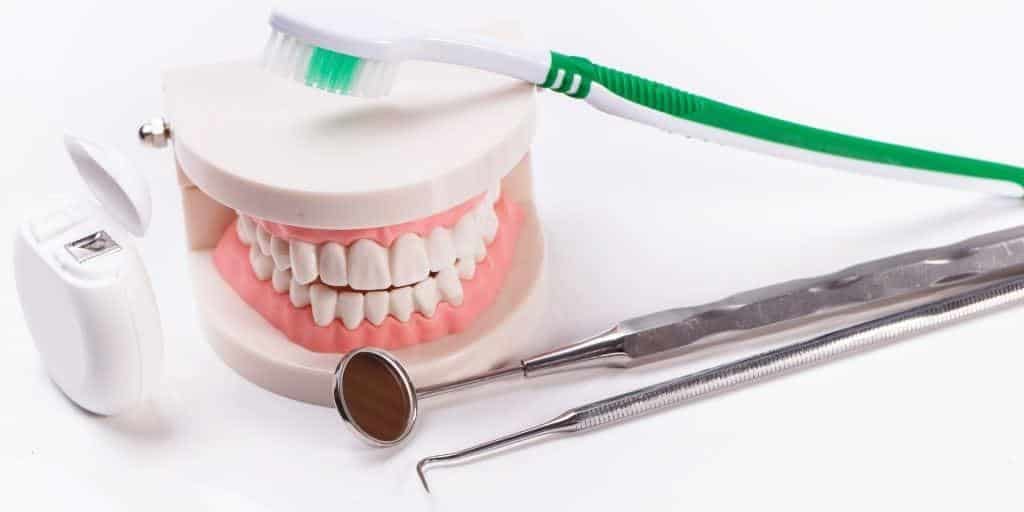
Brush twice daily with fluoride toothpaste and clean between your teeth as advised. If illness, pain or limited movement makes this difficult, tell the dental team so they can help adapt the routine. A medical condition is a reason to plan suitable support, not to blame yourself for needing it.
You can contact the practice to discuss symptoms or arrange a review. Bring an up-to-date medicines list and any relevant instructions from your medical team.