LED teeth whitening: treatment, limitations and cost
Originally published
In-surgery LED whitening uses a whitening gel with a light as part of the treatment system. It may be an option if you would prefer treatment in the dental chair, but suitability depends on the health of your teeth and gums and the cause of their discolouration.
An LED lamp does not, by itself, guarantee a particular shade, a pain-free appointment or a result that lasts longer than other professional methods.
What affects tooth colour?
Natural tooth colour varies with the structure of teeth and changes with age. Surface stains can also build up from smoking or certain foods and drinks. A yellowish shade is not, on its own, evidence of poor hygiene.
Brushing and cleaning between teeth support oral health and help control deposits, but they do not change every type of discolouration. Check-up intervals should reflect your individual risk rather than a universal rule of at least every six months.
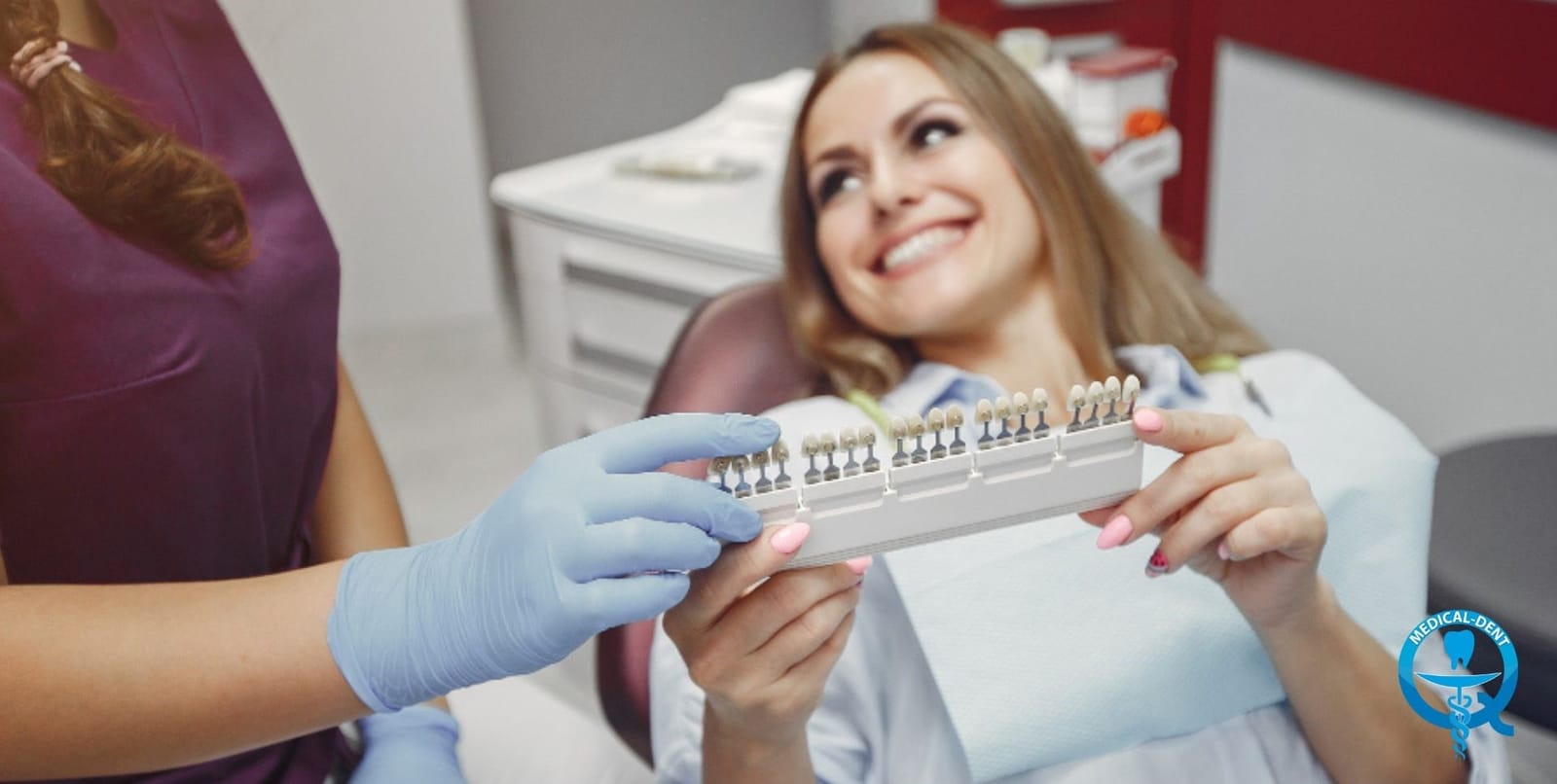
Whitening changes natural teeth. Crowns, veneers and fillings may remain a different shade afterwards. Your dentist should discuss that possibility before treatment, particularly where restorations are visible when you smile.
What happens at the appointment?
First, your dentist assesses your mouth and explains whether cleaning or treatment for decay, gum disease or sensitivity is needed. Cosmetic peroxide whitening is for adults aged 18 and over and is not recommended during pregnancy or breastfeeding.
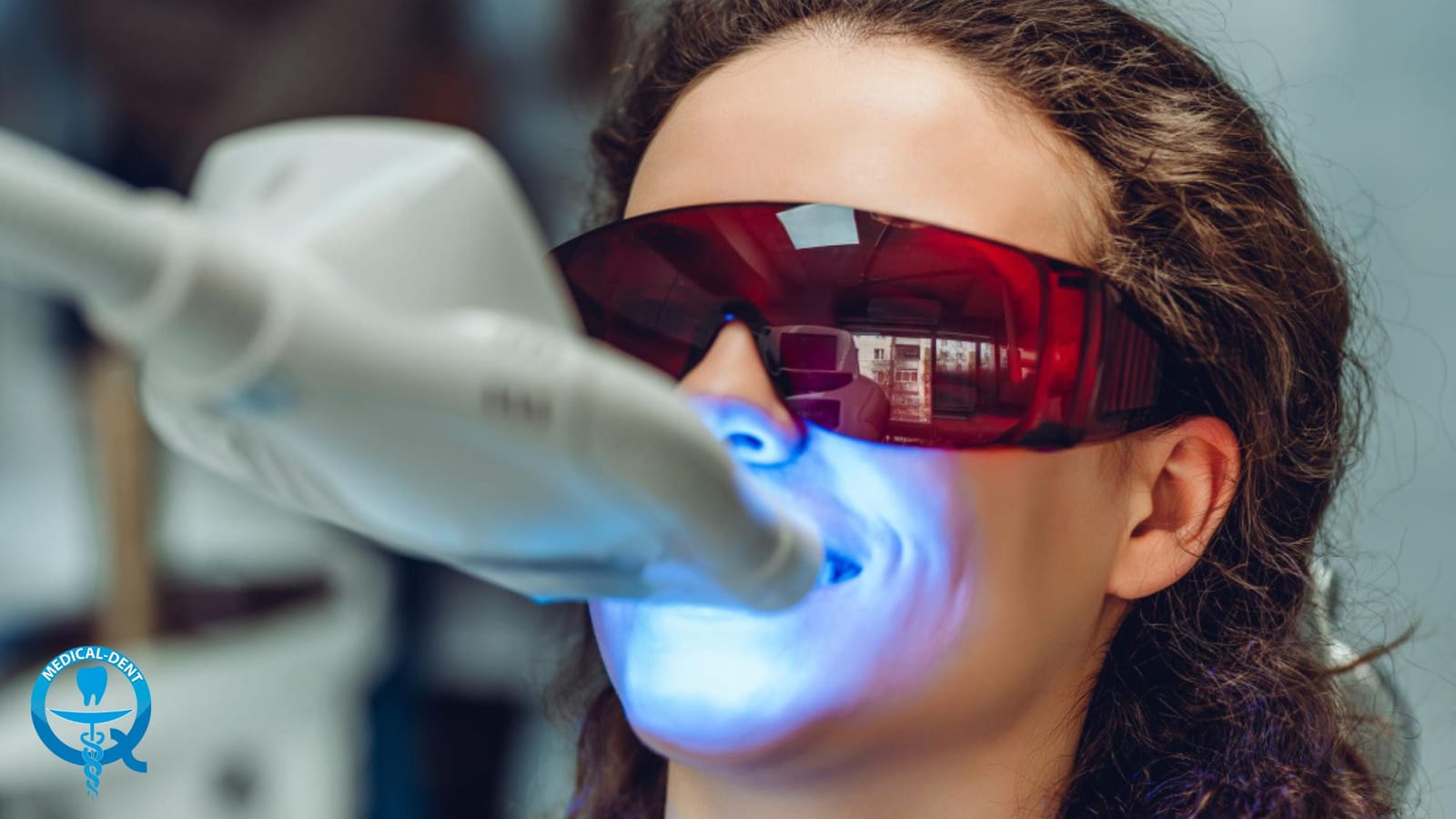
During whitening, the team protects your gums and eyes as required by the system, applies the gel and uses the lamp according to the product’s instructions. The gel is responsible for the bleaching action; the role of the light depends on the system. The presence of a lamp is not proof that it will produce a better result than a dentist-provided tray treatment.
The length of the appointment and number of applications vary. A change may be noticeable after a session, but a maximum of 60 minutes and a particular amount of whitening cannot be promised for everyone.
Benefits and limitations
Having treatment in the surgery allows the team to apply the product and monitor the session. Some people prefer this to using trays at home. Others find a prescribed home course more convenient. Ask how the options compare for your starting shade and sensitivity.
Whitening is not risk-free. Temporary sensitivity and gum irritation can occur even when the procedure is carried out correctly. Tell the clinician promptly if the treatment feels uncomfortable. If symptoms continue afterwards, contact the team; severe pain, pain in one tooth or swelling needs assessment rather than being dismissed as normal whitening sensitivity.
The result is not permanent. Staining can return, and any maintenance should follow the advice for your particular product. There is no single white-diet timetable that applies to every system. For example, Enlighten’s manufacturer states that its system does not require a white diet; that instruction should not automatically be applied to an unrelated LED product.
Fees and choosing treatment
Our listed fee for in-surgery LED whitening is £400. Ask whether any assessment, cleaning or other treatment is needed and how it will be included in your estimate. See our dental treatment fees.
Dentist-provided home whitening is another option. You can read about whitening gels and tray kits and managing sensitivity before discussing your preferences.
If you are considering instalments, read the current finance terms. Eligibility and approval conditions apply. Contact us to arrange an assessment.