
Teeth whitening and sensitivity: what to know before treatment
Originally published
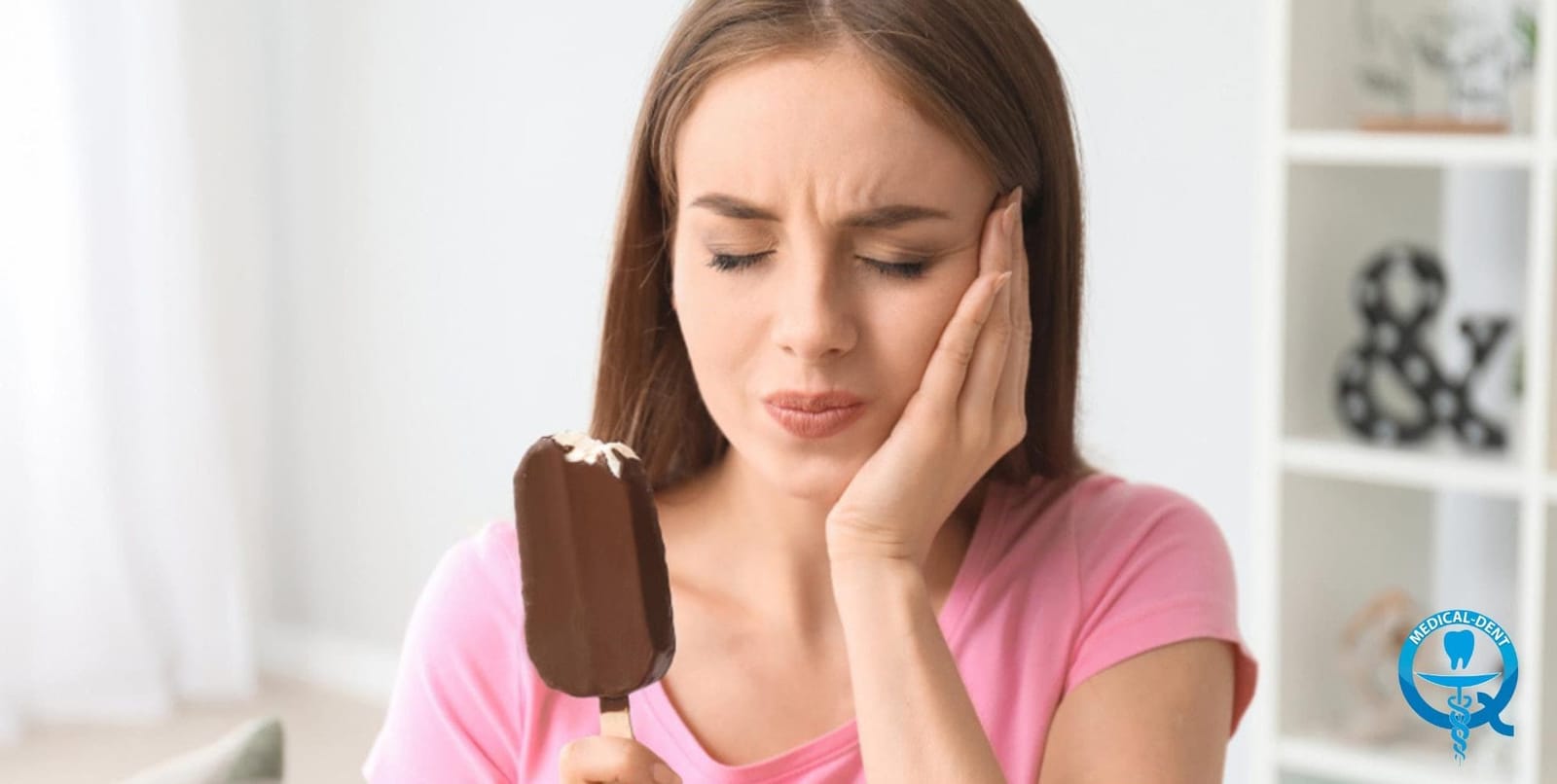
Teeth whitening can cause temporary sensitivity, including sharp sensations with cold food or drink. It does not happen to everyone, and professional supervision does not make the risk disappear.
If your teeth are already sensitive, tell your dentist before starting. Pain may have another cause that needs treatment first, such as decay, a crack or exposed root surfaces.
Why might whitening feel uncomfortable?
Whitening gels commonly contain hydrogen peroxide or carbamide peroxide. Sensitivity can occur during their use, but this does not mean that whitening has necessarily worn away enamel or exposed new channels in the tooth.
Gum recession, worn tooth surfaces and existing dental problems are relevant when assessing suitability. Poorly fitting trays or gel reaching the gums can also cause irritation. Your dentist should check your teeth and gums and discuss any visible fillings, crowns or veneers, which will not whiten like natural teeth.
Read more about tooth sensitivity and its causes.
Before you start
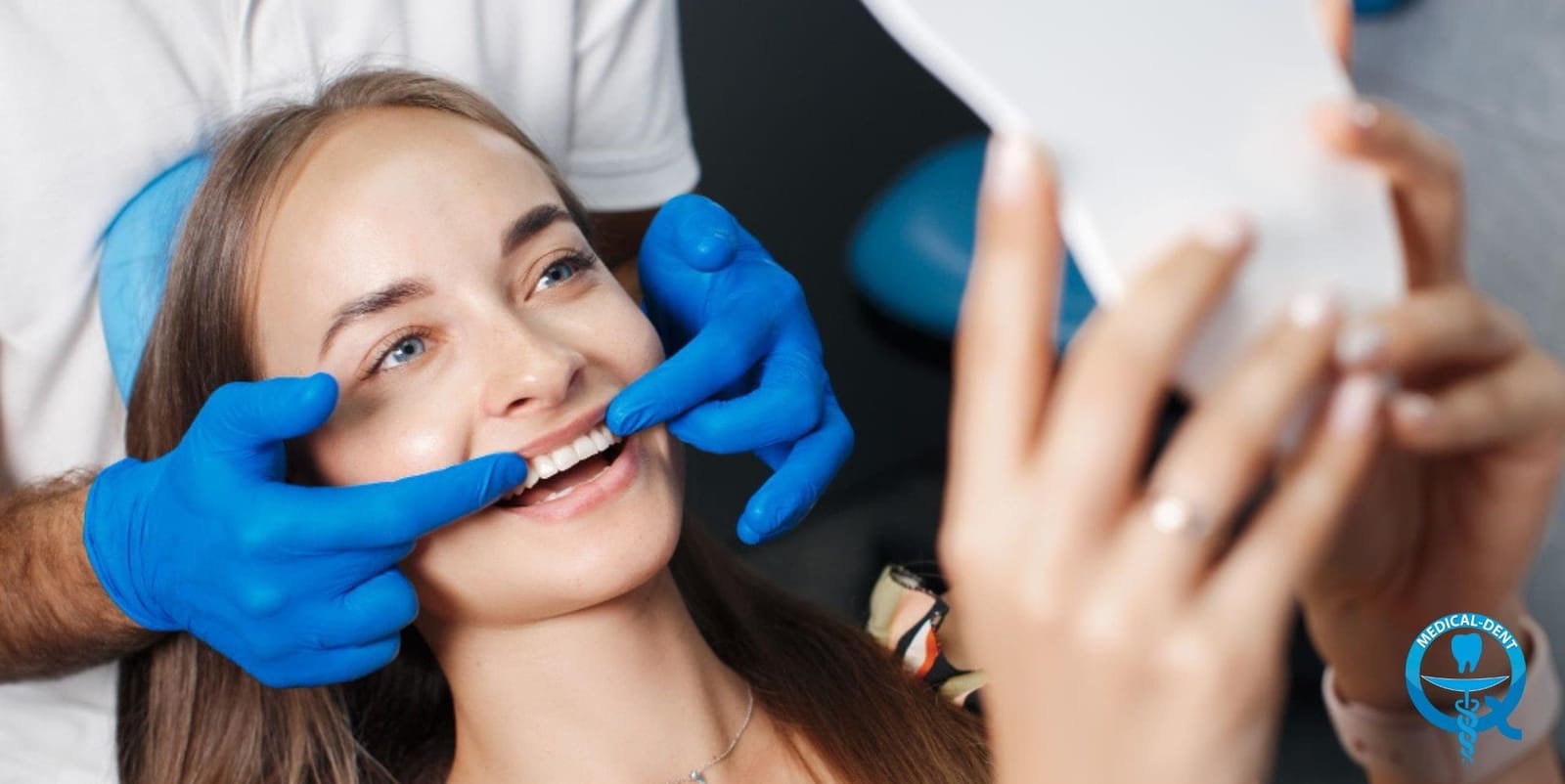
Discuss the product, how much gel to use, how long to wear the trays and what to do if sensitivity develops. Do not increase the dose or wearing time to try to speed up the result.
Your dentist may recommend a toothpaste or desensitising product and explain when to start it. There is no single two-week preparation schedule suitable for every person or whitening system. Ask which products can be used together rather than adding several rinses or whitening treatments yourself.
Home whitening prescribed and supervised by a dentist is a professional option. It should not be confused with buying an unassessed kit online.
If your teeth become sensitive
Pause whitening and contact your dental team if discomfort develops. They can advise whether the schedule, product or tray fit needs changing. A sensitivity toothpaste, such as one containing potassium nitrate or stannous fluoride, may help when used as directed. Avoid food or drink at temperatures that trigger pain while the teeth are sensitive.
Do not scrub harder or add abrasive whitening products to try to improve the result. Keep brushing gently with an appropriate fluoride toothpaste.
Mild sensitivity is often temporary, but do not wait a week before seeking advice about severe pain, pain in one tooth, swelling or symptoms that persist or worsen. These need assessment rather than an assumption that whitening explains them.
Choosing a whitening method
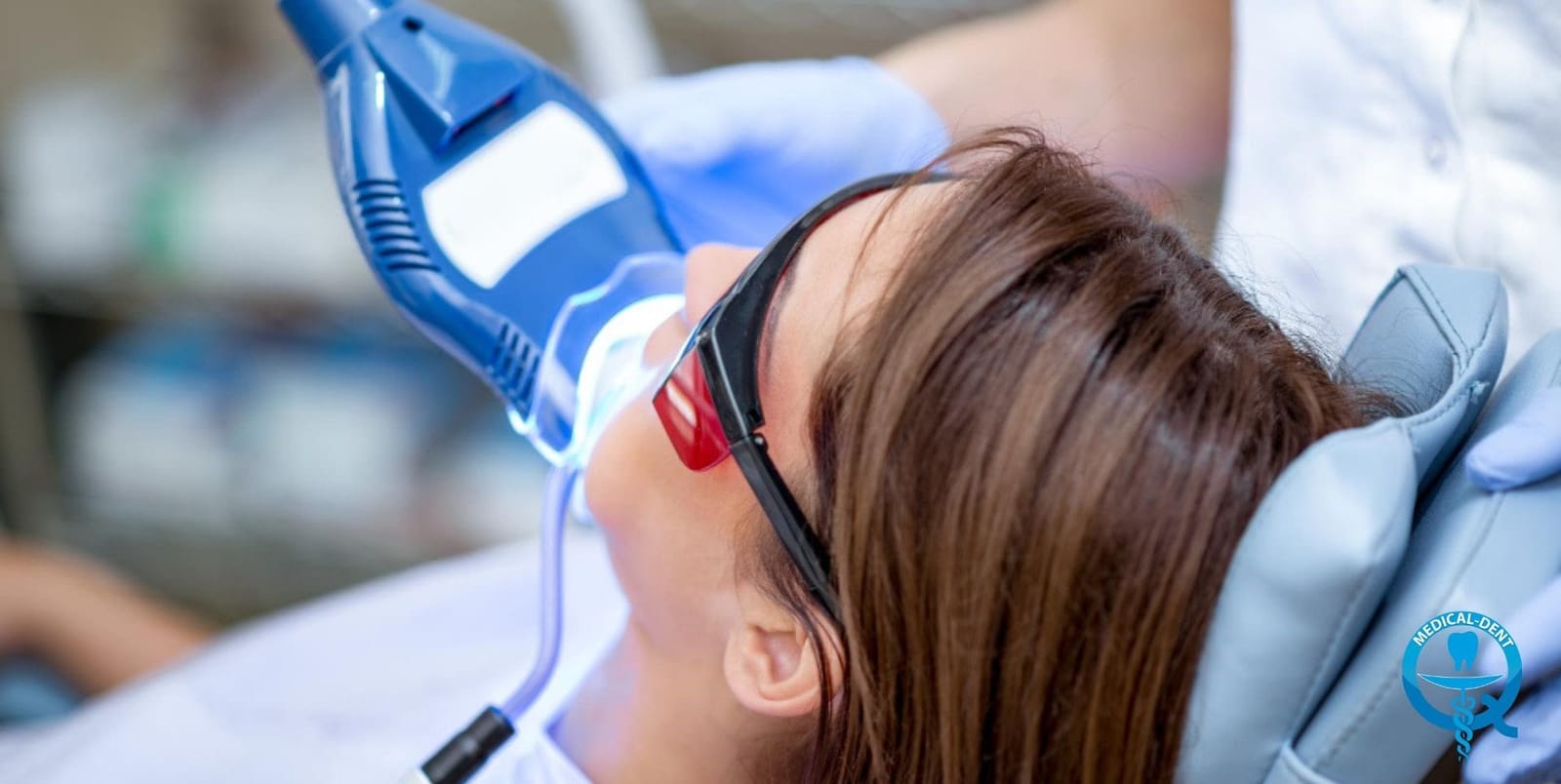
Dentist-provided home whitening uses fitted trays and prescribed gel. In-surgery whitening applies gel under professional supervision; some systems also use a light. A lamp alone does not tell you how suitable the treatment is or guarantee a particular result after one appointment.
The choice depends on your oral health, starting shade and preferences, as well as the treatment instructions. Whitening changes natural tooth colour and may need maintenance; it does not permanently prevent staining.
Enlighten is one option offered at our practice. Its manufacturer states that it guarantees Vita shade B1 and does not require a white diet. Ask your dentist how the guarantee and maintenance advice apply to you. This is not a promise that one course will keep the same shade for life or that you will have no sensitivity.

Planning costs and care
Ask for an estimate that explains the treatment and any planned maintenance. If you are considering instalments, read the current finance terms; eligibility and approval conditions apply.
Contact us to discuss sensitivity before choosing a whitening treatment.