Injuries to milk teeth: what parents should do
Originally published
A fall or knock can chip, loosen or move a milk tooth, as well as injure the lips and gums. The front teeth are often involved. Even when a child settles quickly, a dental assessment helps identify damage that is not obvious at first.
Never put a knocked-out milk tooth back into its socket. Doing so could damage the permanent tooth developing underneath. This advice is different from the emergency care for a knocked-out permanent tooth.
What to do straight away
Comfort your child and check for other injuries. If they are having difficulty breathing, are unconscious or are difficult to wake after the accident, call 999. Significant head or facial injuries need medical assessment as well as dental care.
For bleeding inside the mouth, hold clean gauze or a clean cloth gently against the area while supervising your child. Do not leave loose material in a young child’s mouth. Get urgent help if bleeding is heavy or will not stop.
Do not wiggle the tooth to test it or try to push a displaced milk tooth into position. Contact a dentist promptly; a knocked-out, pushed-in, displaced or very loose tooth needs urgent dental advice. NHS 111 can help if you cannot reach an emergency dentist.
If a tooth is missing, tell the dentist even if you cannot find it. A tooth may have been pushed into the gum, and missing fragments need to be accounted for. Do not assume it has simply fallen out.
What kinds of injury can happen?
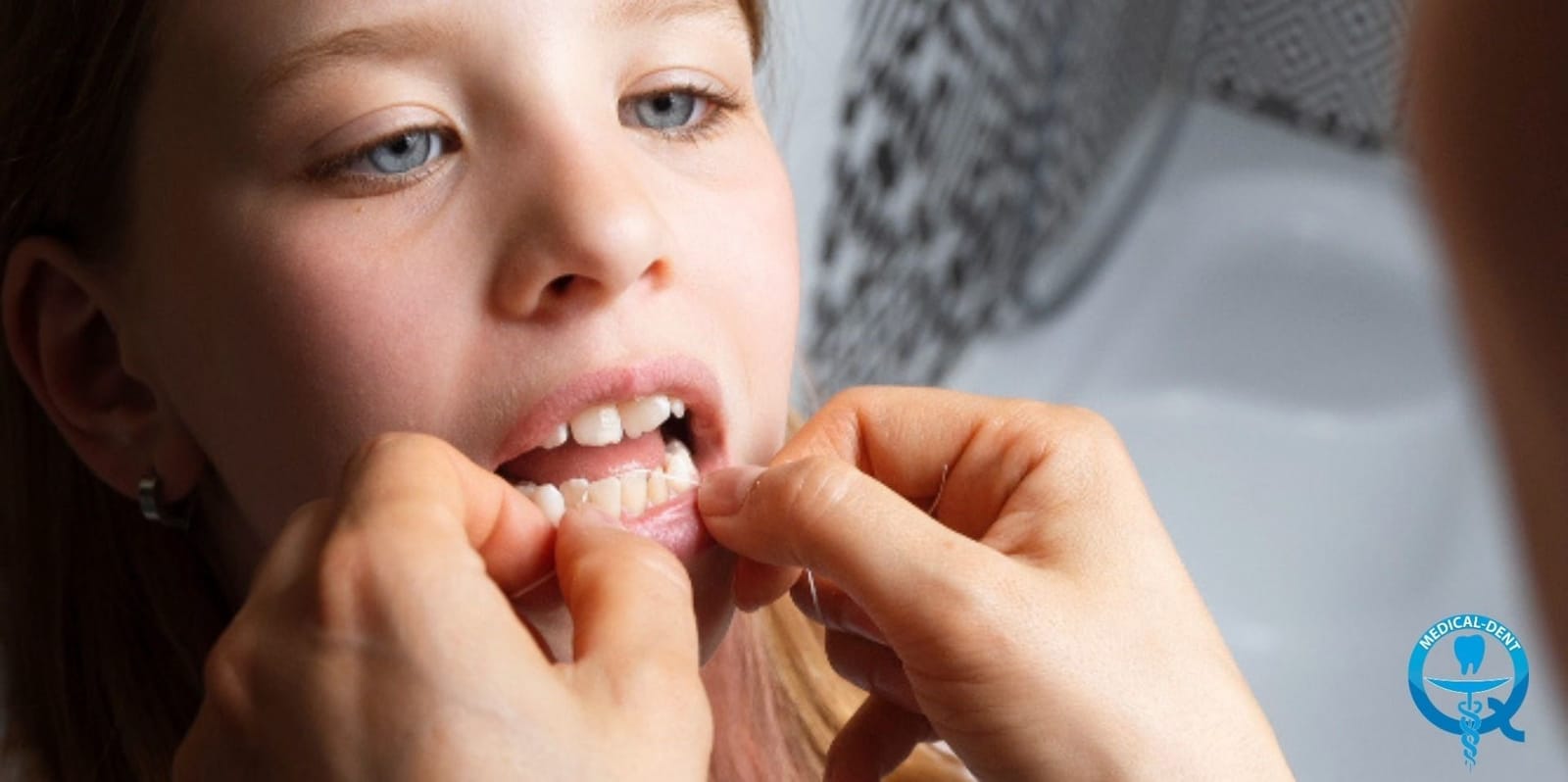
A crown fracture damages the part of the tooth visible above the gum. It may be a small chip or a deeper break exposing sensitive tissues. A tooth can also become tender or loose without looking broken.
Other injuries move a tooth sideways, push it further into the gum or partly out of its socket. Complete loss from the socket is called avulsion. Bruising and cuts to the lips, gums or tongue may happen at the same time.
If you are unsure whether the injured tooth is a milk tooth or a permanent tooth, seek immediate dental advice. Permanent teeth require different treatment, and a knocked-out permanent tooth is time-critical.
What will the dentist do?
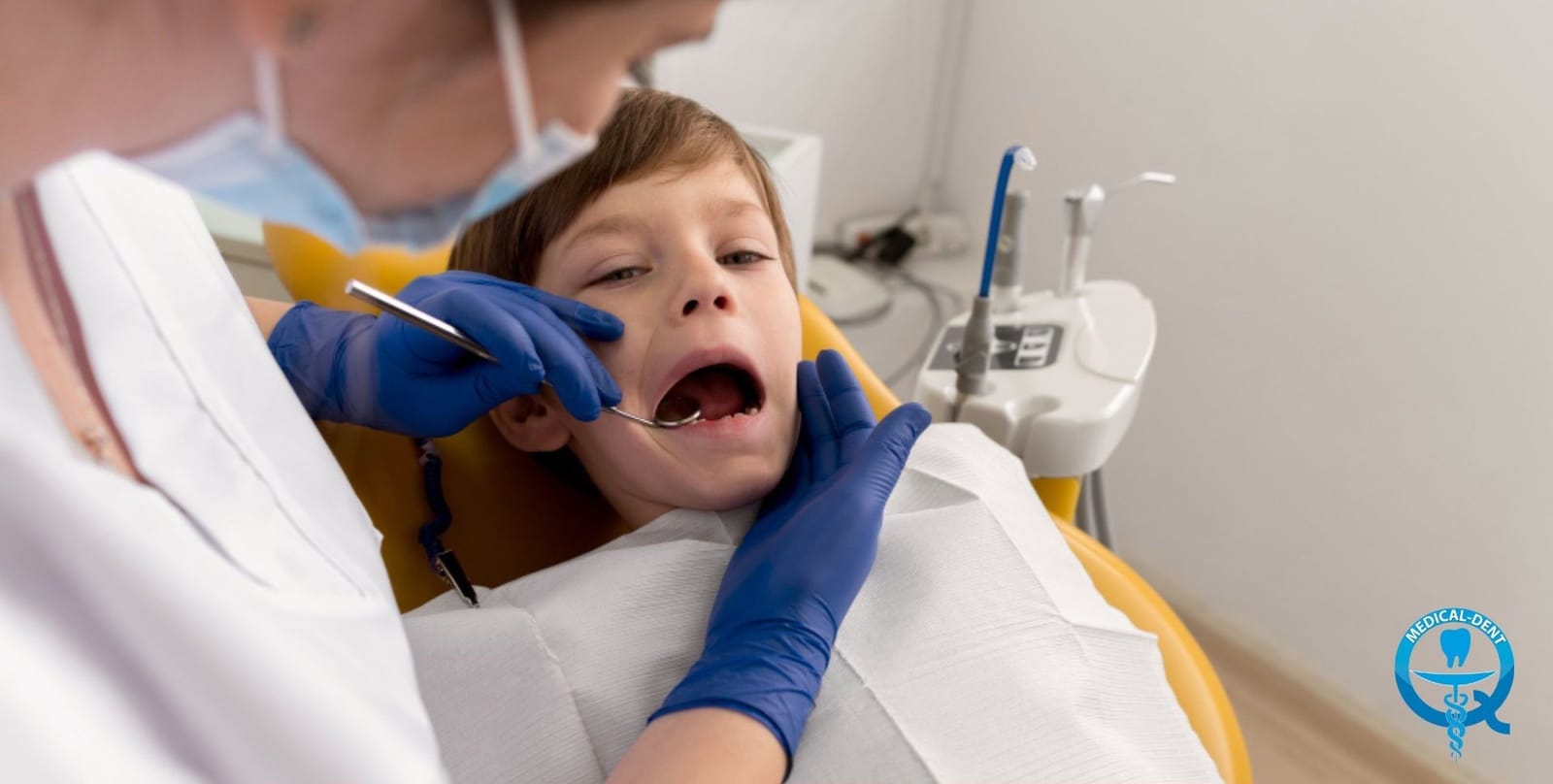
The dentist checks the tooth, the bite and surrounding tissues, and takes X-rays if needed. Treatment depends on the injury, the child’s age and the risk to the developing permanent tooth.
A small chip may be smoothed or repaired. Some injuries are monitored as they heal; others need treatment or removal of the tooth. Deep cuts may also need care. Extraction is sometimes the safest option and does not mean every effort has failed. A completely knocked-out milk tooth is not replanted.
Care and follow-up
Follow the dentist’s advice about food, cleaning and pain relief. Softer foods may be easier for a short time, and gentle cleaning with a soft toothbrush helps keep the area clean. Use medicines only as advised for your child’s age and health.
Attend the recommended follow-up appointments. A tooth may change colour after an injury; this should be checked but does not automatically mean it needs extracting. Contact the dentist if pain increases, swelling or a gum spot appears, the tooth becomes more mobile, or your child develops fever or feels unwell.
Some injuries can affect the development or eruption of the permanent tooth, so keep a record of what happened. Losing a milk tooth does not automatically mean it needs replacing; the dentist can assess whether any monitoring or space management is needed.
For everyday care, see our guide to children’s teeth.