Dental implants: how they work, benefits and costs
Originally published
A dental implant replaces the root of a missing tooth and supports a crown, bridge or denture. It can be a useful option, but it involves surgery and ongoing care. It is not automatically the best choice for every gap.
An assessment should cover the health of your mouth, what you want to achieve and alternatives such as a bridge or removable denture. In some cases, leaving and monitoring a space may also be reasonable.
What does an implant look like?
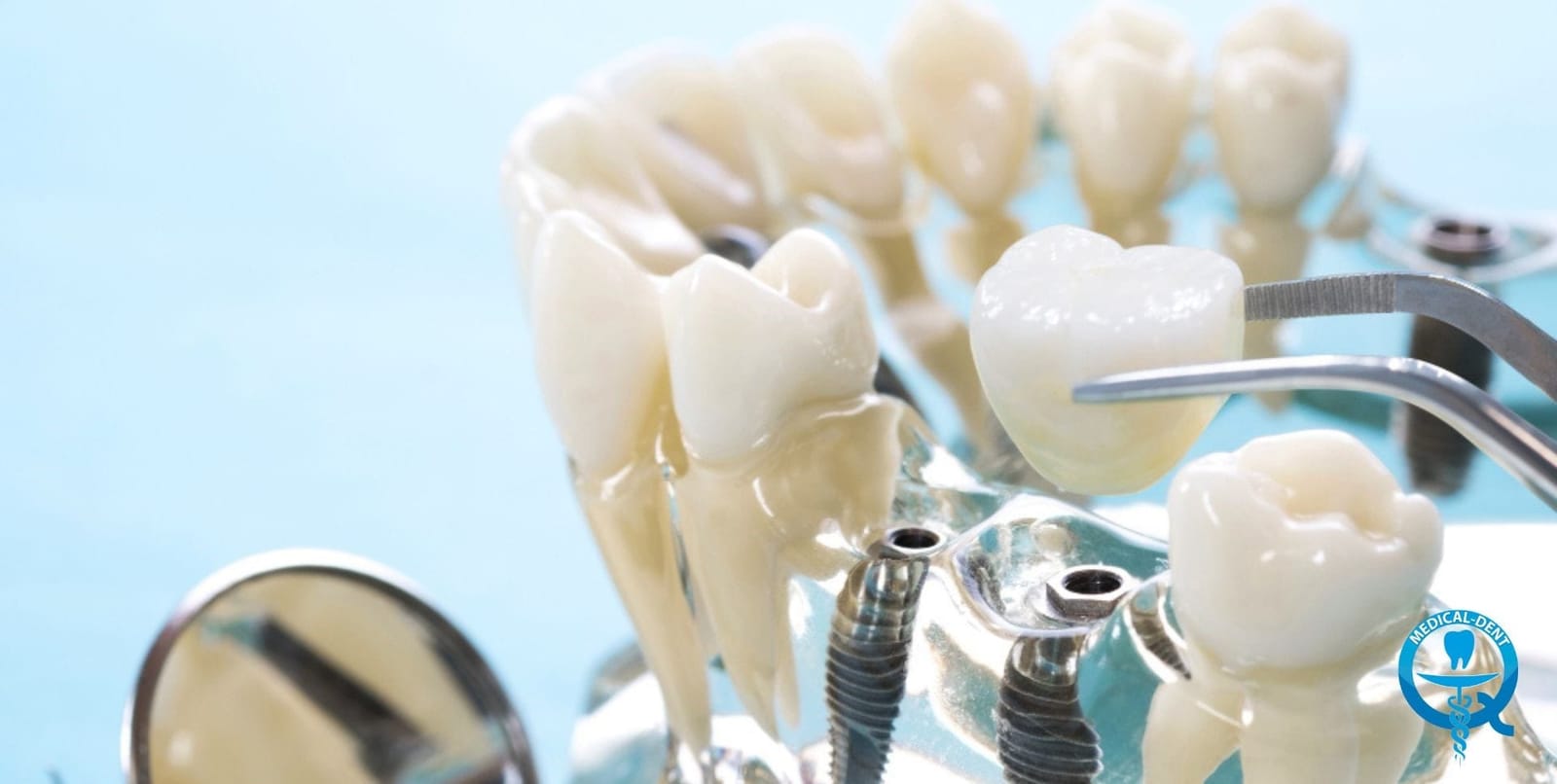
The implant itself is usually a small screw made from titanium or a titanium alloy, placed in the jawbone. Ceramic implant systems also exist; the choice depends on the clinical plan and the system being used.
The visible replacement tooth is a separate restoration. For a single tooth, a connecting component called an abutment links the implant to the crown. Several implants may support a bridge or help hold a removable denture securely. An “implant” price therefore should not be assumed to mean a complete replacement tooth.

Benefits and limitations
An implant-supported crown does not rely on cutting down neighbouring teeth for support. Implant treatment may improve chewing, appearance or denture stability, depending on the problem being treated. The final result depends on the available bone and gum tissue, the position of the implant and the restoration.
There are also risks, including pain, swelling, infection, failure to bond with the bone and damage to nearby structures. The clinician should explain the risks relevant to the proposed site and your health. Neither a natural appearance nor lifetime service can be guaranteed.
Who can have implant treatment?
The dentist will examine your teeth and gums, review your health and medicines and arrange appropriate imaging. Jaw growth should normally be complete before implants are considered. Gum disease and other oral health problems may need treatment first.
Conditions such as diabetes, bleeding disorders or osteoporosis require an individual assessment; a diagnosis alone does not determine suitability. Some medicines and previous treatments can affect healing or the risks of surgery. Tell the clinician about them, but do not stop prescribed treatment yourself.
Smoking increases the risk of problems. If there is insufficient bone, grafting may sometimes be an option, adding treatment, healing time and cost. It does not make every case suitable.
What happens during treatment?
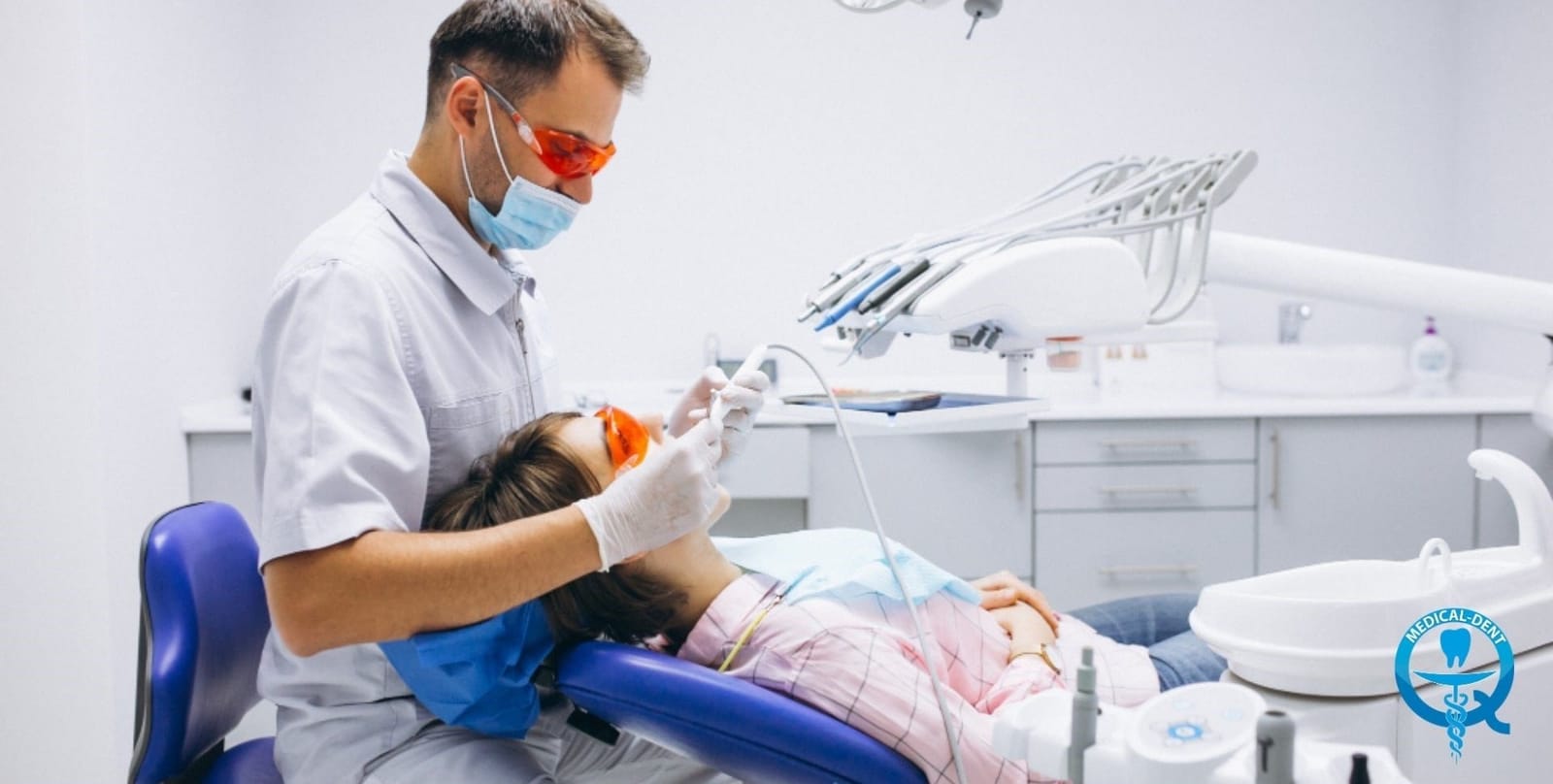
Implant placement is commonly carried out under local anaesthetic. The surgeon prepares the site in the jawbone and places the implant. Depending on the plan, a healing component may remain visible above the gum, or the implant may be covered while it heals and exposed later.
Bone healing and integration usually take months. The timing of a temporary or final tooth varies: immediate placement or an immediate fixed tooth is only appropriate in selected circumstances. Ask what you will wear during healing and how many stages are expected.
Follow the team’s instructions on cleaning, eating and recovery, and attend the planned reviews. Contact them if pain or swelling is worsening, bleeding persists or a component feels loose.
Implants still need maintenance
Implants cannot develop tooth decay, but the tissues around them can become inflamed and lose bone. This condition, called peri-implantitis, can threaten the implant. Crowns, bridges and attachments can also wear, chip or need repair.
Clean around the restoration as demonstrated, including between teeth and around the implant, and attend regular reviews. Report bleeding, swelling or looseness rather than waiting for pain. Good care helps reduce risks but cannot guarantee that no further treatment will be needed.
Understanding the full cost
See our implant fees and request a written plan covering all stages. The abutment is not included in the listed implant or crown price. Your estimate should clarify the connecting component, crown or other restoration, imaging, any grafting, temporary teeth and follow-up arrangements.
If you are considering instalments, use the current finance information to check eligibility, terms and the total repayable. Do not assume that all plans begin with an interest-free period. Contact us to discuss an assessment and the options for your missing tooth.