
Gingivitis: bleeding gums, causes and treatment
Originally published
Bleeding when you brush or clean between your teeth is a reason to have your gums checked. Gingivitis means inflammation of the gums, often caused by plaque collecting around the teeth. It can usually be reversed with effective cleaning and appropriate dental care.
Gingivitis is different from periodontitis, which involves damage to the tissues and bone supporting the teeth. Not every case of gingivitis progresses to periodontitis, but persistent inflammation should not be ignored.
Why do gums become inflamed?
Plaque is a film containing bacteria that builds up on teeth. When it remains near the gum line, it can trigger inflammation. Plaque can harden into tartar, which needs professional removal and can make cleaning more difficult.
Gum problems are not a reason to blame yourself or your child. Cleaning technique matters, but health conditions, medicines, smoking and hormonal changes can also affect the gums. Tell the dentist about your health and medicines, particularly if you are pregnant or have diabetes.
Children can have gingivitis too. If your child’s gums bleed or look sore, arrange a dental appointment and ask for help with brushing.
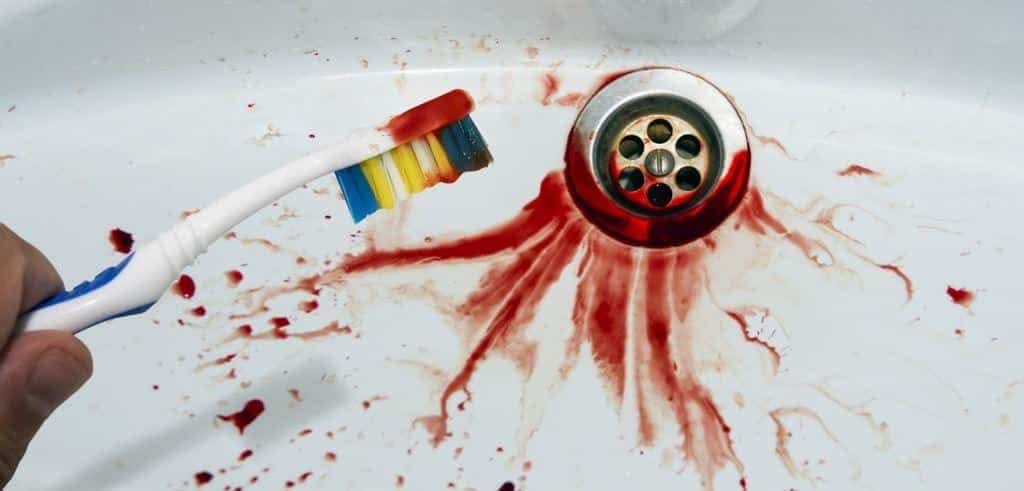
Symptoms to have checked
Gums may look swollen or red, feel tender, or bleed during cleaning. Bad breath or an unpleasant taste may accompany the inflammation. Gum disease can also be relatively painless, so pain is not a reliable measure of its severity.
Receding gums, loose teeth or spaces developing between teeth need assessment for problems beyond simple gingivitis. You cannot diagnose the stage of gum disease by appearance alone.
Book a dental appointment for recurring bleeding, soreness or swelling. Seek an urgent dental appointment for very painful, swollen gums or a newly loose adult tooth. If urgent dental care is unavailable, NHS 111 can advise you.

What helps?
The dentist examines your gums and checks for plaque, tartar and signs of deeper disease. Professional cleaning removes deposits you cannot remove at home. The treatment needed varies: scaling, stain removal, polishing and fluoride application are not an automatic four-part prescription for every case of gingivitis.
Daily cleaning is central to recovery. Brush gently and thoroughly with fluoride toothpaste twice a day for about two minutes, including before bed. Spit out the toothpaste rather than rinsing it away. Clean between your teeth each day with appropriately sized interdental brushes or floss, as your team demonstrates.
Do not stop cleaning just because your gums bleed, but avoid scrubbing or forcing a brush or floss into a space. Ask for a demonstration if cleaning hurts or you are unsure how to do it. Reviews and professional cleaning should be scheduled according to your needs, rather than a universal six-month rule.
Are medicines or home remedies needed?
Antibiotics are not routine treatment for ordinary plaque-related gingivitis. A dentist may recommend a short course of an antiseptic product or other treatment for a specific diagnosis. Follow their instructions; mouthwash does not replace brushing and cleaning between teeth.
Herbal rinses and rubbing aloe vera onto the gums do not remove tartar or replace assessment. Avoid relying on them while symptoms persist. With a clear diagnosis and a cleaning routine you can maintain, the team can help you monitor whether the gums are improving.
Contact the practice to arrange a check, or read about periodontitis and its treatment.