
Periodontitis: symptoms, treatment and ongoing care
Originally published
Periodontitis is a form of gum disease that damages the tissues and bone supporting the teeth. It can lead to loose teeth and tooth loss. Treatment aims to control the disease and preserve teeth where possible, but it does not simply restore all support that has already been lost.
Bleeding gums, persistent bad breath or teeth that seem longer are reasons to arrange a dental assessment. These symptoms do not prove you have periodontitis, and the disease can develop without much pain.
What does the dentist look for?
Your gums may be swollen, recede around the teeth or bleed during cleaning. Teeth can become sensitive, move position or feel loose. The dentist checks the gum pockets around the teeth and may take X-rays to assess bone support.
Plaque bacteria are central to gum disease. Smoking, diabetes and individual susceptibility can affect its development and response to treatment. Family history can be relevant, but periodontitis is not an inevitable inherited condition.
Seek an urgent dental appointment for very sore, swollen gums or a newly loose adult tooth. NHS 111 can help if you cannot access urgent dental care.

Daily care is part of treatment
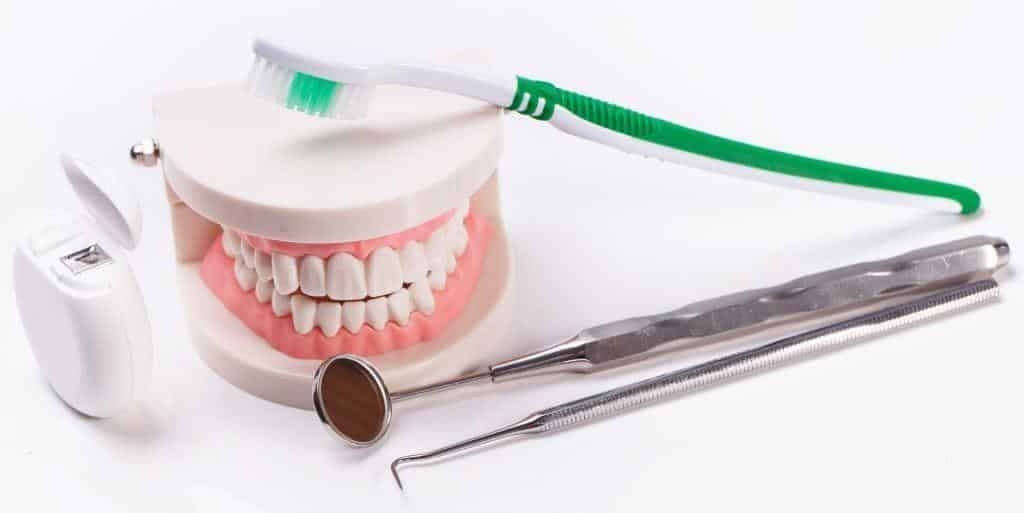
Brush with fluoride toothpaste twice a day for about two minutes, including before bed, then spit without rinsing. Clean between teeth every day. Your team can help you choose interdental brushes or floss that fit the spaces and show you how to use them without injury.
More frequent or harder brushing is not a substitute for good technique. Mouthwash may be recommended for a specific purpose, but it cannot remove deposits beneath the gums or replace daily cleaning. Use it at a different time from brushing so that you do not wash away the fluoride left by your toothpaste.
How is periodontitis treated?
Treatment begins with assessment, advice on cleaning and management of relevant risks, such as smoking. The team removes plaque and tartar above and, where needed, below the gum line. Deeper cleaning may need local anaesthetic and more than one appointment.
The response is checked afterwards. Some areas may need further treatment, and advanced cases may need specialist assessment or surgery. A tooth with a poor outlook may sometimes need removal, but extraction is not automatic for every affected tooth.
As swelling reduces, the gums may look lower and teeth can become temporarily more sensitive. Discuss these possibilities and pain control before treatment. Ongoing professional care and home cleaning help maintain the result; periodontitis needs long-term management rather than a one-off cure.
Treatment costs at our practice
The listed scale, airflow and fluoride varnish service is £170. It is not a complete course of periodontal treatment and may not provide all the care you need.
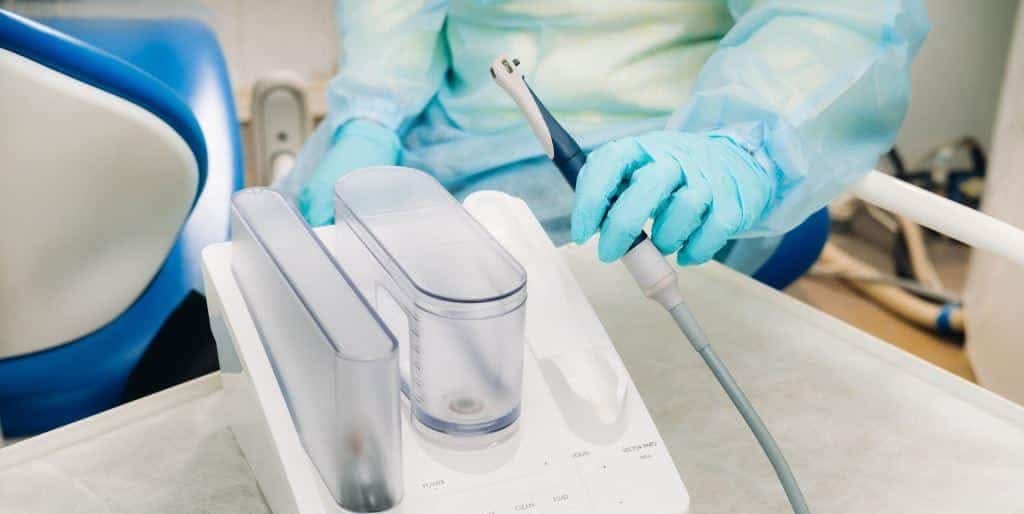
Our listed periodontal treatment using Vector Paro or a scaler is £250 for one arch or £350 for two arches. Ask which appointments and procedures your individual plan includes; these prices are not a guarantee that all future maintenance is covered.
Vector uses ultrasound as part of cleaning. We do not promise that treatment will be completely painless. Your clinician will discuss comfort and give aftercare instructions suited to the treatment, including advice about eating if local anaesthetic has been used.
Check the dental fees page and ask for a written estimate. Review intervals depend on your gum health and response to treatment, rather than a fixed timetable for everyone. Contact the practice if you have symptoms or need help keeping your gums stable.