
Gaps between teeth: causes and treatment options
Originally published
A gap between teeth is often called a diastema, particularly when it is between the upper front teeth. Some people like the appearance of their gap; others want to change it. A healthy, stable gap does not automatically need treatment.
Why do gaps develop?
Spacing can reflect the size of the teeth in relation to the jaw, missing or extra teeth, or the attachment of the fold of tissue joining the upper lip to the gum. In children, gaps may change as more permanent teeth come through. An examination helps distinguish normal development from a problem needing treatment.
The Victorian Government’s Better Health Channel explains common causes of gaps. The cause matters more than applying a single measurement to every patient.

When should a dentist check it?
Book an appointment if a gap is new or widening, particularly if you also notice bleeding gums or loose teeth. Gum disease can affect the support around teeth, so the cause should be assessed before any cosmetic treatment. See our guide to bleeding gums for advice on when a visit is urgent.
If you have difficulty speaking or biting, mention this at the assessment. Closing a gap should not be presented as a guaranteed solution to either problem. The dentist can explain whether the spacing is relevant and whether another assessment would help.
Ways to change a gap
Orthodontic treatment moves teeth and may involve fixed braces or clear aligners, depending on the case. Adults are not restricted to fixed braces. Retainers are important afterwards because teeth can move again. Our guide to adult braces explains the commitment involved.
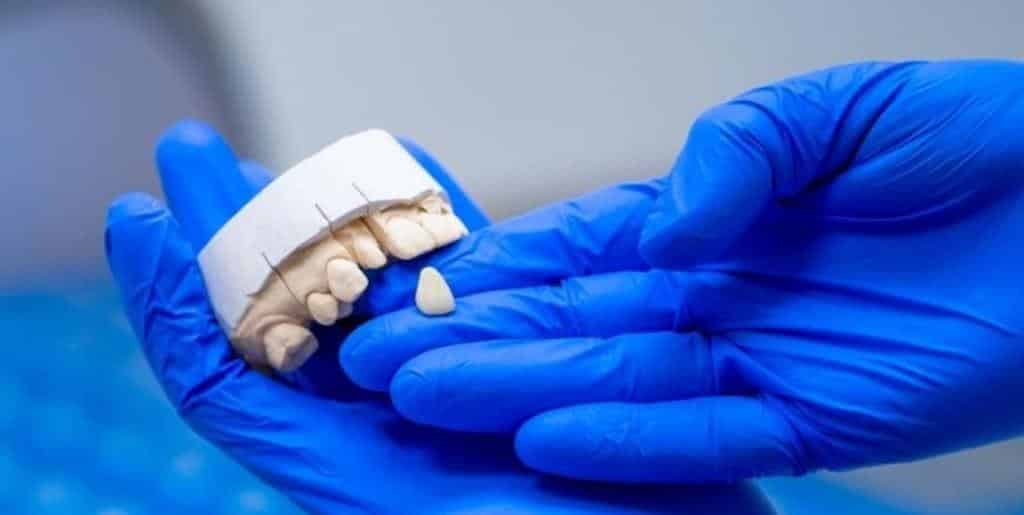
Composite bonding adds tooth-coloured material to change the shape of teeth and may suit a small gap. Veneers cover the front surfaces of teeth and can also change their shape and colour. These approaches change the size or shape of the visible teeth rather than moving their roots.
Veneers may involve removing enamel, which cannot grow back. Bonding and veneers can chip or need repair or replacement. Ask how much preparation is proposed and whether a less invasive option would meet your aims. The Oral Health Foundation’s veneer guide explains the procedure and maintenance.
Surgery to the lip attachment is considered only when assessment shows a reason for it. It is not required for every gap; its role and timing should be agreed as part of the treatment plan.
Choosing a plan
Ask what happens if you leave the gap, what each option changes and what future maintenance might cost. You can contact Medical Dent for an assessment. If you are considering payment by instalments, check the current finance terms and eligibility.