Fluoride treatment in the UK: who may benefit?
Originally published
Fluoride helps protect teeth against decay. For most people, the daily starting point is brushing with fluoride toothpaste. Some children and adults also benefit from fluoride applied by a dental professional or a prescribed toothpaste.
The choice depends on your risk of decay, age and health. Extra fluoride is not a replacement for cleaning your teeth or treating an existing dental problem.
How does fluoride help?
Acids produced by plaque bacteria after you have sugar can draw minerals out of the tooth surface. Fluoride supports the repair of early mineral loss and helps the surface resist further acid attacks. It cannot rebuild a missing piece of tooth or fill a cavity.
Fluoride does not remove tartar, whiten teeth or create a permanent barrier against plaque. If you have deposits or staining, ask the dental team what is causing them and whether cleaning or another treatment is appropriate.
The compounds used in dental products contain fluoride; they are not the same as elemental fluorine. You do not need to diagnose a dietary “fluoride deficiency” or start supplements to protect your teeth.
Who might need additional treatment?
Children are commonly offered fluoride varnish as part of prevention. Adults with a higher risk of decay may benefit too, for example when a dry mouth or previous decay makes everyday prevention more difficult.
Your dentist may consider varnish, a prescribed higher-fluoride toothpaste or another suitable product. Prescription-strength toothpaste is not appropriate for every age and should only be used as directed. Do not share it with a child or another family member.
Braces can make cleaning more difficult, but they do not automatically mean that everyone needs the same fluoride treatment. Tooth sensitivity also has several causes; persistent or new symptoms need assessment rather than an assumption that varnish will solve them.
What does an application involve?
With varnish, the dental professional paints a small amount onto the teeth after checking that it is suitable. It is usually a short procedure. Other fluoride products have different methods of use, and the team should explain which one they recommend and why.
Tell them about allergies, previous reactions to dental products or sticking plasters, severe asthma and current mouth sores. Some varnishes contain ingredients that are unsuitable for particular patients. The team can assess alternatives where needed.

Safe use at home
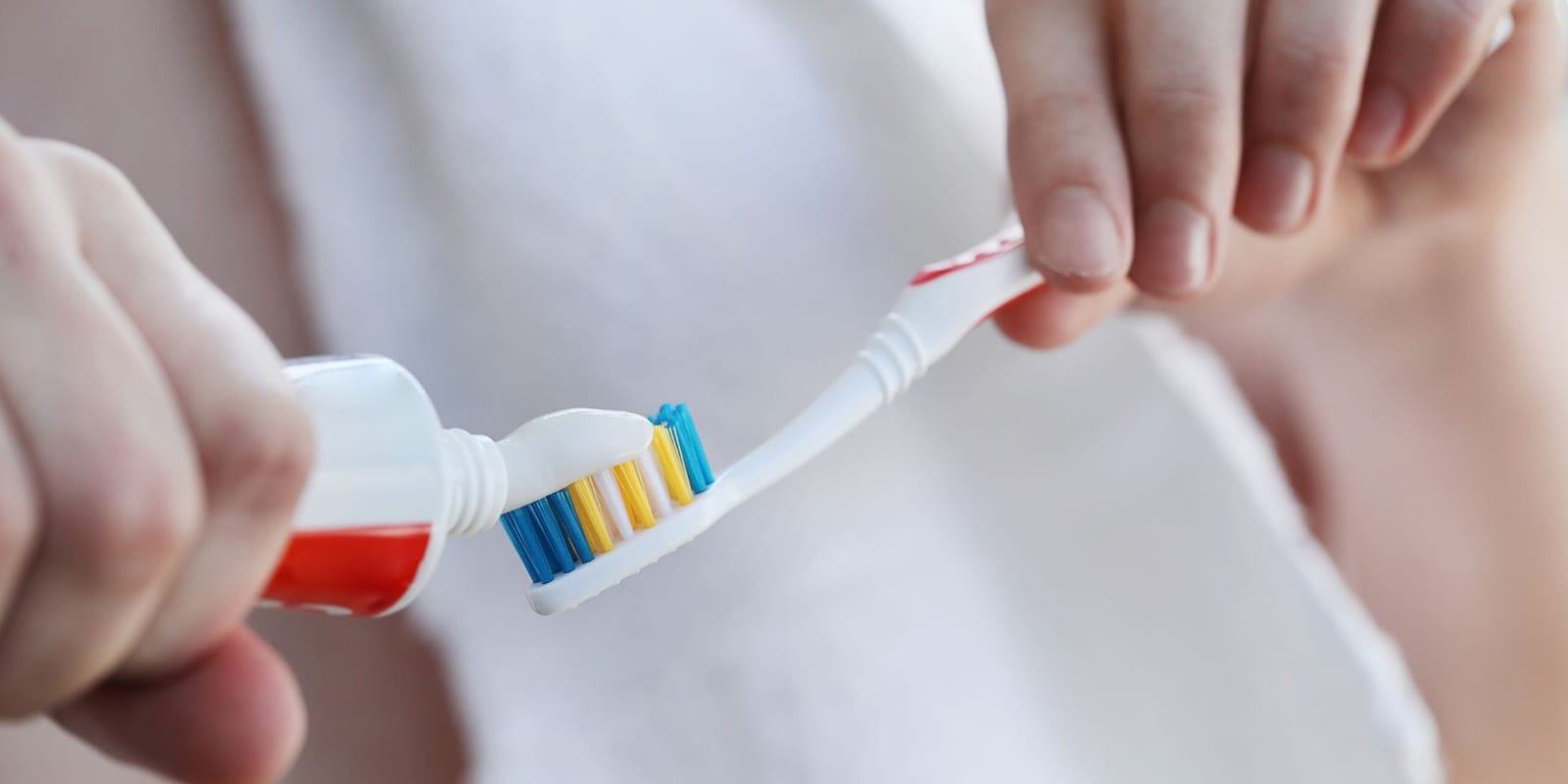
Use the amount and strength of toothpaste recommended for your age and circumstances. Spit out excess paste after brushing. Children need supervision so that they do not eat toothpaste or use more than intended.
Fluoride products are safe when used appropriately, but swallowing excessive amounts can be harmful. Regularly swallowing too much fluoride while teeth are forming can also cause fluorosis, which changes the appearance of enamel. This is a reason to use products correctly, not to stop recommended fluoride toothpaste.
For a child’s routine, see our guide to caring for children’s teeth. Ask the dental team before adding rinses or supplements, particularly for a young child.
A prevention plan you can follow
After professional treatment, follow the product-specific advice about food, drink and brushing. Continue twice-daily brushing and cleaning between teeth, and reduce the frequency of sugary snacks and drinks. Your dentist will recommend review intervals based on your needs; six months is not a rule for everyone.

Contact the practice if you would like to review your prevention routine. The UK fluoride guidance explains how dental teams choose additional fluoride care.