Impacted teeth: do they always need removal?
Originally published
An impacted tooth has not come through into its expected position because its eruption is obstructed or it is positioned abnormally. It may remain beneath the gum and bone or be partly visible. Wisdom teeth are often affected, but canines and other teeth can also be impacted.
Some cause no symptoms. Jaw pain or a feeling of pressure can have other explanations, so these symptoms alone do not establish the diagnosis.
Why a tooth may not come through
There may be too little space, an unusual eruption path or another tooth in the way. A retained milk tooth can be associated with the problem, but removing it does not guarantee that the permanent tooth will erupt. Less commonly, another obstruction needs investigation.
A missing tooth in the dental arch may also have other causes. The dentist checks the pattern of development and previous treatment rather than assuming the tooth is impacted. Vitamin supplements are not a treatment for a tooth blocked from erupting.
How it is assessed
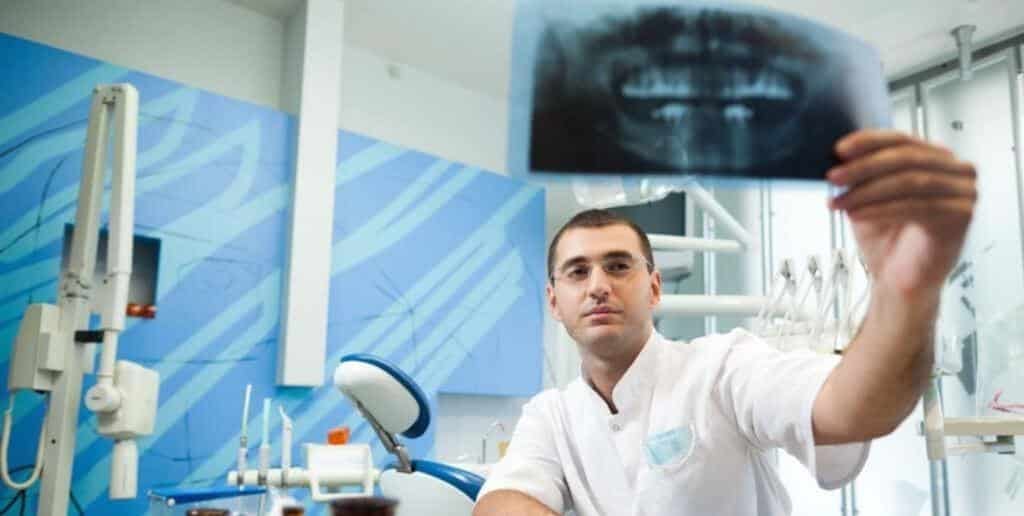
The dentist examines your mouth and asks about symptoms. X-rays may show the tooth’s position, nearby roots and other structures. A three-dimensional scan is sometimes useful for planning, but is not automatic for every patient.
A partly erupted tooth can trap food and be difficult to clean. Possible problems include repeated inflammation around the gum, decay, damage to nearby teeth or, less commonly, a cyst. An impacted canine can damage an adjacent root without causing obvious pain.
Seek urgent dental advice for increasing pain, swelling, fever or a suspected abscess. If you cannot reach a dentist, contact NHS 111. Call 999 or go to A&E for difficulty breathing, speaking or swallowing, a swollen or painful eye, or extensive swelling in the mouth.
Monitoring, moving or removing the tooth
The choice depends on the tooth, its position, any disease and the risks of treatment. A wisdom tooth that is healthy and causing no problems may be left in place and monitored. Being impacted is not, by itself, a reason to remove it. Removal should not be presented as a routine way to prevent other teeth becoming crowded.
Repeated infection, decay that cannot be treated, damage to neighbouring structures or other disease may make removal appropriate. The dentist should explain the findings and alternatives before you decide.
For an impacted canine, an orthodontist may be able to create space and guide it into the arch after surgical exposure. This is a planned course of treatment, not simply pulling the tooth down once. It is not suitable or successful in every case. Read about exposure before orthodontic treatment.
If removal is recommended
Local anaesthetic is commonly used. Some patients need sedation or treatment under general anaesthetic in an appropriate setting; the team will explain the options and any referral required. This does not mean every option is provided at our practice.
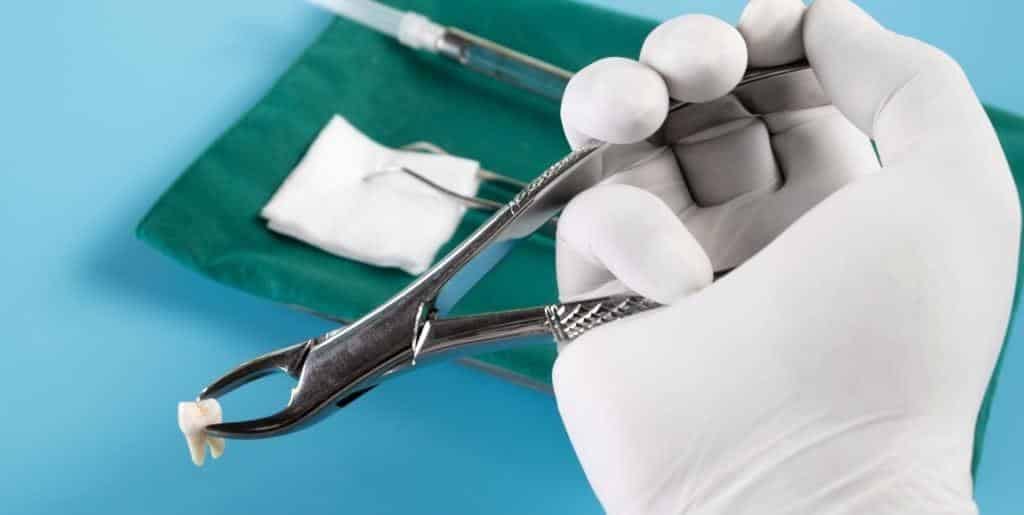
Depending on the position, the surgeon may lift the gum, remove some bone or divide the tooth into smaller pieces. Stitches may be needed. Recovery and risks vary, including pain, swelling, infection and, for some teeth, injury to a nearby nerve. Your surgeon should discuss your individual risks and give aftercare instructions.

Fees and the treatment plan
The listed fee for surgical removal of an impacted tooth is from £250, including placement and removal of stitches where required. The final estimate depends on the assessment and complexity. Ask which investigations and follow-up appointments are included; orthodontic exposure and alignment are a different treatment plan.
See our oral surgery fees or contact us. If you are considering instalments, use the current finance information rather than an old repayment example. Finance is subject to eligibility and affordability checks.