Surgical exposure of an impacted tooth for orthodontic treatment
Originally published
Sometimes a permanent tooth does not come through into its expected position. It may be blocked or developing in the wrong direction beneath the gum or bone. This is called an impacted tooth. Orthodontic treatment involving an impacted tooth often concerns an upper canine.
Surgical exposure can make the tooth accessible so it can be guided into the mouth, but not every unerupted tooth needs surgery. The orthodontist and surgeon should assess the position, available space and likely benefit before making a plan.
Why assessment matters
An impacted tooth may affect neighbouring roots, and its position can make moving it more difficult. Examination and suitable X-rays help establish where it is and whether bringing it into the arch is realistic. A three-dimensional scan is considered when it is needed for planning, rather than automatically for everyone.
Depending on the findings, options may include observation, creating space, removing an obstruction or extracting a tooth. The team should explain the alternatives and their risks. Exposure is not a guarantee that the tooth will move successfully.
How exposure fits into braces treatment
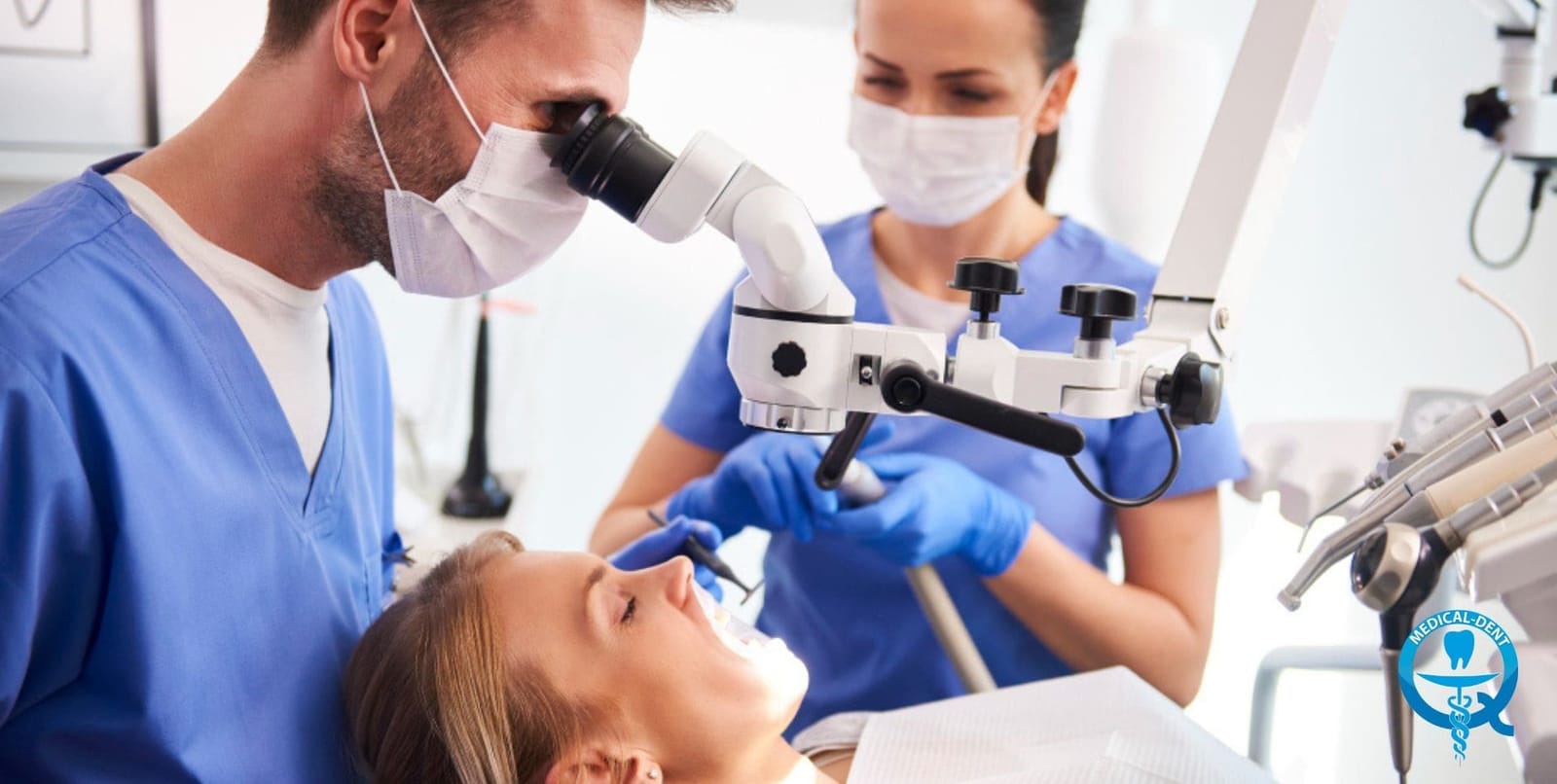
Braces may already be in place before surgery to create space and provide an attachment for moving the tooth. The procedure is therefore part of a coordinated orthodontic plan, not always a step completed before any braces are fitted.
The surgeon moves or removes the gum covering the tooth and, if needed, removes some overlying bone. With an open exposure, the tooth is left accessible; a dressing or plate may help keep the area open. In another approach, a small bracket and chain are attached to the tooth and the gum is closed over it. The orthodontist later uses the attachment to apply a controlled pulling force.
The choice of technique depends on the tooth’s position and treatment plan. Not every exposure uses a chain. Local anaesthetic, sedation or general anaesthetic may be considered according to the procedure and the patient’s needs. Ask what is planned and follow the specific preparation and escort instructions you receive.
Recovery and ongoing tooth movement
Some soreness and swelling can occur after surgery. Follow the team’s advice about suitable pain relief, food, cleaning and any dressing or plate. Do not pull on a chain or try to reattach a loose bracket yourself. Contact the team if an attachment or dressing comes loose.
Early gum healing and moving the tooth are separate stages. Tooth movement usually takes months and may take longer depending on its position and response. A tooth fused to the surrounding bone may not move as intended, and the plan may need to change. Review appointments help the team assess progress.
Contact the surgical team or an urgent dentist if bleeding will not stop, pain or swelling is worsening, or you develop a fever. If you cannot reach the team, use NHS 111. Difficulty breathing or swallowing, or rapidly increasing swelling affecting the airway, requires emergency help through 999 or A&E.

How much does surgical exposure cost?
Our listed fee for surgical exposure of an unerupted tooth for orthodontics is from £220. This is a starting fee for the procedure, not the price of the whole orthodontic course.
Check the oral surgery fees and orthodontic fees and ask for an estimate covering the planned stages. Imaging, anaesthetic arrangements, braces and follow-up should be explained before you decide.
Contact the practice to discuss an assessment or a treatment plan already proposed. The Gloucestershire Hospitals patient guide describes several ways an impacted canine may be exposed.