Dental implants: materials, options and prices
Originally published
Choosing dental implants involves more than choosing a material. You need to know what will replace the missing teeth, how it will be supported and what the complete treatment will cost.
Implants can support a single crown, a bridge or a denture. They are one option for replacing missing teeth, alongside conventional bridges and removable dentures. Your dentist can explain the benefits and limitations of each suitable option.
The implant and the visible tooth are different parts
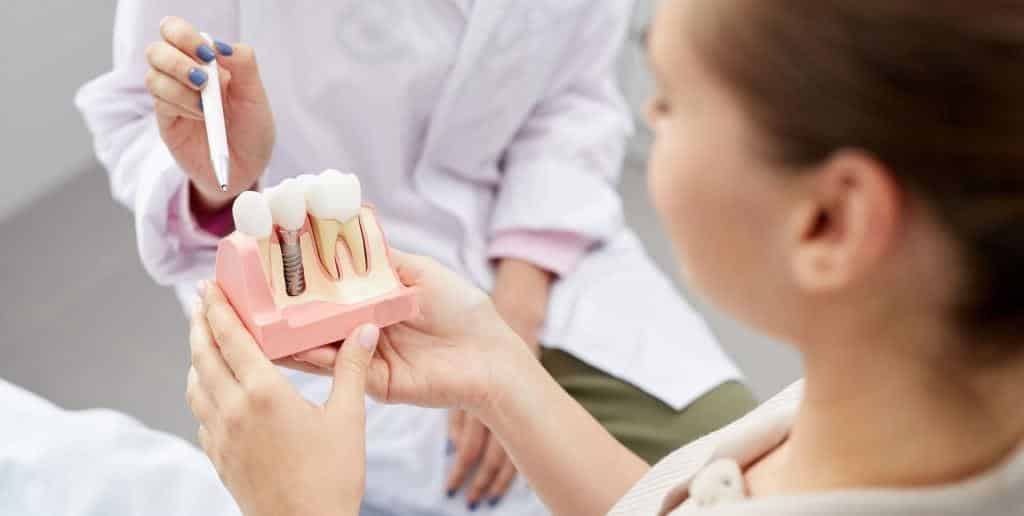
The implant is placed in the jawbone and acts as a replacement root. An abutment connects it to the restoration above the gum. The visible part may be a crown for one missing tooth or a larger restoration replacing several teeth.
You do not necessarily need an implant for every missing tooth. However, this does not mean that one implant can routinely carry several crowns. The number and position of implants must suit the proposed restoration, bite and available bone.
Implants are commonly made from titanium or titanium alloys. Ceramic implants made from zirconia, or zirconium oxide, also exist. Zirconia is not the same as zirconium metal. Its light colour may be a consideration, but colour alone does not establish which implant is suitable or likely to perform best.
What are implant crowns made from?
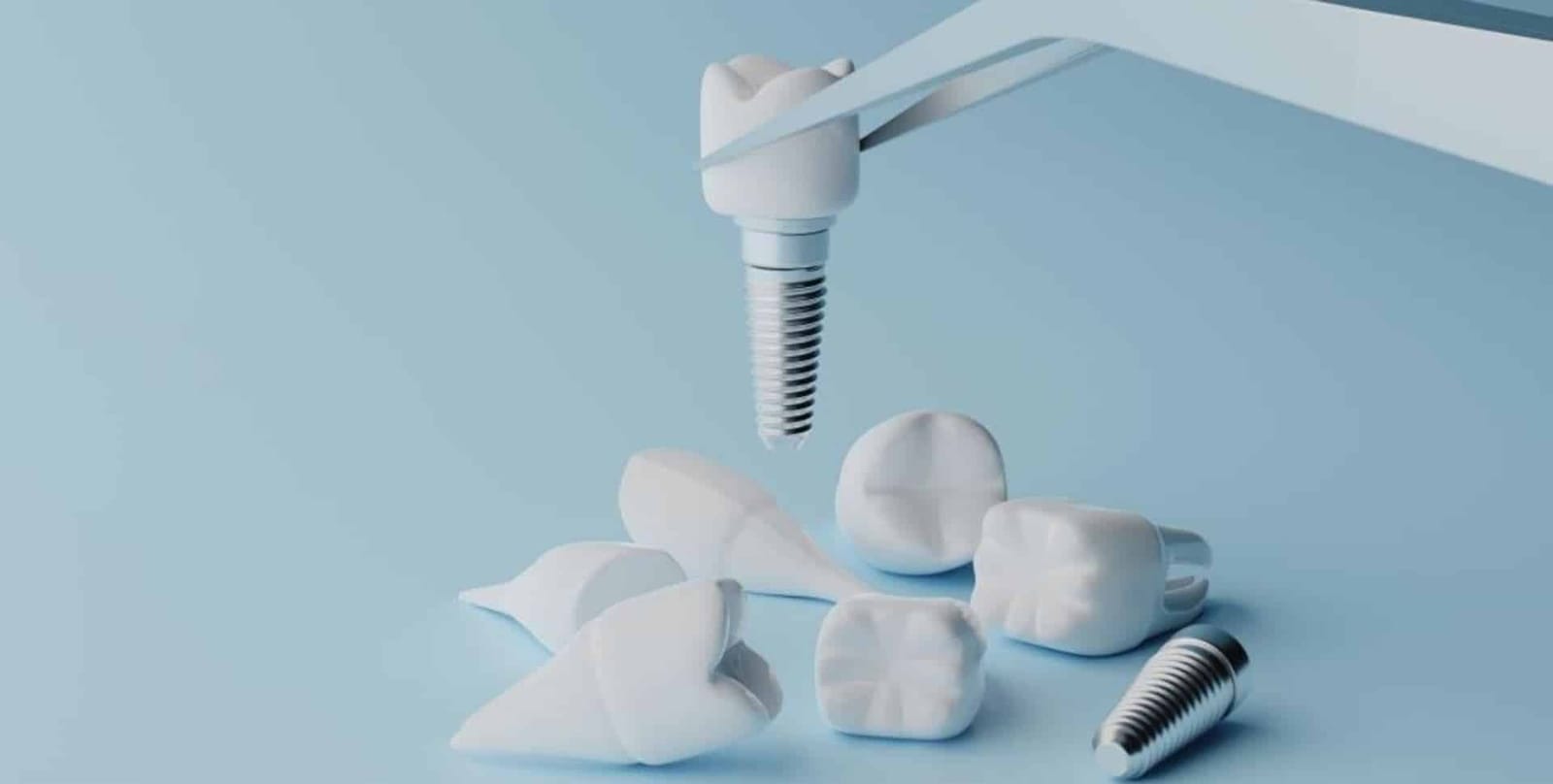
The crown material is a separate choice from the implant material. Options include ceramics such as zirconia and porcelain bonded to a supporting framework. Some restorations combine metal and porcelain.
Acrylic or other resin materials may be used for temporary teeth. Describing these as “acrylic implants” confuses the restoration with the part placed in the bone.
Appearance, bite forces, the position of the tooth and the space available all matter. No crown is indestructible, and a material that works well for one person may not suit another. Read more about implant crowns and their cost.
Assessment before treatment
The dentist checks your mouth, medical history and medicines, and arranges imaging where needed. Diabetes or osteoporosis does not automatically rule out implants: control of the condition and any medicines affecting bone are relevant to the decision. Do not stop prescribed treatment yourself.
Gum disease, decay and other dental problems may need managing first. Some cases also need bone grafting. Ask how these steps affect the treatment time, risks and estimate. Implants can fail, and the replacement teeth may need repairs in future, so ongoing cleaning and reviews remain important.
Comparing prices
Our implant consultation and treatment plan is £80. See the implant fees page for listed services and ask for an individual written estimate.
Check that the estimate distinguishes the implant, abutment and crown or other restoration. The abutment is not included in the implant or crown fee. Investigations, preparatory treatment, temporary teeth and later maintenance may add to the cost.
If you are considering instalments, use our current finance information, including eligibility and terms. You can contact the practice to discuss an assessment. If your concern is the appearance of teeth that are still present, ask about suitable options for those teeth; veneers do not replace missing teeth.