Implant crowns: materials, fitting and cost
Originally published
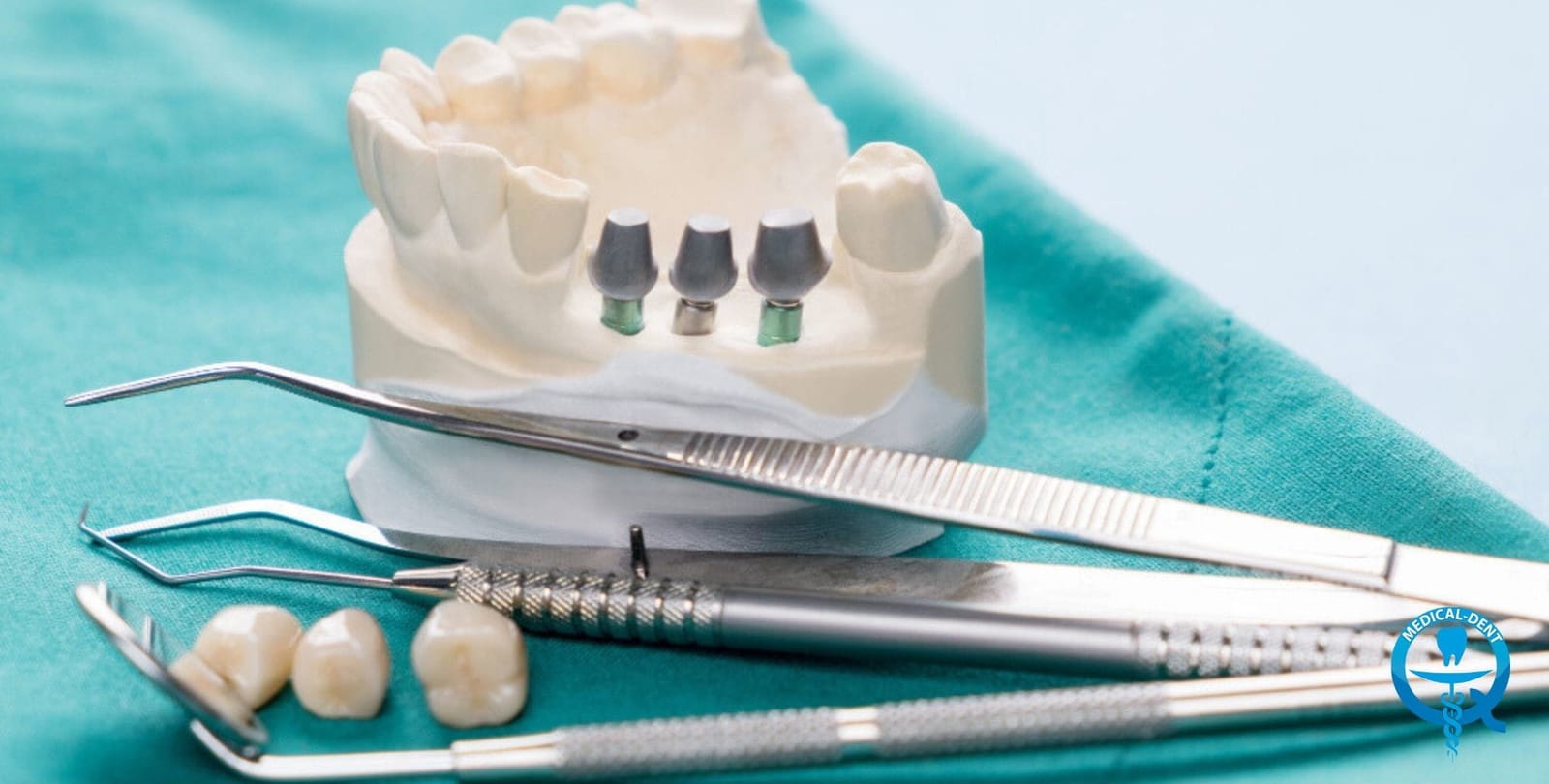
An implant crown is the visible tooth replacement attached to a dental implant. The implant sits in the jawbone, while a connector called an abutment joins it to the restoration. These components have different roles and may be charged separately.
A crown can replace a single missing tooth without relying on neighbouring teeth for support. Its shape, shade and bite need careful planning; no material can guarantee a perfect match or a lifetime without repairs.
Which materials are used?
Ceramic crowns include zirconia crowns. Zirconia is a type of ceramic, so “ceramic” and “zirconia” are not entirely separate categories. Some crowns have a porcelain layer over a supporting structure; porcelain can also be bonded to a metal framework.
The choice depends on the position of the tooth, available space, bite forces and appearance you want to achieve. Ask your dentist which material they recommend and why. A material suited to one tooth may not be the best choice for another.
A temporary crown may be made from resin while treatment is being completed. This is a temporary restoration, not a different kind of temporary implant.
How is the crown fitted?
Before making the final crown, the dentist checks healing and whether the implant is ready to support it. The timing varies with the surgery, bone condition and any grafting needed. Some treatment plans use a temporary restoration earlier, but this is not suitable in every case.
An impression or digital scan records the area. The dental laboratory uses this information to make the crown, and the dentist checks its fit, shade and contact with the opposing teeth. The restoration may be secured with a screw or cement, depending on its design.
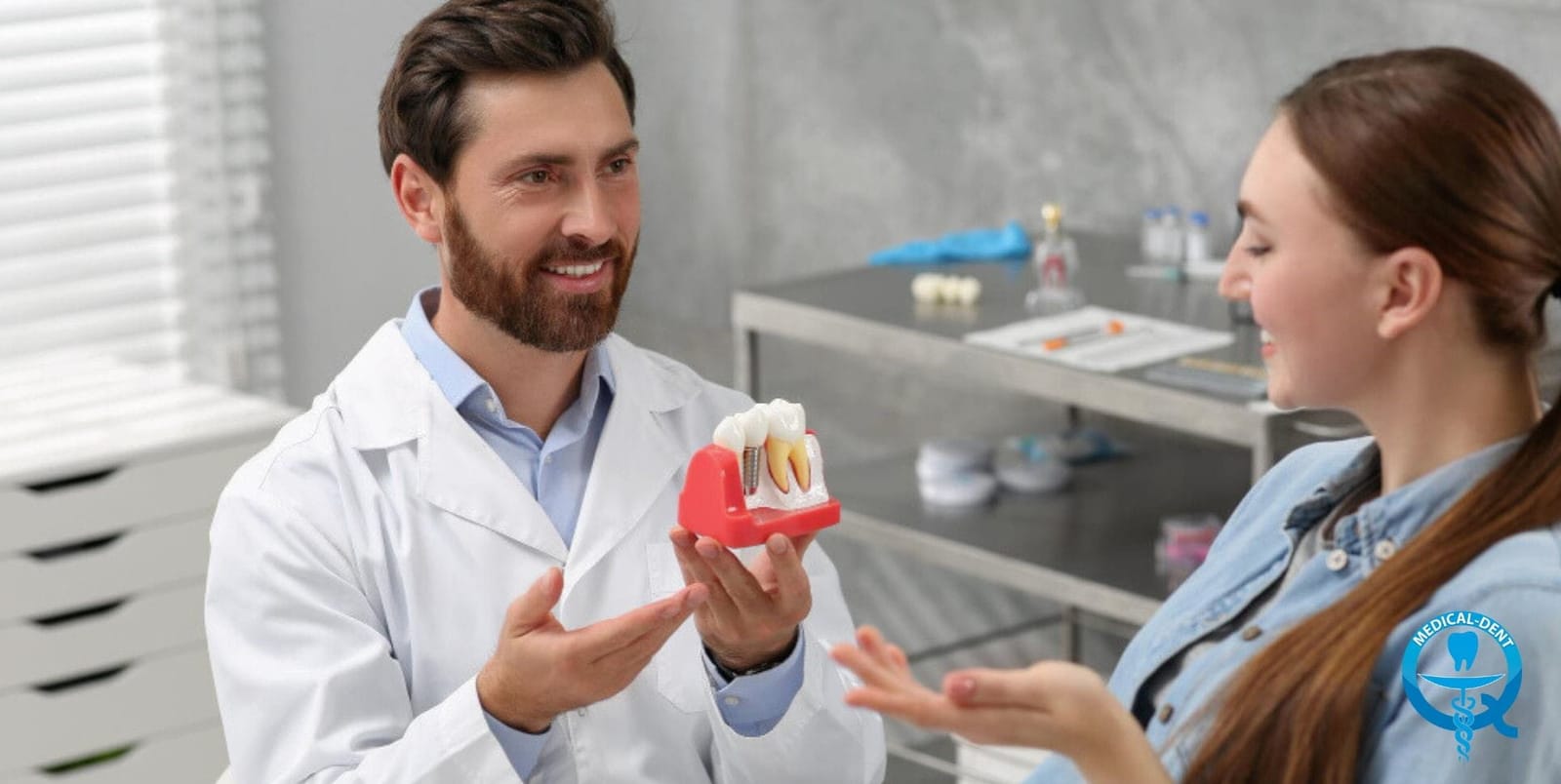
Tell the dentist if your bite feels uneven or the shape makes cleaning difficult. Adjustments may be needed before or after fitting. Our implant consultation guide explains what to discuss before starting treatment.
Looking after the restoration
An implant crown cannot develop tooth decay, but the tissues around an implant can become inflamed. Clean around it as your dental team demonstrates and attend the reviews they recommend. The space around the restoration may need an interdental brush or another cleaning aid.
Crowns can chip, screws can loosen and restorations may eventually need repair or replacement. Contact the practice if the crown moves, your bite changes, or you notice persistent soreness or bleeding. Do not try to tighten it yourself.
What does an implant crown cost?
Our porcelain implant crown for Ankylos is from £1,500. This is the crown fee, not the cost of a complete implant treatment. The abutment is not included in either the implant or crown price.
Check the implant fees page and request a written plan covering the implant, abutment, restoration and any additional procedures. Discuss future maintenance costs too. If you are considering instalments, read the current finance information; eligibility and terms apply.
You can contact the practice to arrange an assessment and discuss suitable options.