
Dental implant costs in the UK: what does the price include?
Originally published
The price of an implant is not necessarily the price of a complete replacement tooth. Before comparing quotations, check which parts of treatment each one includes and whether extra procedures are likely to be needed.
An implant can be a useful option for a missing tooth, but it is not automatically the best choice for everyone. A bridge, denture or, in selected cases, leaving a gap under review may also be worth discussing.
Implant, abutment and crown
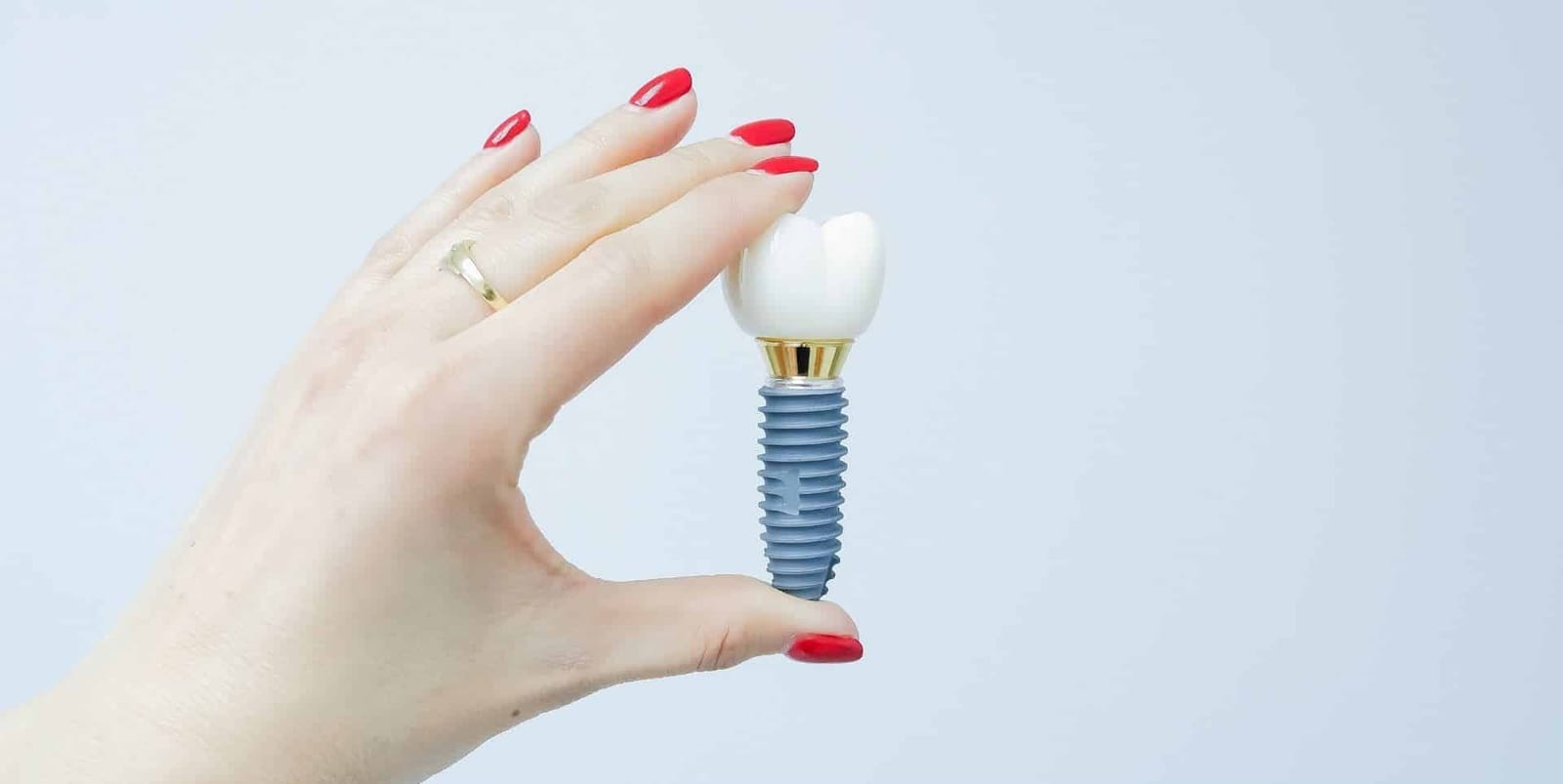
The implant is the component placed in the jawbone, usually made from titanium. It replaces the root rather than the visible part of the tooth. For a single-tooth replacement, a crown is attached through a connector called an abutment.
These are distinct parts of treatment. At our practice, the abutment is not included in the implant or crown price. Ask for a written estimate that makes each element clear rather than assuming a headline implant fee covers the finished tooth.
Our guide to replacing missing teeth explains the options to discuss at assessment.

What can affect the total cost?
The amount of treatment needed matters more than a single advertised figure. Your plan may include:
- Assessment and any necessary imaging.
- Removal of a tooth or treatment of existing dental problems.
- Bone grafting or a sinus lift if required.
- Implant placement, the abutment and the final crown or other restoration.
- Temporary teeth, review appointments and continuing maintenance.
Not everyone needs every item. The estimate should identify what is included, what is optional and what may change if the findings or healing alter the plan.
Implant systems, restorative materials and laboratory work can differ. A higher price alone does not prove that a material is more compatible with the body or will last longer. Nor is there a universal rule that titanium implants cost more than zirconia implants. Ask why the proposed components suit your case.
What is the current fee at Medical Dent?
See our current implant fees, then request a personalised estimate. A listed starting price cannot predict the total for someone who needs additional procedures.
Old national price ranges and claims that Polish practices are always cheaper than other UK practices are not a reliable basis for choosing treatment. Compare like-for-like plans, including aftercare and any exclusions, rather than the language spoken at the practice or the lowest headline amount.
Allow for healing and future care
Your gums, available bone, medical history and smoking status affect suitability and planning. Treatment involves surgery and healing, sometimes in several stages. The Leeds Teaching Hospitals implant guide explains these considerations.
Implants can function for many years, but they are not guaranteed for life. The surrounding tissues can become diseased, bone can be lost and crowns or other components may need repair or replacement. Ask how to clean the implant and what routine reviews and maintenance will involve. Avoid treating the initial cost as the last dental expense you will ever have.
Paying in instalments
If you are considering finance, read the current finance information. Check the term, interest rate, eligibility and total amount repayable for the arrangement offered to you. It is not correct to assume the first twelve months of every loan are interest-free.
You can contact the practice to arrange an assessment and discuss the costs. A clear written plan should let you see both the treatment proposed and the financial commitment before you decide.