
Missing teeth: when should a gap be replaced?
Originally published
A missing tooth can affect chewing, speech or how you feel about your smile. It can also leave a gap that causes few day-to-day problems. Whether to replace it depends on which tooth is missing, your bite, the health of the remaining teeth and your preferences.
A dental assessment helps you weigh up the benefits and drawbacks. An implant is one option, but it is not necessary for every gap.
What can happen after a tooth is lost?
Neighbouring teeth may move towards the space, and the tooth opposite it may change position. The bone in the area also changes after an extraction. How much these changes matter varies from person to person; losing one tooth does not mean that the others will inevitably loosen or fall out.
Tell your dentist if food regularly gets trapped, chewing has become difficult or your bite feels different. Headaches and jaw pain can have several causes and should not automatically be attributed to a missing tooth.
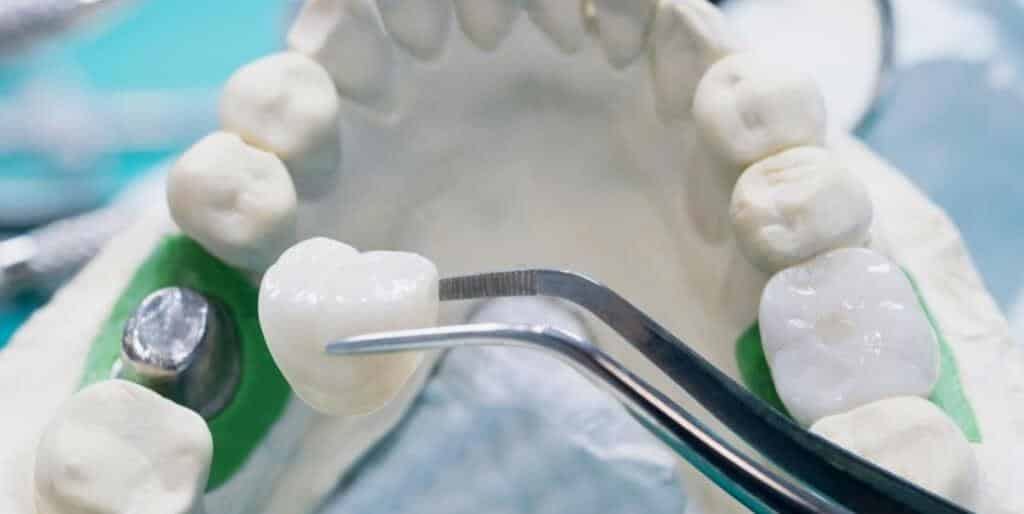
Options for replacing a missing tooth
A removable denture can replace one or several teeth. It needs cleaning and may need adjustment as your mouth changes.
A bridge is supported by other teeth. Some bridges require those teeth to be prepared for crowns; others use a bonded wing. Suitability depends on the gap and the supporting teeth.
An implant is placed in the jawbone to support a replacement tooth or teeth. It involves surgery and a period of healing. For a single tooth, a crown is usually attached through a connector called an abutment.
In selected cases, monitoring the gap without replacing the tooth is reasonable. Ask what leaving the space would mean for your particular mouth, as well as what each treatment would involve.
How does implant treatment work?
An implant replaces the root of a tooth and is usually made from titanium. The visible replacement is a separate restoration, such as a crown. Zirconia, used in some crowns, is a ceramic material; it is not unbreakable.
Planning includes checking your gums, available bone and medical history. Smoking, diabetes control, medicines and previous treatment can affect the plan. A medical condition does not always rule implants out, but additional advice or a different treatment may be needed.
Some people need bone grafting first. The timing of implant placement and the final crown depends on healing and the planned procedure, so there is no single timetable that applies to everyone. Leeds Teaching Hospitals explains the stages and considerations for dental implants.

Costs and long-term care
Check our implant fees and ask for a written estimate covering each stage. The abutment is not included in the implant or crown price. Ask whether imaging, grafting, temporary teeth and follow-up care are needed and how they are charged.
Implants cannot develop tooth decay, but the surrounding gums and bone can become diseased. Crowns and other components can also need repair or replacement. Daily cleaning and review appointments remain important; implant treatment is not a guaranteed lifetime purchase with no further costs.
If you are considering instalments, read the current finance information and ask about eligibility and the total amount repayable before deciding.

A useful first step is to explain what bothers you about the gap and what you hope treatment will change. Your dentist can then compare suitable options, including their maintenance needs, rather than starting with the assumption that an implant is the only answer.