10 common oral hygiene mistakes and how to avoid them
Originally published
A useful oral care routine is one you can follow consistently. It does not need to leave your teeth bright white, and it should not hurt. These ten common problems are worth checking if you want to improve your daily care.
1. Missing parts of your teeth
Clean the inner, outer and chewing surfaces, including close to the gumline. Rushing over the visible front teeth leaves other areas untouched. Ask your dentist or hygienist to demonstrate a technique suited to your mouth and brush.
2. Brushing too hard
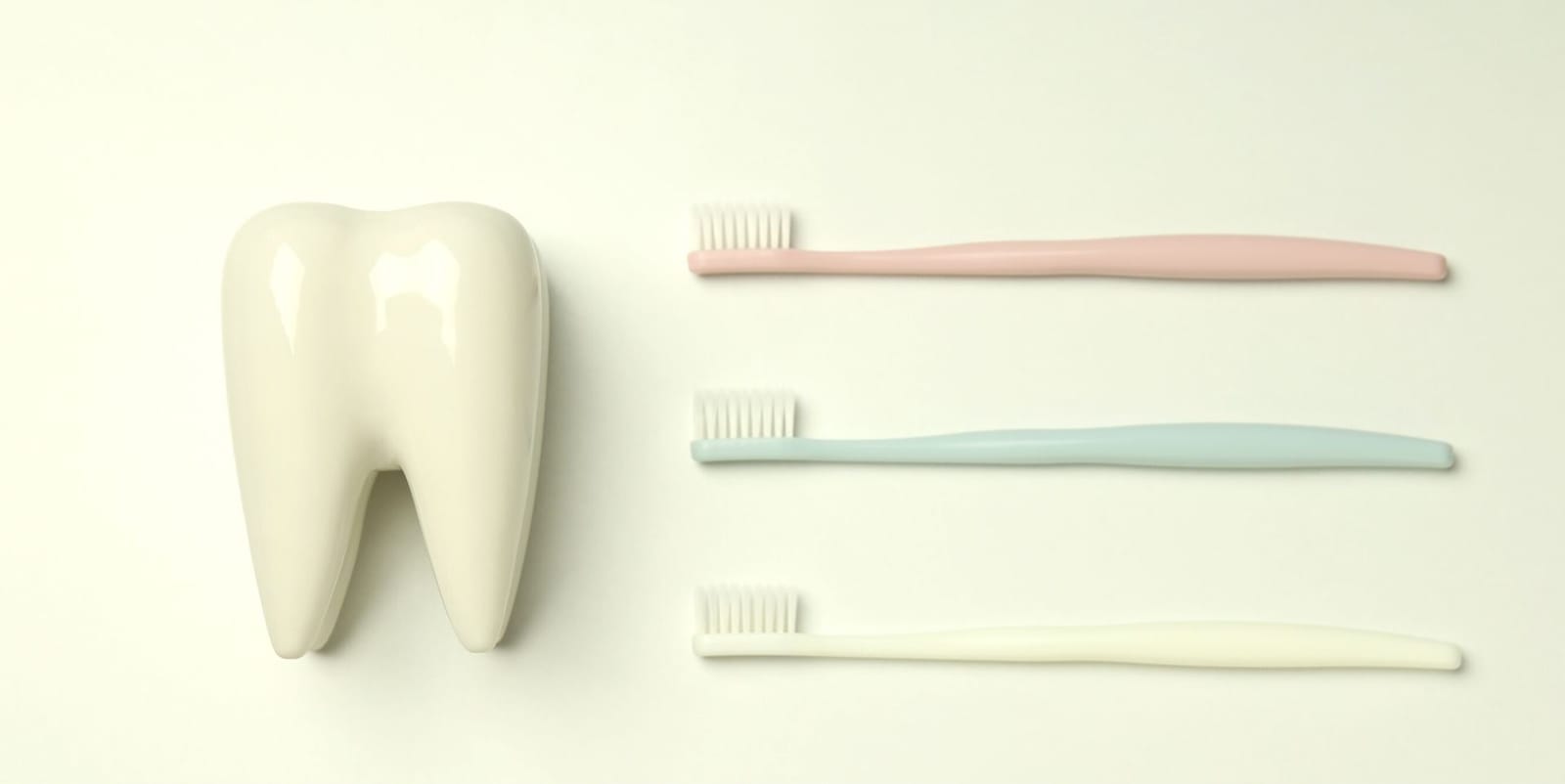
A soft brush is not automatically ineffective. For most adults, a small head with soft or medium bristles is suitable. Manual and electric brushes can both work well. Avoid forceful scrubbing, and ask for advice if brushing causes discomfort or the bristles quickly splay.
3. Focusing on a countdown after every meal
There is no single waiting time after food that replaces advice tailored to your risk of tooth wear. Frequent acidic drinks, reflux and brushing habits may all need attention. If erosion is a concern, discuss the cause and your routine with the dental team rather than assuming that waiting 20 or 30 minutes makes everything safe. UK prevention guidance covers tooth wear and its risk factors.

4. Leaving the spaces between teeth uncleaned
Use floss or appropriately sized interdental brushes daily. The best tool depends on the spaces and any dental work. It should reach the area without being forced into the gum. Cleaning these areas complements brushing the surfaces your toothbrush can reach.
5. Rushing brushing or rinsing away the fluoride
Brush for about two minutes, twice daily, including last thing at night. Adults should use toothpaste with at least 1,350ppm fluoride unless given different advice. Spit out the excess afterwards without immediately rinsing with water or mouthwash. The NHS explains an effective cleaning routine.
6. Scraping the tongue aggressively
Gentle tongue cleaning can help with coating and breath, but it should not cause pain or bleeding. Not cleaning your tongue does not cancel out all the benefits of brushing. Persistent soreness, a patch or bad breath needs assessment rather than harder scraping.

7. Treating professional cleaning as a substitute for home care
Professional cleaning can remove deposits that you cannot remove yourself. How often it is needed depends on gum health and your treatment plan. A fixed six-month schedule is not right for everyone, and a hygiene visit does not replace daily plaque control.
8. Trying untested whitening recipes
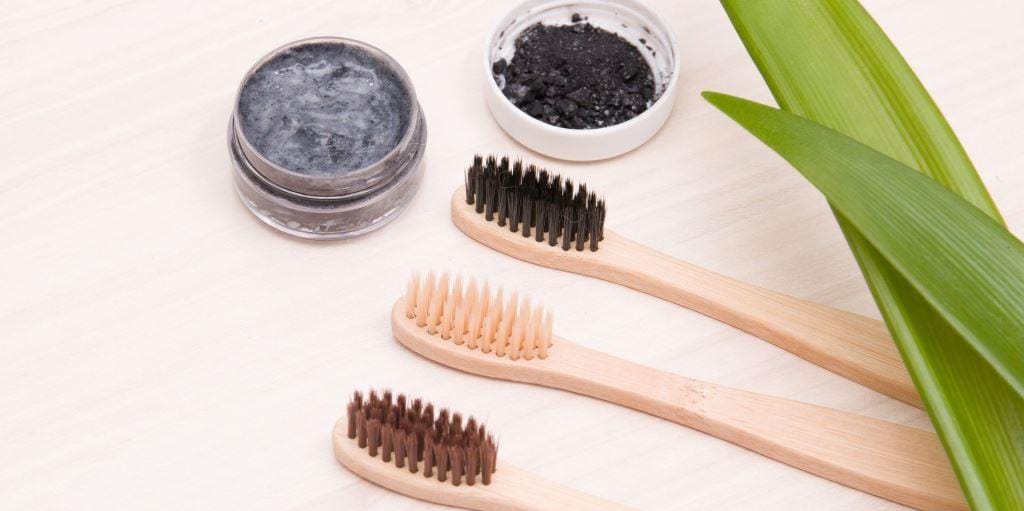
Charcoal, acids and home-made peroxide mixtures are not a shortcut to healthy teeth. If you want a lighter shade, have your teeth checked and discuss supervised options. Our guide to natural whitening methods explains the concerns.
9. Assuming supplements will solve dental problems
Vitamin D supports healthy bones and teeth, but supplements do not replace oral care. UK advice is to consider 10 micrograms daily in autumn and winter; some people need supplementation throughout the year. Follow NHS vitamin D guidance and seek individual advice where needed. Do not start high doses or assume everyone needs a blood test because of a dental concern.

10. Waiting for the next check-up despite symptoms
Agree the interval between routine examinations with your dentist. NHS advice on check-ups bases this on your oral health and risk, not a universal six-month rule. Pain, swelling or a persistent change should be assessed sooner.
Earlier care can make problems easier to manage, but it cannot guarantee a short, painless procedure. Tell your dentist if you are anxious or uncomfortable so that pain control and the pace of treatment can be discussed.