Natural teeth whitening: does it work and is it safe?
Originally published
Natural tooth colour varies, and healthy teeth do not have to be bright white. Coffee, tea and smoking can add surface staining, while changes within a tooth can also affect its colour. Removing a stain is not the same as bleaching the tooth itself.
Kitchen ingredients are often promoted as a cheap way to whiten teeth. “Natural” does not establish that a method is effective or safe for repeated use in your mouth.
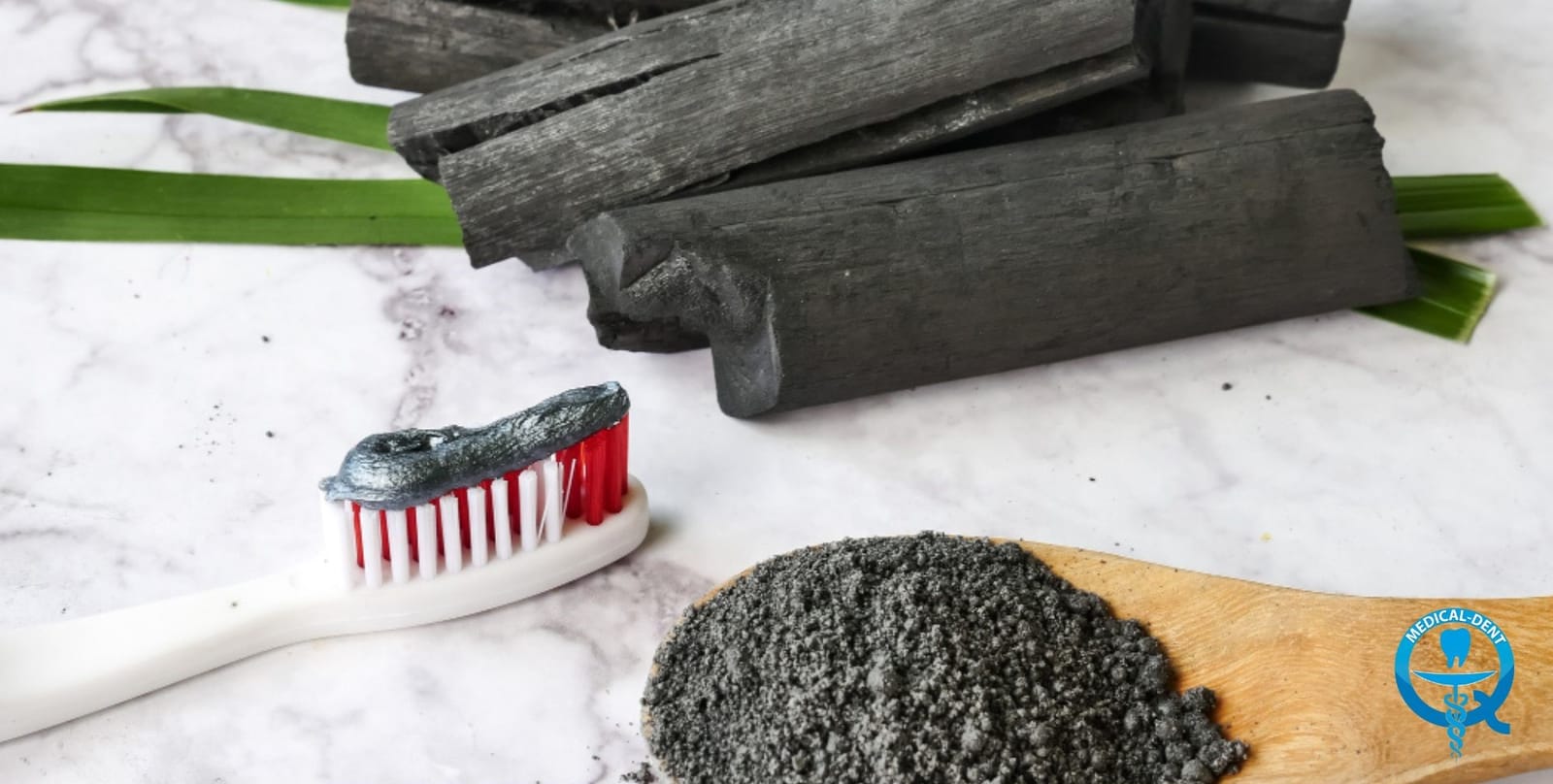
Charcoal, bicarbonate of soda and oil pulling
Charcoal powders do not have reliable evidence behind their whitening claims. Abrasive scrubbing can wear tooth surfaces, so a darker powder is not a reason to expect a better clean.
Bicarbonate of soda is an ingredient in some formulated toothpastes. That is different from making your own scrub or mixing it with hydrogen peroxide. Do not use household peroxide mixtures or replace fluoride toothpaste with a kitchen powder.
Oil pulling with coconut oil has not been shown reliably to whiten teeth. It should not replace brushing, cleaning between the teeth or treatment of a dental problem. The American Dental Association discusses the evidence for natural whitening methods.
What about lemon, vinegar or fruit?
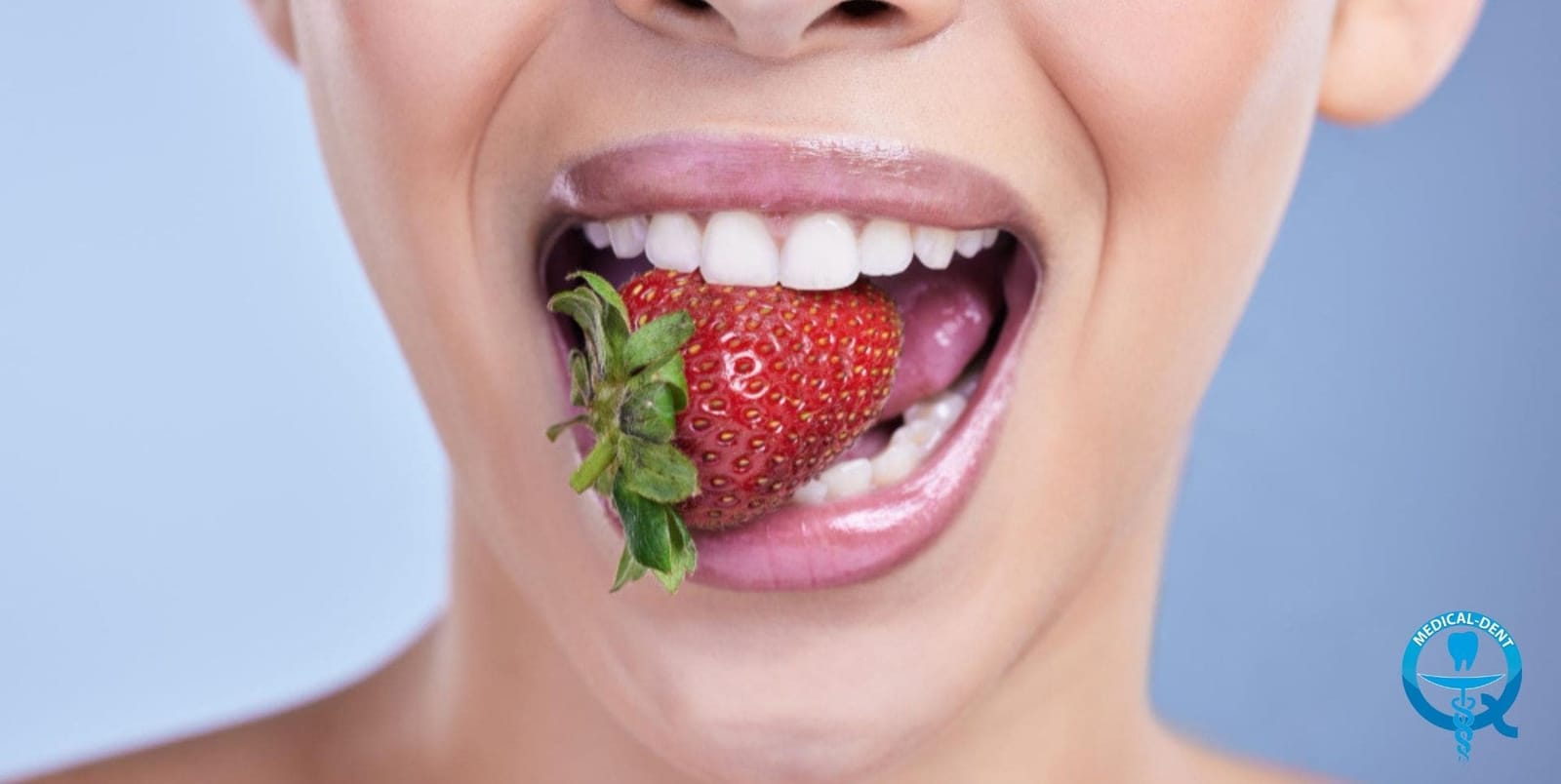
Do not rub acidic ingredients onto your teeth to bleach them. Prolonged acid contact can damage enamel. Strawberries and banana skins are not established whitening treatments, and there is no reason to turn ordinary fruit into a dental scrub. Eating fruit as part of a balanced diet is a different matter.
If your teeth have become sensitive or one tooth has changed colour, arrange an assessment before trying to cover up the change. A colour difference may need an explanation rather than whitening.
Dentist-supervised whitening
Your dentist can check whether the teeth and gums are suitable for whitening. Professional cleaning may help with surface deposits, while bleaching changes the colour of natural tooth tissue. Fillings, crowns and veneers will not lighten in the same way.
A home whitening kit from a dentist uses fitted trays and prescribed gel. In-surgery whitening is another option. The treatment plan, product and starting shade matter; a lamp alone does not guarantee the best result. Sensitivity and gum irritation can occur, so follow the instructions and report troublesome symptoms. NHS information on teeth whitening explains the process and possible side effects.
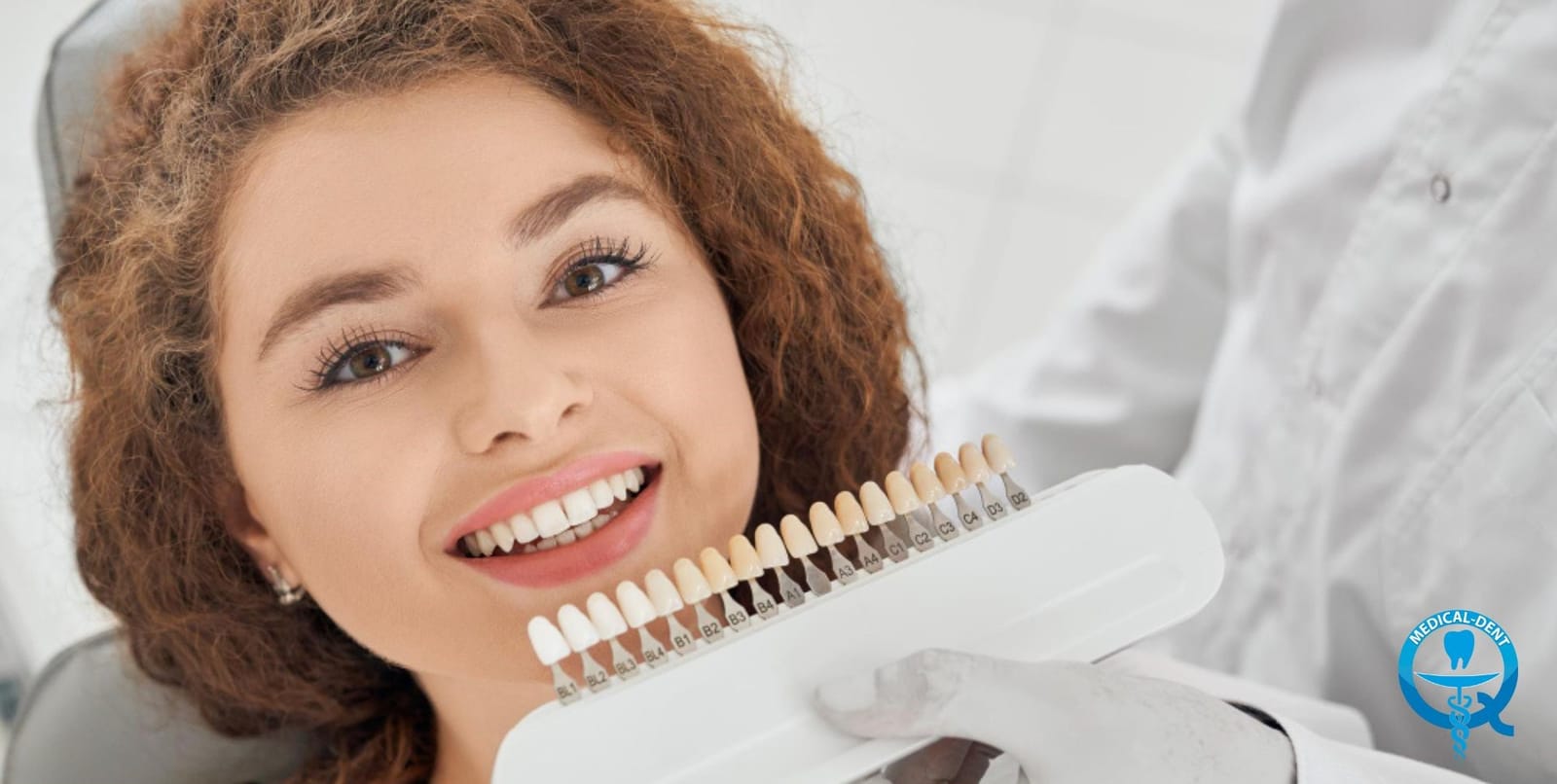
Enlighten is one professionally provided system. Its manufacturer advertises a B1 shade guarantee and says a “white diet” is unnecessary. Ask your dentist how the guarantee applies to your treatment and what maintenance is needed. This is not a promise that the colour will stay unchanged for life or proof that the system is best for everyone. See the manufacturer’s patient FAQ.
Current whitening fees
Our listed fees are:
- Home whitening tray kit: £300.
- In-surgery LED whitening: £400.
- Enlighten whitening: £550.
Ask what is included in your plan, including reviews and any future maintenance. A low initial price for a DIY product does not tell you whether it will work or what damage might cost to treat.
For payment options, read the current finance information and confirm eligibility and terms. If you would like to discuss whitening, contact the practice for an assessment rather than starting with a home-made mixture.