
Choosing a Polish-speaking orthodontic provider in the UK
Originally published
Orthodontic treatment involves more than having braces fitted. You need regular reviews, a plan for problems between visits and retainers afterwards. Choosing where to have treatment means considering how that whole course of care will fit into your life.
If you feel more comfortable discussing treatment in Polish, a Polish-speaking clinician may make conversations easier. Language preference is reasonable, but it should sit alongside qualifications, experience, access to appointments and a clear written plan.
Start with an assessment
Braces can change tooth position and improve some bite problems. The benefit depends on the individual case. Headaches, jaw pain, tooth wear or speech difficulties need their own assessment; orthodontics is not a guaranteed cure for them.
Ask what treatment would aim to change, what alternatives exist and what happens if you choose not to proceed. Teeth and gums need to be healthy enough for treatment, and keeping them clean remains important throughout it. Read our overview of orthodontic treatment.
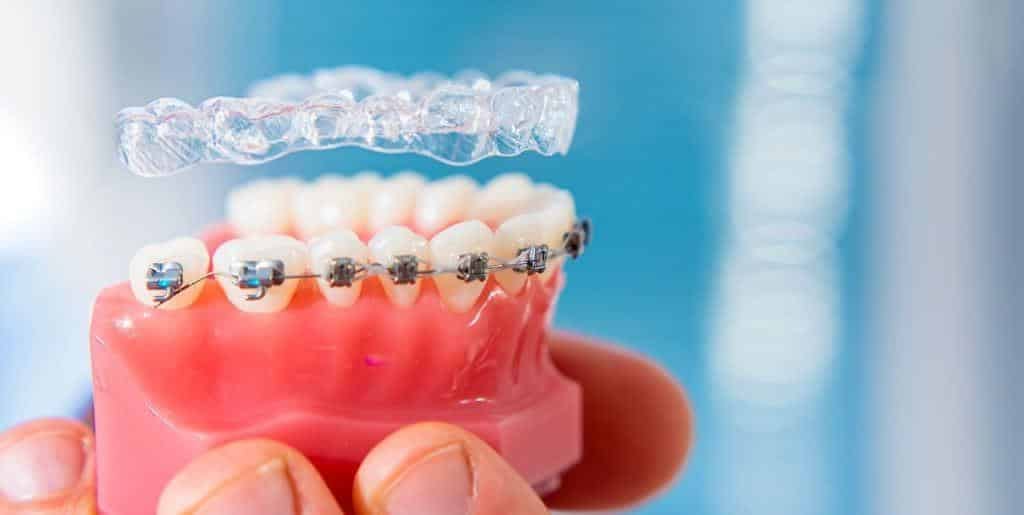
Communication and qualifications
You should be able to understand the proposed treatment, its risks and your responsibilities. Tell the practice which language you prefer and ask who will see you at consultations and follow-up visits.
Check the clinician’s General Dental Council registration. A dentist may provide orthodontic treatment within their competence, but the title “specialist orthodontist” requires entry on the relevant specialist list. Speaking Polish is not itself a specialist qualification.
Useful questions include how long treatment is expected to take, who supervises it, how often reviews are needed and how the team handles a broken appliance. You do not need to agree immediately if you still have unanswered questions.
Local treatment or travelling to Poland?
Local appointments can be easier to fit around work, school and unexpected repairs. Treatment elsewhere may still be a practical choice for some people, but consider travel costs, time off and access to care between planned trips. Neither country is automatically cheaper for a comparable course of treatment.
A loose bracket or broken wire does not always mean a hospital emergency, but you should contact your treating team for advice. Do not wait for a distant planned visit if the appliance is causing injury or you cannot wear it as instructed.
Can another practice take over?
Transfer may be possible, but it requires agreement and an assessment by the receiving clinician. Ask your current provider to share the treatment history, relevant images and appliance details. The new team may recommend changes and provide a different fee estimate.
Do not assume that any practice will simply continue the existing plan, or that transferring guarantees the same timetable and result. The British Orthodontic Society discusses changing providers.
Compare the total cost
Use current written quotations for the same scope of treatment. Check whether they include one or both arches, diagnostic records, reviews, repairs, additional appliances and retainers. An appliance fee alone is not necessarily the price of the entire course.
Our orthodontic fees are a starting point for that discussion. Old exchange-rate comparisons or another patient’s savings cannot predict your own costs. If you are considering instalments, read the current finance terms and check the full quotation rather than relying on a monthly figure without its conditions.
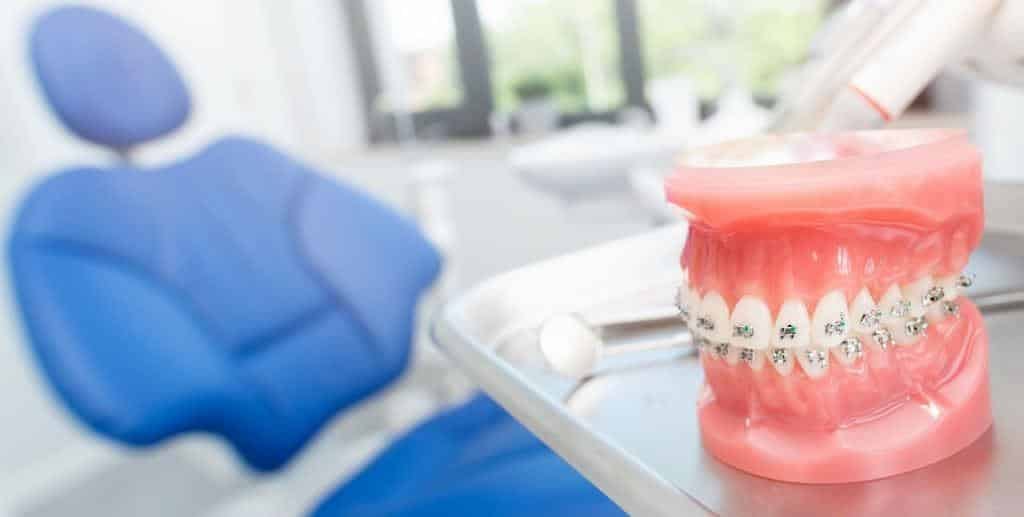
Finally, ask about retention and future replacement costs before starting. Maintaining the result may involve long-term retainer wear and reviews. Contact the practice if you would like to discuss an assessment and the practical arrangements for care.