Changes in tooth colour: what needs checking?
Originally published
Teeth naturally vary in colour. A yellowish shade is not automatically unhealthy, and very white teeth are not proof of good dental health. A new patch or a change in one tooth deserves attention, particularly if there is pain, sensitivity or a recent injury.
Surface staining or a change inside the tooth?
Tea, coffee, red wine and tobacco can leave stains on the surface. Colour can also change with age, previous dental treatment or changes in the tooth itself. Brushing harder will not remove every kind of discolouration and can damage your gums.
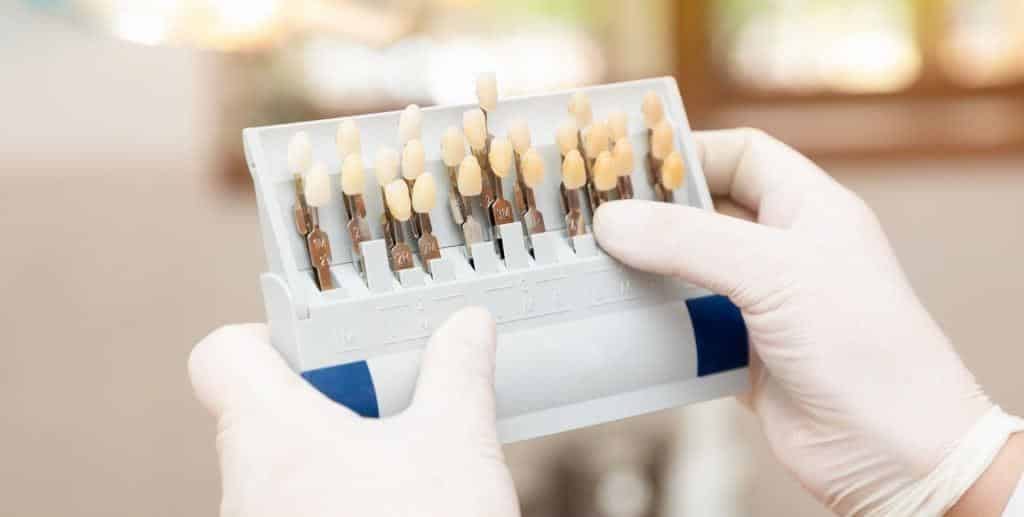
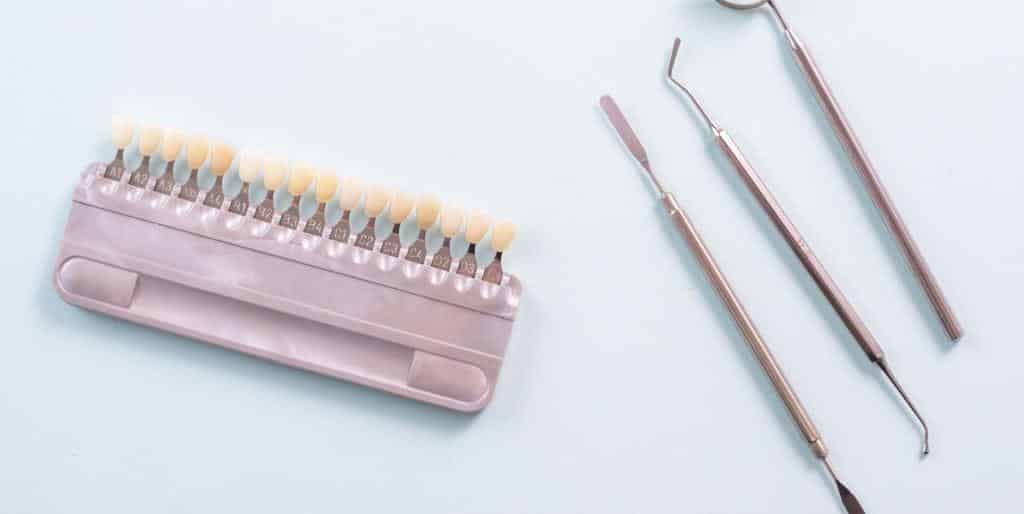
Tell your dentist when you first noticed the change, whether it affects one tooth or several, and about any injury or treatment. They may need to examine the tooth more closely or take an X-ray. A colour chart or photograph alone cannot establish the cause.
White, yellow and brown patches
A chalky white area can be an early sign of decay, but some marks developed while the enamel was forming. These need different approaches. The NHS guide to tooth decay explains that decay can also appear brown or black and may not hurt at first.
In children, enamel-development conditions can cause cream, yellow or brown patches, sometimes with sensitivity or crumbling. One example is molar incisor hypomineralisation, explained by Wirral Community Health and Care NHS Trust. A dentist must assess the pattern and condition of the teeth rather than diagnose it from colour alone.
Yellowing may also become more noticeable as enamel thins and the dentine underneath shows through. Brown marks can be surface stains or relate to decay or a change within a tooth. Our guide to brown marks discusses the distinction.
An unusual colour in one tooth
Have a new pink, grey or dark area checked, especially after an injury or previous treatment. Changes in the pulp or dental materials can affect appearance, but the colour does not reliably identify a particular material or disease.
Do not assume that white or yellow patches mean a thyroid disorder, or that a pink tooth identifies a rare inherited condition. Tell the dentist about relevant medical history and medicines; any further investigation should follow an assessment.
What treatment might help?
The cause comes first. Surface staining may respond to professional cleaning. Decay, damaged enamel or problems inside the tooth need appropriate management before cosmetic treatment is considered.
Whitening can lighten natural teeth in suitable cases, but it does not treat decay and does not whiten fillings or crowns in the same way. The NHS whitening guide explains why a dental check matters first. Avoid trying to remove marks with acids, scraping or abrasive household mixtures.
Arrange an assessment for a new or unexplained change. Seek urgent dental advice for significant pain or swelling. If a child’s tooth changes colour, arrange a dental review rather than trying whitening products at home.