Brown marks on teeth: staining, decay and treatment
Originally published
A brown mark on a tooth is not a diagnosis. It may be a surface stain, but it can also be associated with decay or a change within the tooth. Before trying to remove it, ask a dentist to identify the cause, particularly if it is new, painful or changing.
Where do brown marks come from?
Tea, coffee, red wine and tobacco can stain teeth. Plaque and tartar may also collect stains on the surface. Tooth colour varies naturally, and a darker tooth is not automatically unhealthy or evidence of poor brushing.
Decay can appear as a white, brown or black area, sometimes before it causes pain. A dental examination is needed to distinguish it from harmless staining. The NHS tooth decay guide explains signs and treatment.

In children, discolouration also needs assessment rather than a whitening product. Do not assume that marks mean the permanent teeth developing underneath are already damaged. Our guide to dark teeth in children covers decay, injuries and previous treatment.
Cleaning and whitening do different jobs
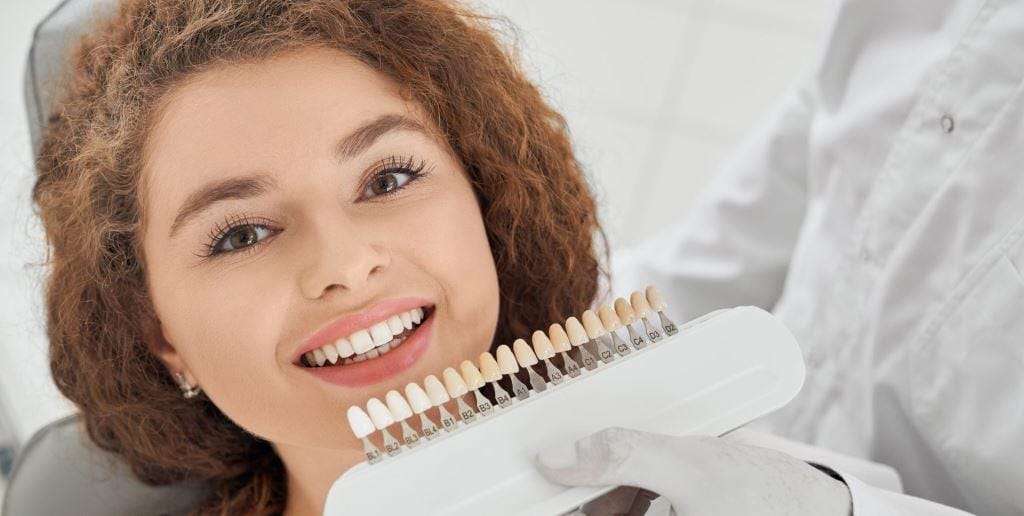
Professional cleaning can remove tartar and some external staining. Whitening changes the colour of natural teeth, but it does not treat a cavity. A dentist should check that your teeth and gums are healthy before recommending it.
Whitening can cause sensitivity or gum irritation and will not lighten fillings, crowns or other restorations in the same way as natural teeth. Dentist-prescribed home whitening is one option for suitable patients; treatment is not confined to the dental chair. See the NHS information on teeth whitening.
What can you do at home?
Brush gently with fluoride toothpaste twice a day and clean between your teeth. Avoid scrubbing harder to remove a mark. A whitening toothpaste may remove some surface stains, but that is different from bleaching the natural tooth colour or treating decay. The Oral Health Foundation explains what whitening products can and cannot do.
Do not try to scrape off tartar or use acidic mixtures to whiten your teeth. Home recipes involving lemon juice or abrasive powders can damage the surface; they are not a substitute for a diagnosis. If you are unsure which product is suitable, ask your dentist or hygienist.
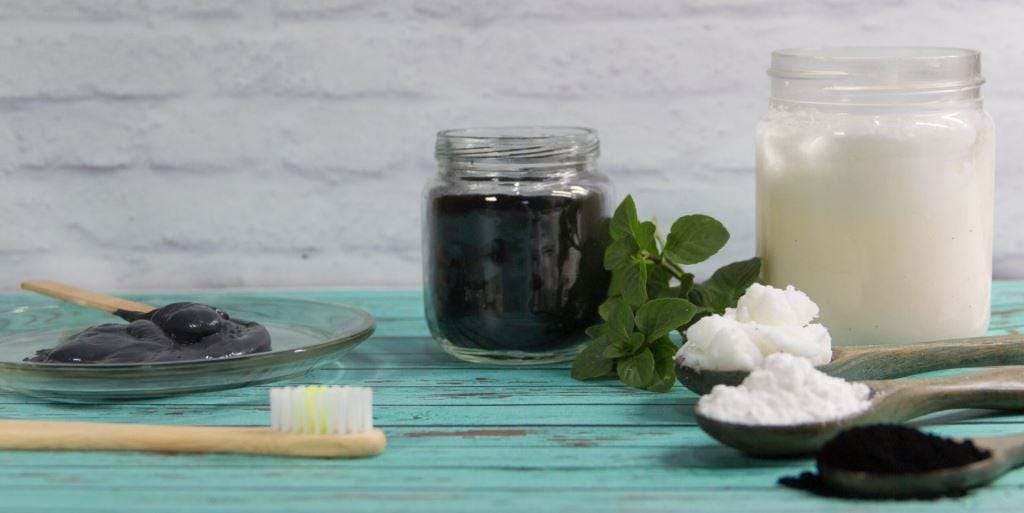
The photograph above illustrates home whitening ingredients, not a recommended treatment. Regular cleaning and professionally advised products are a safer starting point than experimenting with mixtures.
When to book an appointment
Have a new or unexplained mark checked, especially if there is sensitivity, pain or a visible hole. Seek urgent dental advice if pain is severe or you develop swelling. For an assessment and discussion of cleaning or cosmetic options, contact the practice.