Braces for children: timing, options and costs
Originally published
Children’s teeth and jaws change as they grow. Regular dental visits help identify concerns about crowding, the bite or teeth coming through. An orthodontic assessment can establish whether treatment is needed and when it would be most useful.
When should treatment start?
Many children begin orthodontic treatment around 12 or 13, but some problems benefit from earlier assessment or treatment. Timing depends on dental development and the particular problem, rather than a strict birthday cut-off. The British Orthodontic Society explains when a child may need a referral.
Do not wait until every milk tooth has fallen out before mentioning a concern. Equally, an early assessment does not mean that a child needs braces immediately. Their dentist may recommend monitoring growth instead.

Why might braces be recommended?
Treatment may help with teeth that are crowded, stick out or do not bite together well. It can improve alignment and, in some cases, make eating or cleaning easier. Crooked teeth do not inevitably lead to tooth loss, and braces are not a substitute for preventing decay.
Milk teeth still need care. Keep up dental check-ups and ask about a tooth that is painful, lost unusually early or remaining in place while another tooth comes through. Our guide to looking after children’s teeth covers everyday care.
Which appliance will your child need?
Options include removable plates, functional appliances for selected bite problems during growth, and fixed braces. Some patients may be suitable for clear aligners. Fixed braces can have metal or ceramic brackets; self-ligating brackets use a built-in clip to hold the wire.
The choice depends on the movements needed, growth and how well the child can manage the appliance. Follow the prescribed wearing schedule rather than a general rule about wearing removable braces only at night. Ask about expected benefits, discomfort and risks before treatment starts.
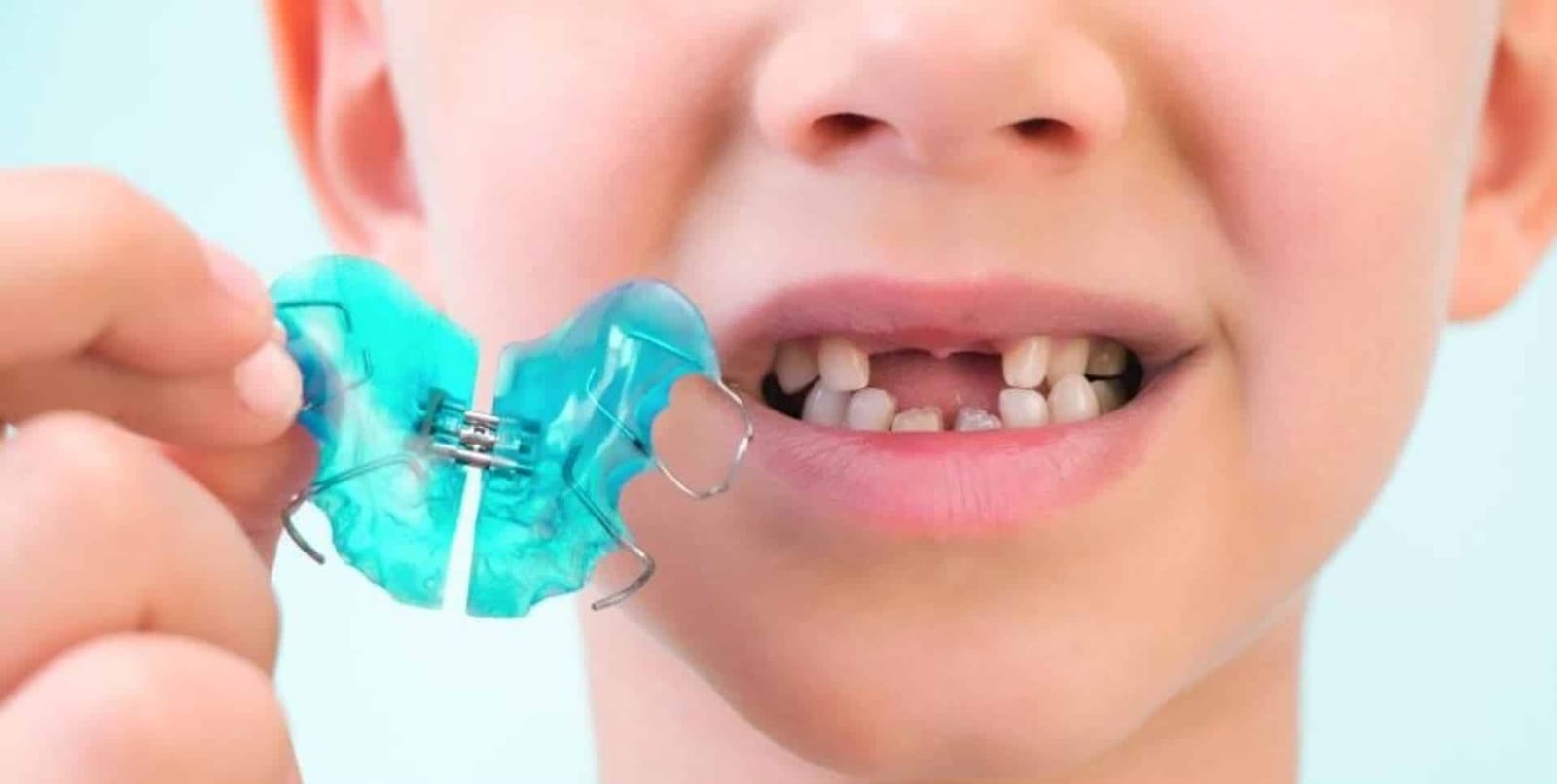
Help your child clean around brackets and wires with fluoride toothpaste and suitable interdental brushes. Keep regular dental appointments and report breakages to the orthodontic team. Retainers are usually needed after active treatment. The NHS guide to braces explains fitting and aftercare, as well as eligibility for NHS treatment. These private fees do not determine whether your child qualifies for NHS care.

Listed private fees at Medical Dent
| Appliance | Listed fee |
|---|---|
| Removable brace for a patient under 18, one arch | £400 |
| Removable braces for a patient under 18, two arches | £800 |
| Standard metal fixed brace, per arch | £800 |
| Standard ceramic fixed brace, per arch | £1,100 |
| Damon self-ligating metal brace, per arch | £1,100 |
| Damon self-ligating ceramic brace, per arch | £1,400 |
An arch is the upper or lower set of teeth. These appliance fees are not a quotation for a complete course. Check the orthodontic price list and ask for an itemised plan covering appointments, adjustments, removal and retainers.
See our finance information for current conditions, or contact the practice to arrange an assessment.