Do you need a white diet after teeth whitening?
Originally published
A “white diet” means temporarily avoiding strongly coloured foods and drinks during or after whitening. Some treatment instructions include this advice, but it is not a universal requirement for every whitening system.
Follow the instructions for the product and treatment prescribed by your dentist. You do not need to invent a stricter diet, or assume that eating one coloured food has ruined the result.
Enlighten and other whitening systems
Enlighten’s manufacturer states that its system does not require a white diet and offers a Vita B1 shade guarantee. These are the manufacturer’s stated features, with suitability and treatment instructions to discuss with your dentist. See the Enlighten FAQ.
Other systems may have different aftercare advice. If your instructions mention avoiding particular foods, ask which ones and for how long. There is no single seven- or fourteen-day restriction that should be applied to every course of whitening.
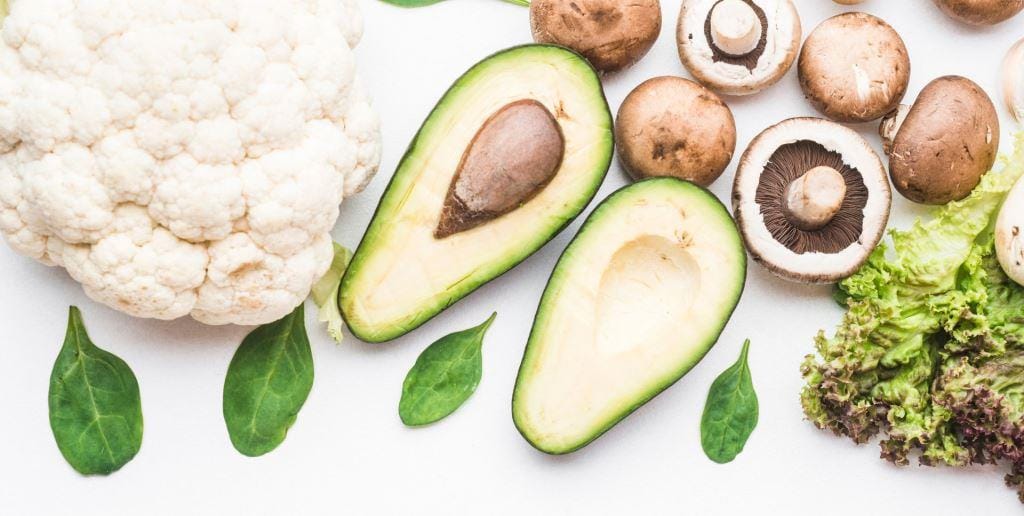
What does food colour tell you?
Food colour alone does not tell you whether something is good for your teeth. A pale sugary drink can still contribute to decay, and a colourless acidic drink can contribute to enamel wear. Nutritious coloured fruit and vegetables do not need to be excluded indefinitely to keep a healthy mouth.
Tea, coffee, red wine and tobacco can contribute to surface staining over time. That is different from saying that freshly whitened teeth absorb every substance, or that one meal necessarily reverses treatment. Keep a balanced diet and follow any specific advice for your system.
If you accidentally eat something your instructions advised against, do not extend the whitening time or use extra gel to compensate. Ask the dental team if you are worried.
What if your teeth feel sensitive?
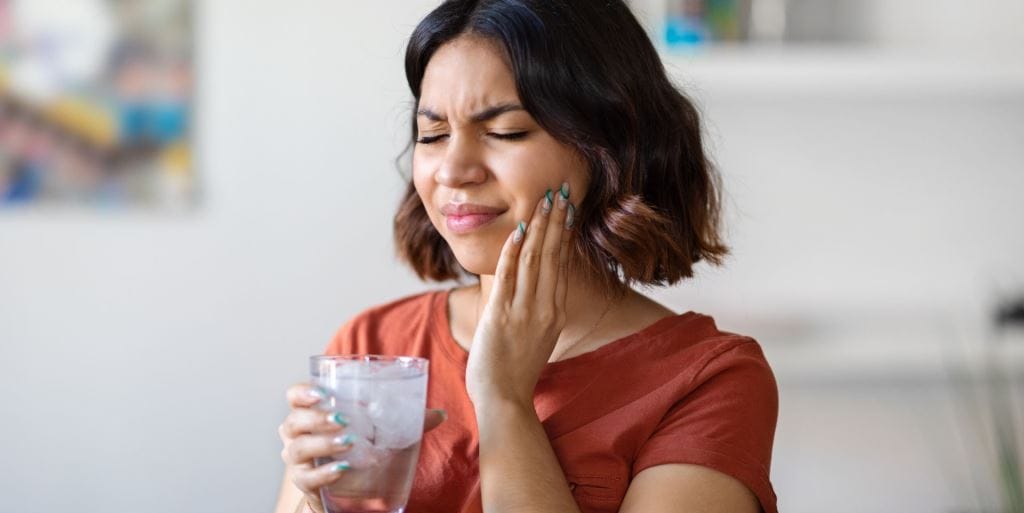
Whitening can cause temporary sensitivity or gum irritation, but not everyone experiences it. Avoid very hot or cold items if they trigger discomfort, and tell your dentist if symptoms are troublesome or persistent. They can advise whether to pause or adjust treatment.
Do not add another kit, household peroxide or abrasive mixtures in an attempt to speed things up. A colour change accompanied by pain in one tooth needs assessment, not more whitening.
Toothpaste, mouthwash and daily care
Choose toothpaste for its fluoride content and your dental needs rather than simply its colour. The colour of a mouthwash also does not establish whether it is suitable. Use products as advised, and keep mouthwash separate from brushing so it does not wash away the toothpaste’s fluoride.
Brush gently and clean between your teeth. Professional cleaning can remove deposits and some surface stains, but it cannot guarantee that the whitening result will never fade. The appropriate cleaning and review intervals depend on your oral health.
Stopping smoking benefits oral and general health as well as reducing a source of staining. There is no need to claim that every person who smokes after whitening will develop more staining than before to explain why stopping is worthwhile.

Planning treatment and maintenance
An examination helps establish the cause of discolouration and whether whitening is suitable. Natural teeth and existing fillings, crowns or veneers will not respond in the same way. Results vary, and a shade guarantee should not be read as a promise of permanent whiteness or removal of every white patch.
Ask what the current treatment package includes and how future maintenance is assessed. Contact us to discuss the options. If you are considering instalments, use the current finance information to check eligibility and the total repayable.