
Which toothbrush is best for you?
Originally published
The best toothbrush for you is one you can use comfortably and thoroughly every day. A manual brush can clean teeth well, while an electric brush may make the task easier. Price or a large vibration count does not tell you whether you are reaching every surface.
If brushing is difficult, your gums bleed or your teeth are sensitive, ask the dental team to check your technique and recommend a suitable brush.
Start with the head and bristles
For most adults, a small head with soft or medium bristles is a sensible choice. It should reach the back teeth comfortably. A handle that is easy to hold also matters, particularly if movement or grip is limited.
Soft bristles do not automatically leave teeth dirty. Cleaning depends on positioning, time and technique, not simply stiffness. Hard bristles and forceful scrubbing are not a good answer to stains from smoking, tea or coffee. They can harm teeth and gums without removing the cause of the staining.
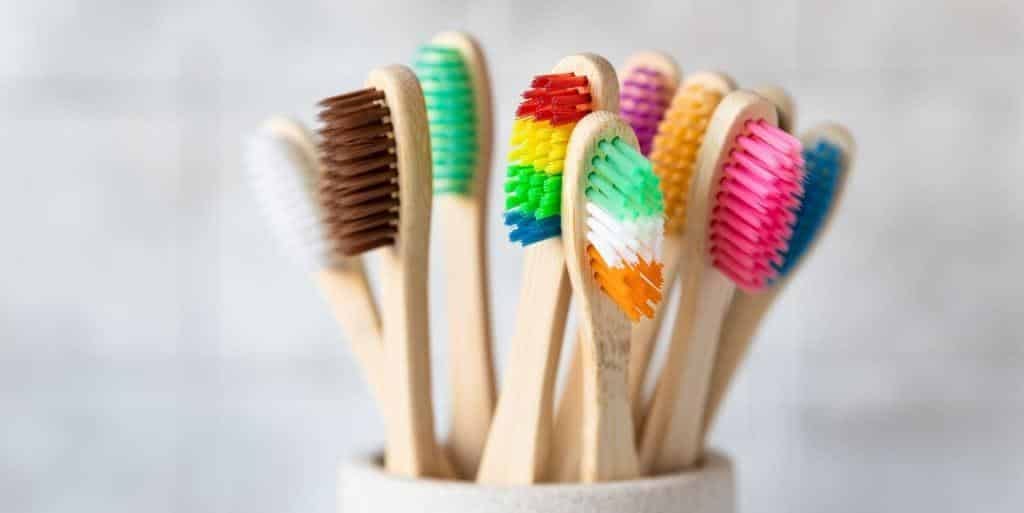
Manual toothbrushes
A manual brush is inexpensive, portable and does not need charging. Work methodically around the outside, inside and biting surfaces of the teeth, including the gum line. Ask for a demonstration if you are unsure about the angle or movement.
A flexible neck or a tongue-cleaning surface may be convenient, but it does not guarantee protection from excessive pressure. Replace a brush when its bristles become worn or splayed. After surgery, follow the team’s instructions on when and how to clean near the treated area rather than assuming a particular brush makes it safe to scrub the wound.
Electric and sonic toothbrushes
Electric brushes move the bristles for you. Designs differ: some have oscillating heads, while sonic brushes are another type of powered brush with rapid bristle movement. Follow the instructions for the particular head instead of adding vigorous manual scrubbing.
A timer can help you spend enough time cleaning, and a pressure sensor can warn you when you press too hard. Neither feature guarantees that every area is clean. Consider comfort, replacement-head costs and charging when choosing a brush.
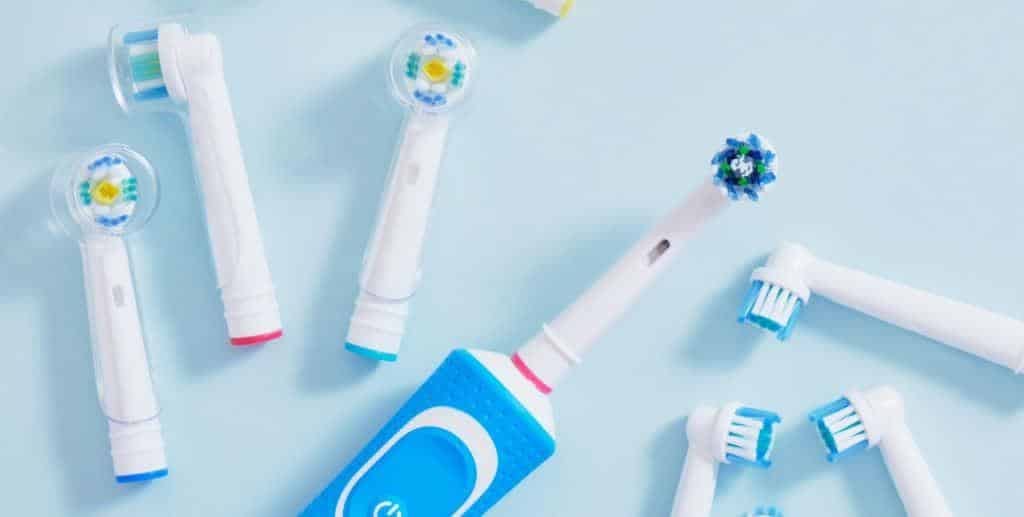
There is no useful promise that every electric brush will clean anyone’s teeth twice as well. The practical question is whether it helps you remove plaque effectively and consistently. A dental professional can check areas you are missing.
Products marketed as ultrasonic use a different technology from ordinary sonic brushes. A higher frequency alone is not proof of a better result, and the label does not establish that a brush will treat sensitivity. Persistent sensitivity needs assessment rather than simply a more expensive device.
Brushes for specific areas
A single-tufted brush can help clean around braces, crowded teeth or selected restorations. Interdental brushes are designed for spaces between teeth. The appropriate size should fit without being forced, and the team can show you how to use it around bridges or implants.
These tools support your routine; they do not replace cleaning the rest of the mouth. A person with limited hand movement may benefit from an adapted handle, a powered brush or help from someone else.

What to use alongside your brush
Brush twice daily for about two minutes with fluoride toothpaste, including before bed. Spit out the toothpaste without rinsing it away. Clean between the teeth daily with interdental brushes or floss where the spaces are too tight for a brush.
Mouthwash is not essential for everyone and cannot replace mechanical cleaning. If recommended, use it at a different time from brushing. Tartar needs professional removal; brushing harder will not remove it safely.
Contact us for advice on a routine suited to your teeth, gums and any dental work.