When should teeth whitening be delayed or avoided?
Originally published
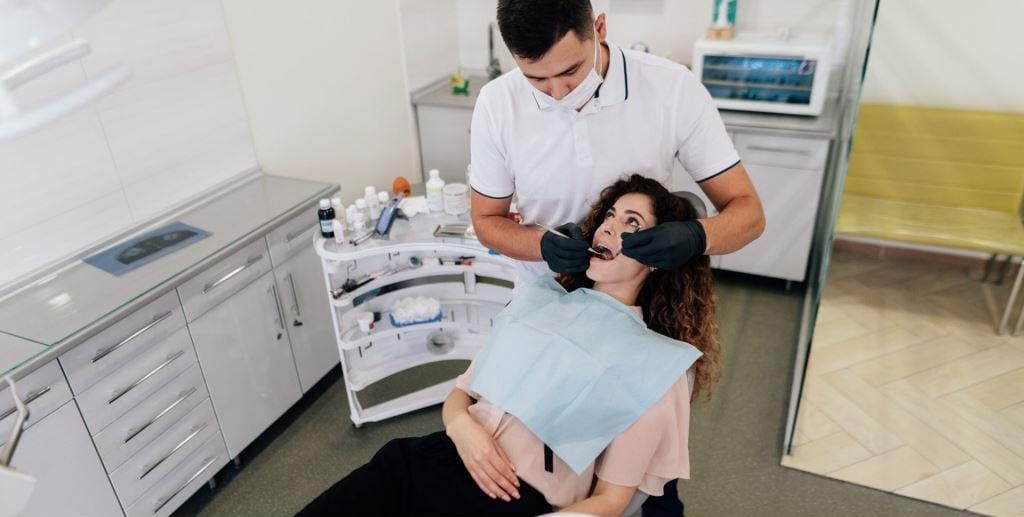
Teeth whitening can lighten natural teeth, but it is not a treatment for decay, gum disease or a painful tooth. A dental assessment should come first. The dentist can check the cause of discolouration, discuss what whitening can achieve and decide whether it is suitable now.
Treat dental problems first
Plaque, tartar and surface stains may need professional cleaning. Cleaning can improve the appearance of stained teeth, but one appointment does not guarantee that your mouth is ready for whitening.
Decay and damaged or leaking fillings need assessment and, where necessary, treatment. A cavity is a hole that can result from decay, not an unrelated condition that is always fixed in one visit. Early decay may be managed without a filling, while deeper damage can require more extensive treatment.

If a tooth hurts or has recently changed colour, have it checked rather than trying to hide the change with whitening gel. The NHS tooth decay guide explains why treatment depends on the extent of the problem.
Bleeding gums, sensitivity and mouth sores
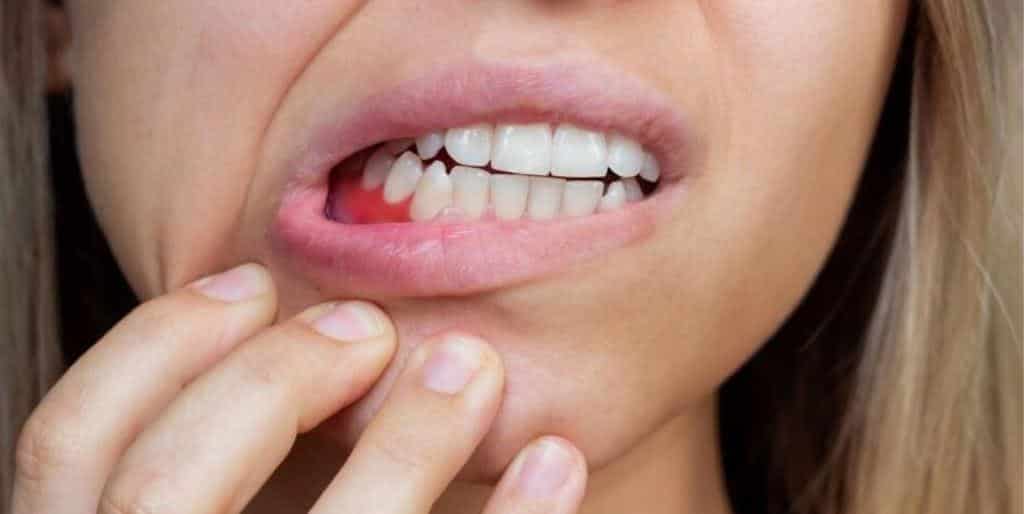
Bleeding, swelling or sore gums need dental attention before cosmetic treatment. Periodontitis affects the tissues supporting the teeth and may need ongoing care; it is not simply an inherited condition or a problem guaranteed to disappear after a scale and polish.
Gum recession and exposed roots can make teeth sensitive. Whitening may worsen sensitivity, so the dentist should assess the cause and discuss whether to delay treatment or use another approach. Tell them about ulcers or other sore areas too, as whitening products can irritate soft tissues.
Cleaning your teeth well and attending the recommended reviews helps maintain oral health. The timing of check-ups and professional cleaning depends on your needs; a visit every six months does not guarantee that whitening will be suitable.
Pregnancy, breastfeeding and age
The NHS does not recommend whitening during pregnancy or breastfeeding. Discuss postponing elective whitening with your dentist; this does not mean avoiding necessary dental care.
Cosmetic whitening with peroxide-based dental bleaching products is not offered to under-18s. Treatment of dental disease is a separate clinical matter with specific restrictions, as explained in the General Dental Council guidance. A child with discoloured teeth needs assessment, not a home bleaching experiment.
Medical conditions, medicines and allergies
Tell the dentist about your health, regular medicines, current treatment and any previous reaction to dental products. These details can affect whether whitening is appropriate and how it should be planned.
If you have diabetes, epilepsy, Parkinson’s disease or cancer, the diagnosis alone does not determine whether whitening is suitable. Your dentist will assess your oral health, current treatment and the product involved. Do not stop prescribed medicines in order to whiten your teeth.
Fillings and crowns will not whiten
Whitening changes natural tooth colour. Fillings, veneers, crowns and the restorations attached to implants do not lighten in the same way, so a colour mismatch may become more noticeable. Existing dental work does not automatically rule out whitening of natural teeth, but it needs to be included in the plan.
Sensitivity and gum irritation can occur even with professional treatment. Follow the instructions for the prescribed product, and contact your dentist if side effects bother you. See the NHS whitening guide for an overview.
Deciding on treatment
At an assessment, ask what needs treating first, what result is realistic and what the whole plan would cost. There is no guaranteed shade or permanent whitening result. Use the dentistry fee schedule and current finance information rather than assuming every treatment can be paid for on the same terms.
Contact the practice to discuss your teeth and gums before starting whitening.