What affects the colour of your teeth?
Originally published
Healthy teeth are not all the same shade of white. Their colour reflects the tissues they are made of, as well as changes over time and stains on the surface. A yellowish shade does not by itself mean that your teeth are dirty or unhealthy.
Equally, a new change in colour should not simply be put down to age. A dentist can check the cause, especially if one tooth has darkened, there has been an injury, or you also have pain or swelling.
Natural colour and changes over time
Enamel is the outer covering of a tooth. The dentine beneath it contributes to the colour you see through the enamel. Teeth are not bones, so “bone colour” is not a useful explanation of their shade.
Natural variation and the thickness and condition of these tissues affect appearance. Teeth may look darker with age, while wear can make the underlying dentine more noticeable. Colour can also be affected by how teeth developed, certain medicines or damage within an individual tooth. Nationality does not tell a dentist what shade your teeth should be.

Surface stains and oral hygiene
Tea, coffee, red wine and tobacco can stain teeth. Plaque and tartar can also affect their appearance. Brushing harder is not the answer: excessive force and abrasive products can damage teeth and gums without changing the natural shade underneath.
Brush twice daily with fluoride toothpaste, clean between your teeth and have dental reviews at an interval suited to your needs. Professional cleaning can remove deposits and some external staining, but it does not bleach the underlying tooth. You do not need to book cleaning twice a year simply because of tooth colour; the appropriate frequency depends on your oral health.
Avoid smoking for your wider health as well as your mouth. You do not need to remove nutritious fruit from your diet just because it has a strong colour. Frequency of sugary and acidic drinks also matters for tooth health, not only their potential to stain.

How dentists record tooth shade
A shade guide lets the dentist compare teeth with reference samples. There are different systems, and lighting can affect the comparison. A shade code is a record of appearance, not a score for how healthy or clean a tooth is.
The dentist can use this information when planning whitening or matching a restoration. Existing fillings, crowns and veneers need to be considered because they do not lighten in the same way as natural teeth.
If you would like lighter teeth
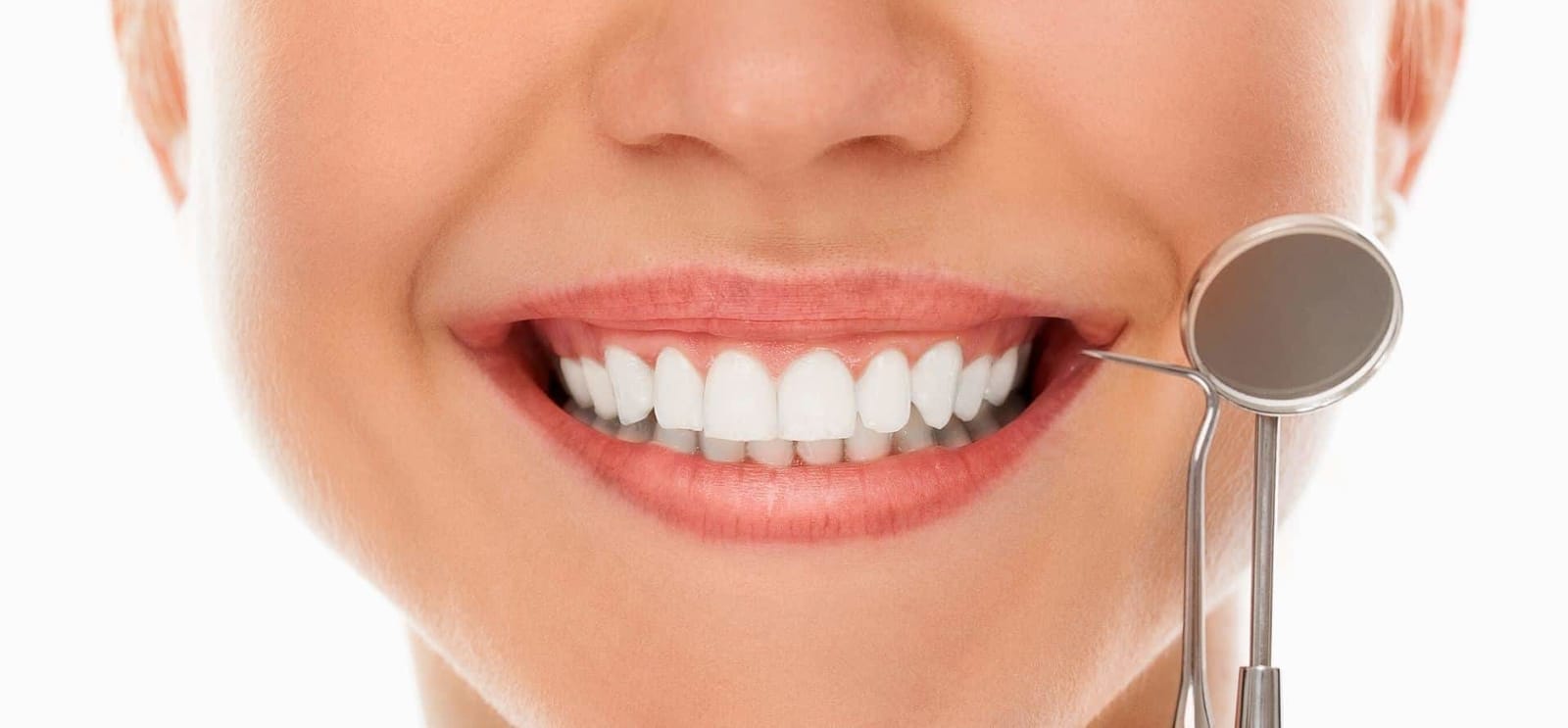
Start with an examination. Whitening can lighten natural teeth, but the response depends on the cause of discolouration and the treatment used. Sensitivity and gum irritation can occur. Follow a dental professional’s instructions rather than using household acids, abrasive mixtures or unverified online kits.
Whitening toothpaste mainly addresses surface staining; it cannot promise a dramatic change to the colour inside the tooth. You can also choose to keep your natural shade. Veneers are not an inevitable next step if whitening does not give the colour you hoped for: they involve a different commitment, with possible tooth preparation and future repairs or replacement.
Enlighten is one professional whitening system. Its manufacturer offers a Vita B1 shade guarantee and states that a white diet is not required. Ask your dentist about suitability, the treatment course and the terms that apply to you. This does not mean every tooth or restoration can be whitened, or that sensitivity and maintenance are eliminated. See the manufacturer’s FAQ.
Treatment costs and payment options
Contact us to discuss the options and request a current written estimate, including exactly what the whitening package covers. Old monthly payment examples are not a quote for a new course of treatment.
If you are considering instalments, check the current finance information for eligibility, the term and total amount repayable. Do not assume that the first twelve months of every plan are interest-free.