
Wearing braces: facts and common misconceptions
Originally published
Starting orthodontic treatment raises practical questions: will it hurt, what can you eat and how do you keep your teeth clean? Braces move teeth gradually, and the experience depends on the appliance and the treatment you need.
Here are some common claims about wearing braces and what they mean in practice.
“Braces hurt all the time”
Teeth can feel sore for a few days after braces are fitted or adjusted. Softer food may help while they settle. Ask your dental team or a pharmacist about suitable pain relief if needed, and follow the product instructions.
Constant or worsening pain is not something you should simply tolerate. Contact your orthodontist if pain lasts beyond a few days, your gums become very sore or swollen, or the brace breaks. If a bracket rubs, the team can show you how to use orthodontic wax and advise whether an adjustment is needed.
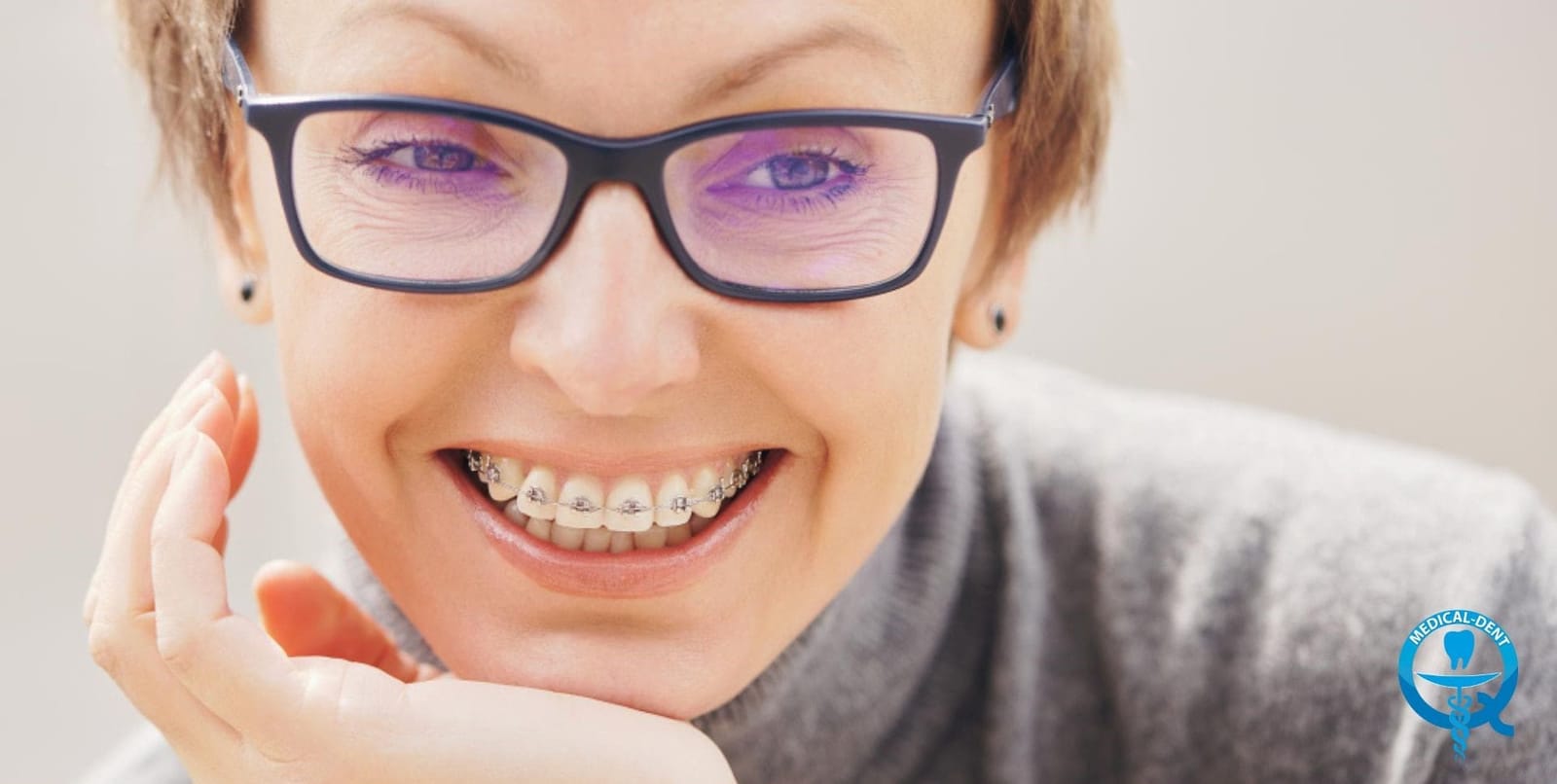
“Braces are only for children”
Adults can also have orthodontic treatment. The condition of the teeth, gums and supporting bone matters when assessing suitability. Some treatments that rely on jaw growth are mainly used in growing children, so the options may differ with age.
Metal braces, ceramic brackets, lingual appliances and clear aligners have different uses and limitations. Less visible does not automatically mean more comfortable or suitable. Ask which option can achieve the movements you need and what wearing it will involve.
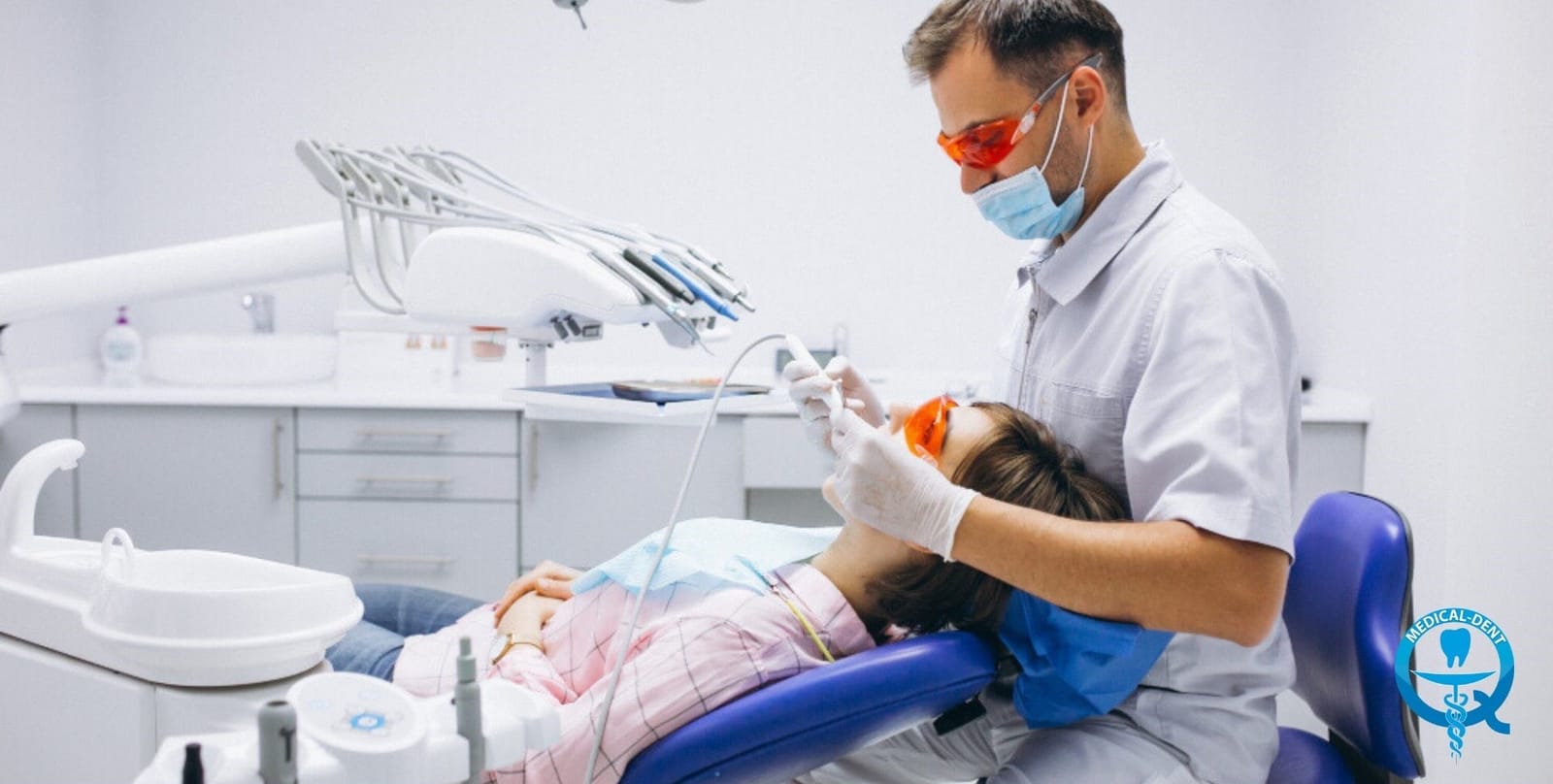
“Braces have no effect on the risk of decay”
Fixed braces create places where plaque and food can collect. Without effective cleaning and control of sugary snacks and drinks, teeth may develop white marks or cavities and gums can become inflamed. These problems are not inevitable, but preventing them is an important part of treatment.
Brush thoroughly with fluoride toothpaste and clean around brackets, beneath wires and between teeth as shown by your team. Keep routine dental check-ups as well as orthodontic appointments. Tell the team if cleaning is difficult so they can help you adjust your technique.
“A child needs braces because their teeth were neglected”
This is an unfair and inaccurate assumption. Tooth size, jaw growth and inherited features can affect alignment. Habits, injuries and early loss of milk teeth may also contribute, but a bite problem does not prove poor parenting or poor brushing.
Looking after milk teeth helps prevent pain and infection and can help preserve space for permanent teeth. It cannot prevent every orthodontic problem. Regular dental reviews allow concerns about eruption and the bite to be assessed.
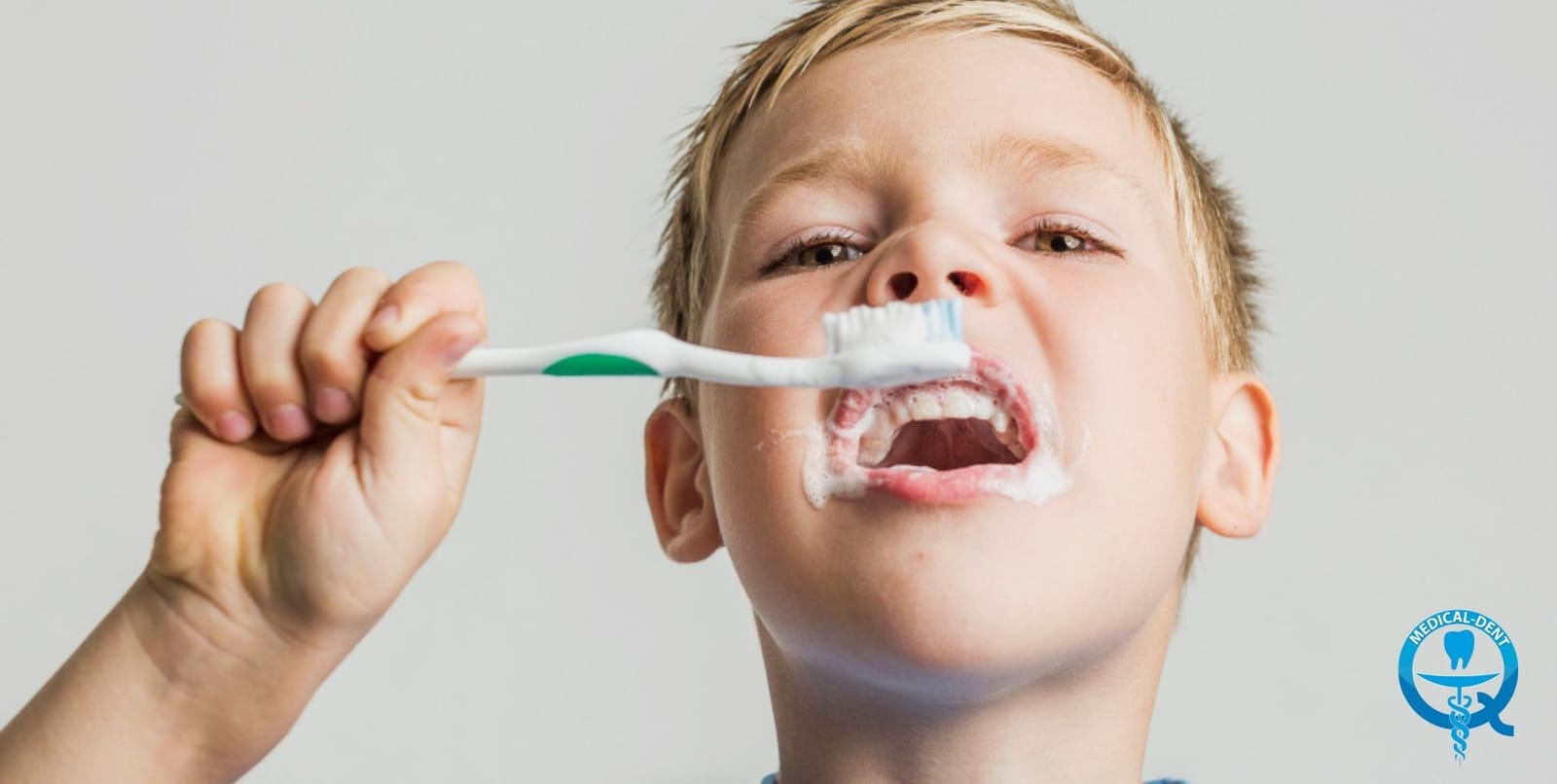
“Once the brace comes off, teeth stay in place”
Teeth can move after treatment and continue to change position with age. Retainers help maintain the result. Follow your orthodontist’s instructions about the type, wearing schedule and long-term use.
Removable retainers need cleaning and careful storage. Fixed retainers need cleaning around the wire and regular checks. Contact the team if a retainer breaks, becomes loose or no longer fits; do not wait until teeth have visibly moved. Retention reduces unwanted movement but is not a guarantee that nothing will ever change.

“You cannot eat normally with braces”
You may need to change how you eat, particularly with fixed braces. Hard or sticky foods can damage brackets and wires. Cut suitable crunchy foods into smaller pieces rather than biting into them with the front teeth. Keep meals varied and limit frequent sugary snacks and drinks.
Removable appliances and aligners have their own instructions about eating, cleaning and wearing time. Follow the guidance for your appliance instead of applying a rule from another type of brace.

If you are considering treatment, contact us for an assessment. Ask about the full plan, follow-up and retainers, as well as the listed orthodontic fees.