Veneers and crowns: planning a change to your smile
Originally published
If you would like to change the colour or shape of your teeth, start by explaining what you want to change and what you would prefer to keep. Healthy smiles vary naturally. Cosmetic treatment is a choice, and it should begin with an assessment of the teeth, gums and bite.
Veneers and crowns can alter appearance, but they are different restorations. Choosing between them means considering the condition of each tooth as well as the look you hope to achieve.
Veneers, crowns and other options
A veneer covers the front surface of a tooth. A crown covers more of the tooth and may be considered when it is substantially weakened or already heavily restored. Preparing a tooth can involve removing tissue that will not grow back, so the benefits need to justify that change.
Depending on the problem, alternatives may include whitening, orthodontic treatment, composite bonding or leaving the teeth as they are. Existing crowns do not need replacing just because they are older or because a newer material is available. Their condition and your reasons for considering replacement should be assessed first.
Decay and gum problems need attention as part of the plan. Root canal treatment is used when clinically indicated; it is not a routine requirement before every veneer or crown.
What is IPS e.max?
IPS e.max is a family of dental ceramic materials. It includes lithium disilicate products such as IPS e.max CAD and Press, as well as zirconia products. The exact material and restoration design are chosen for the tooth and the clinical requirements.
These materials can be used for selected restorations, including veneers and crowns. The manufacturer’s IPS e.max information explains the range. A brand name alone does not establish which material was used in a photograph or guarantee how long a restoration will last.
Planning the appearance
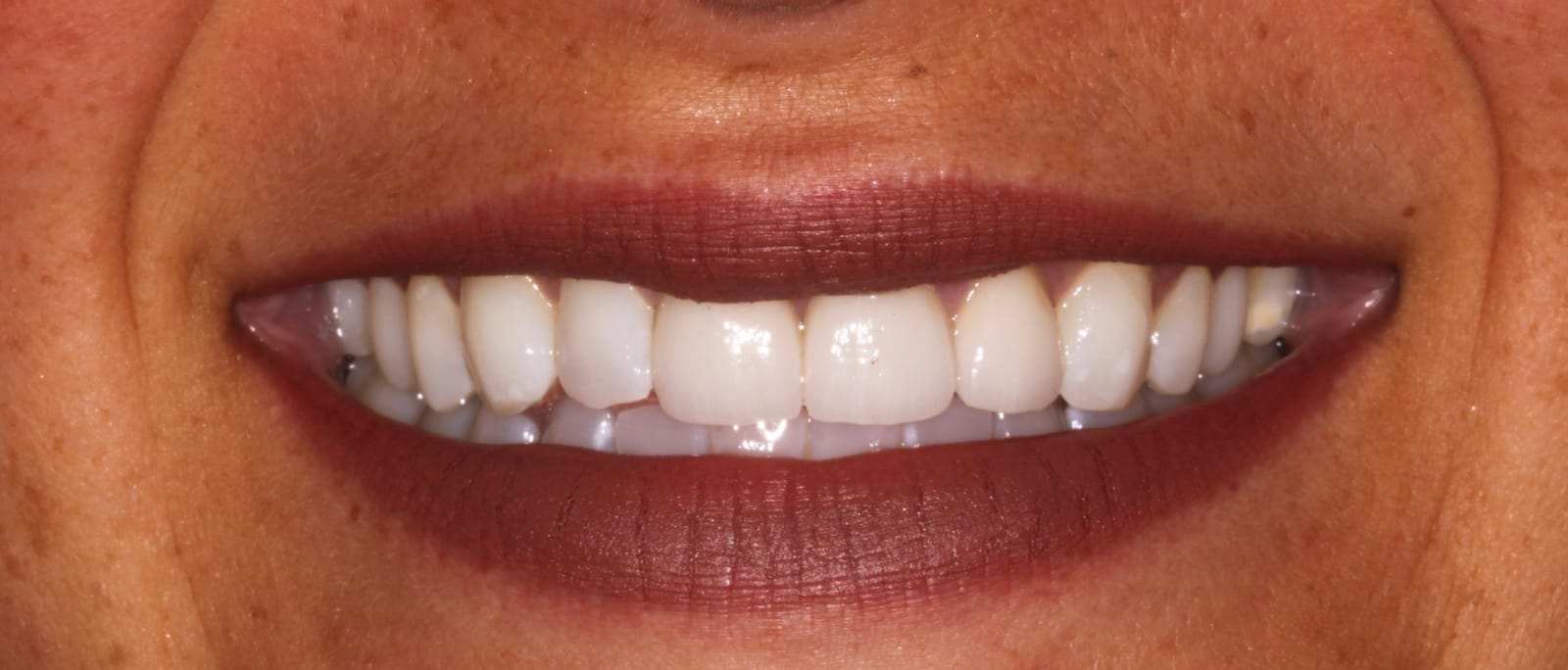
Discuss colour, shape and tooth proportions with the dentist before treatment. A scan, impression, model or trial preview may help communicate the intended changes. The method depends on the case; a digital preview is not a promise of an identical final result.
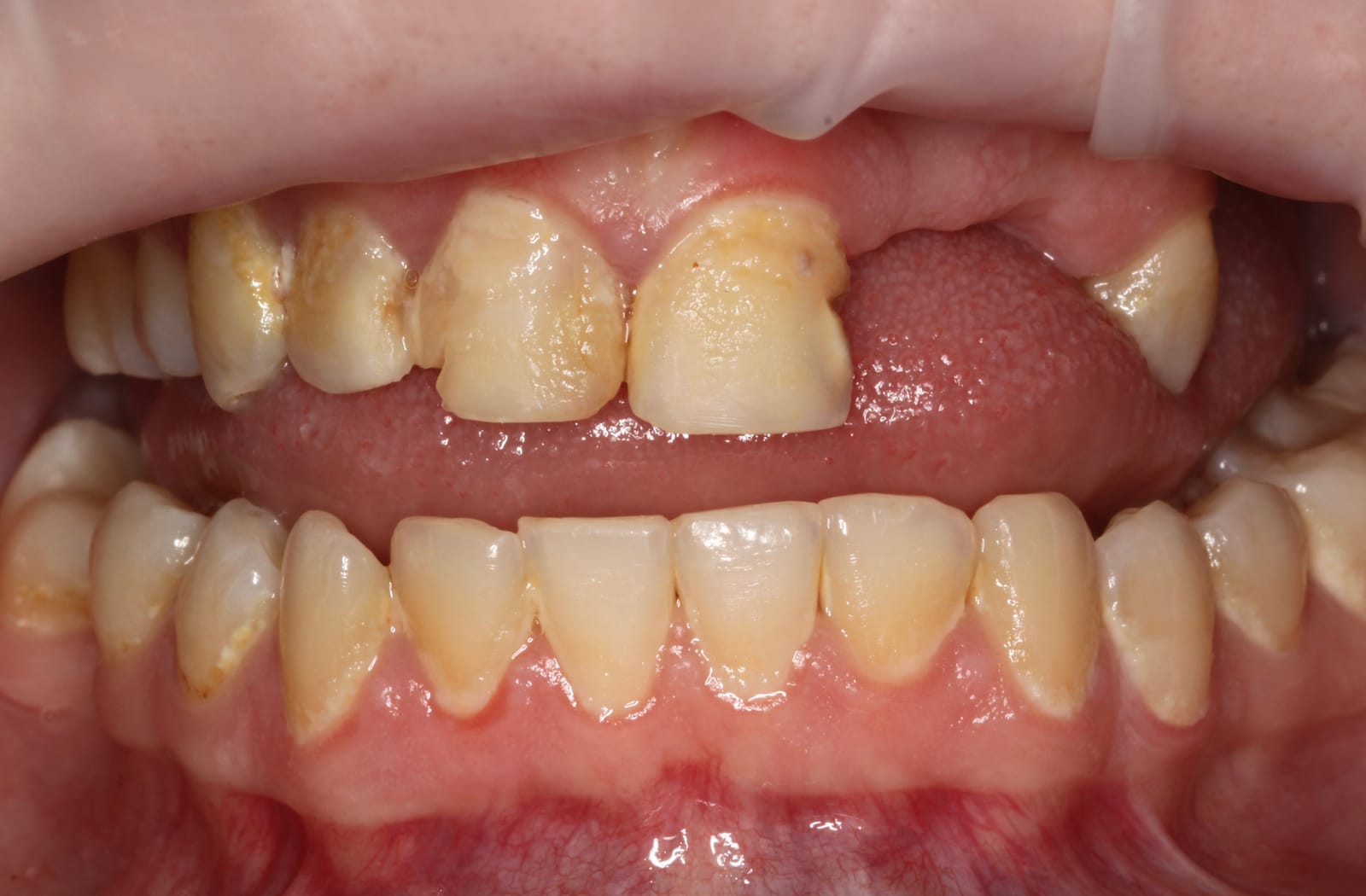
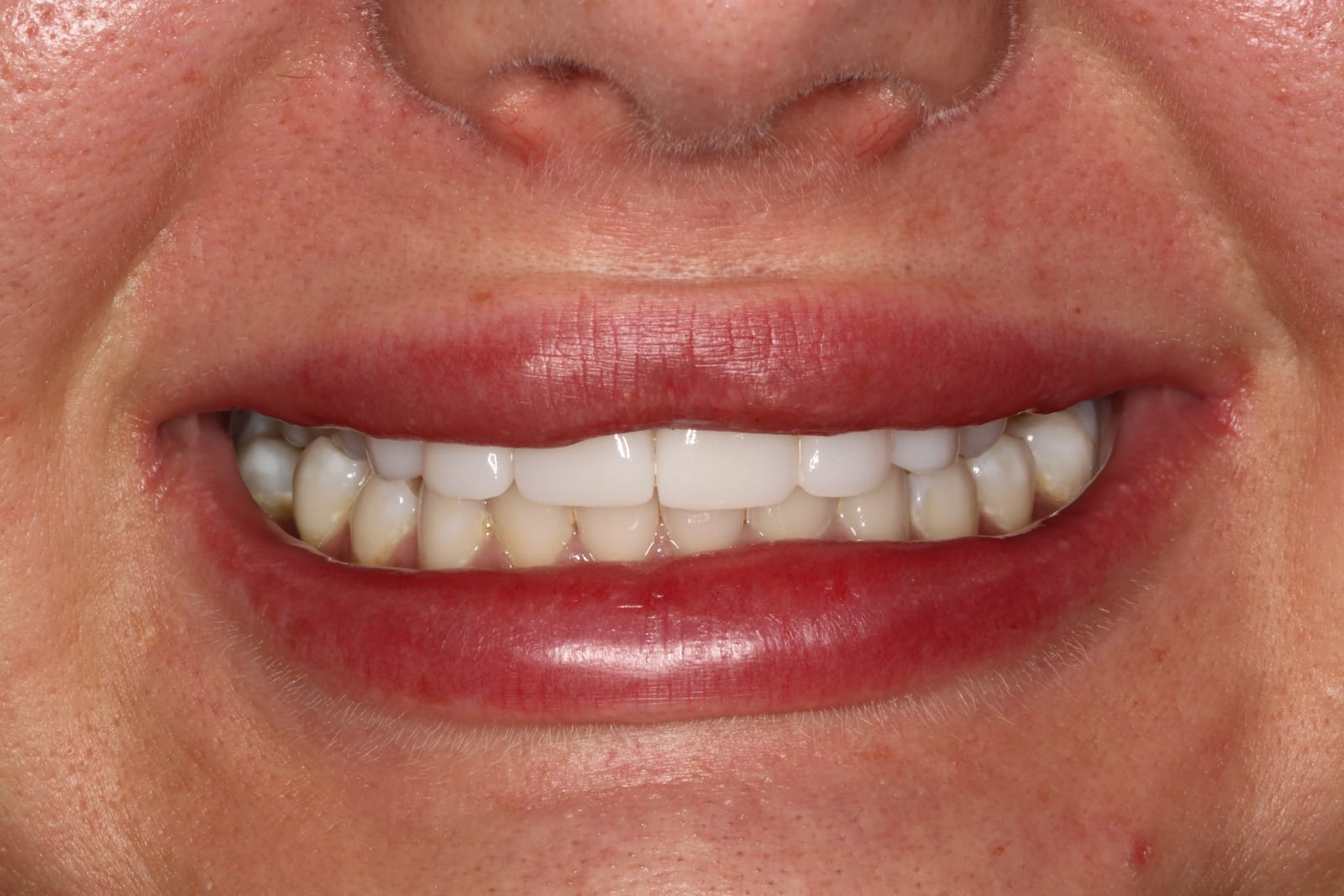
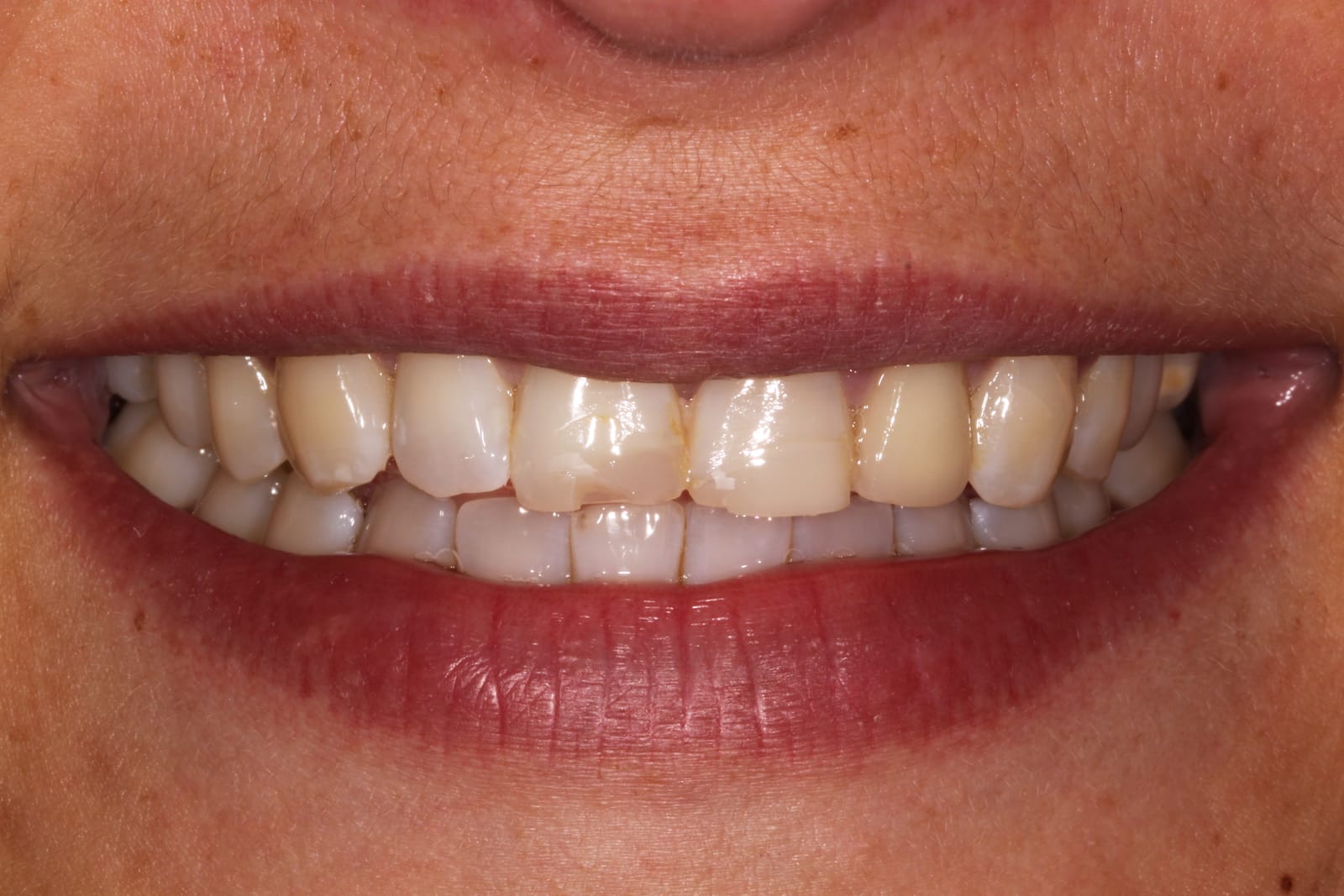
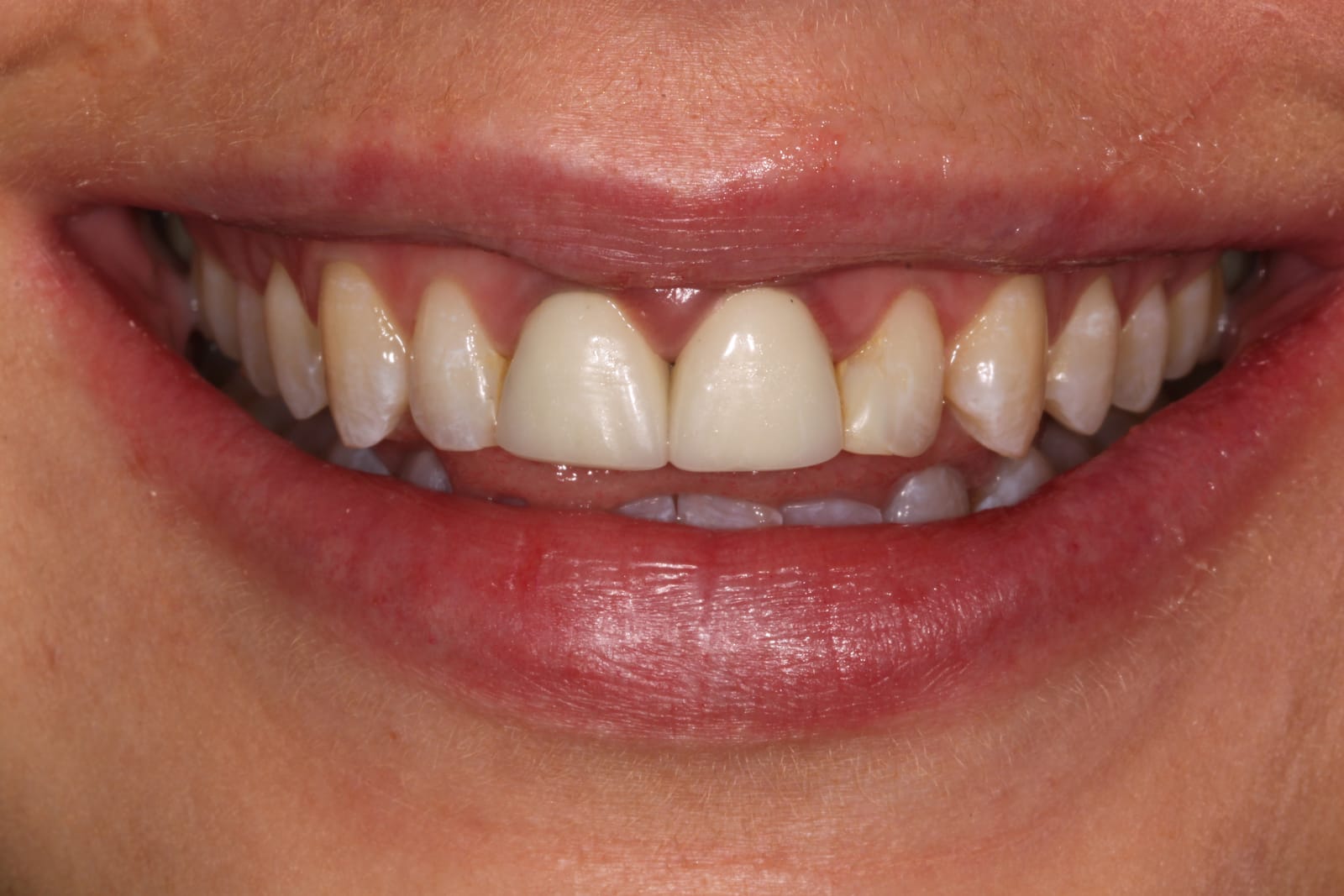
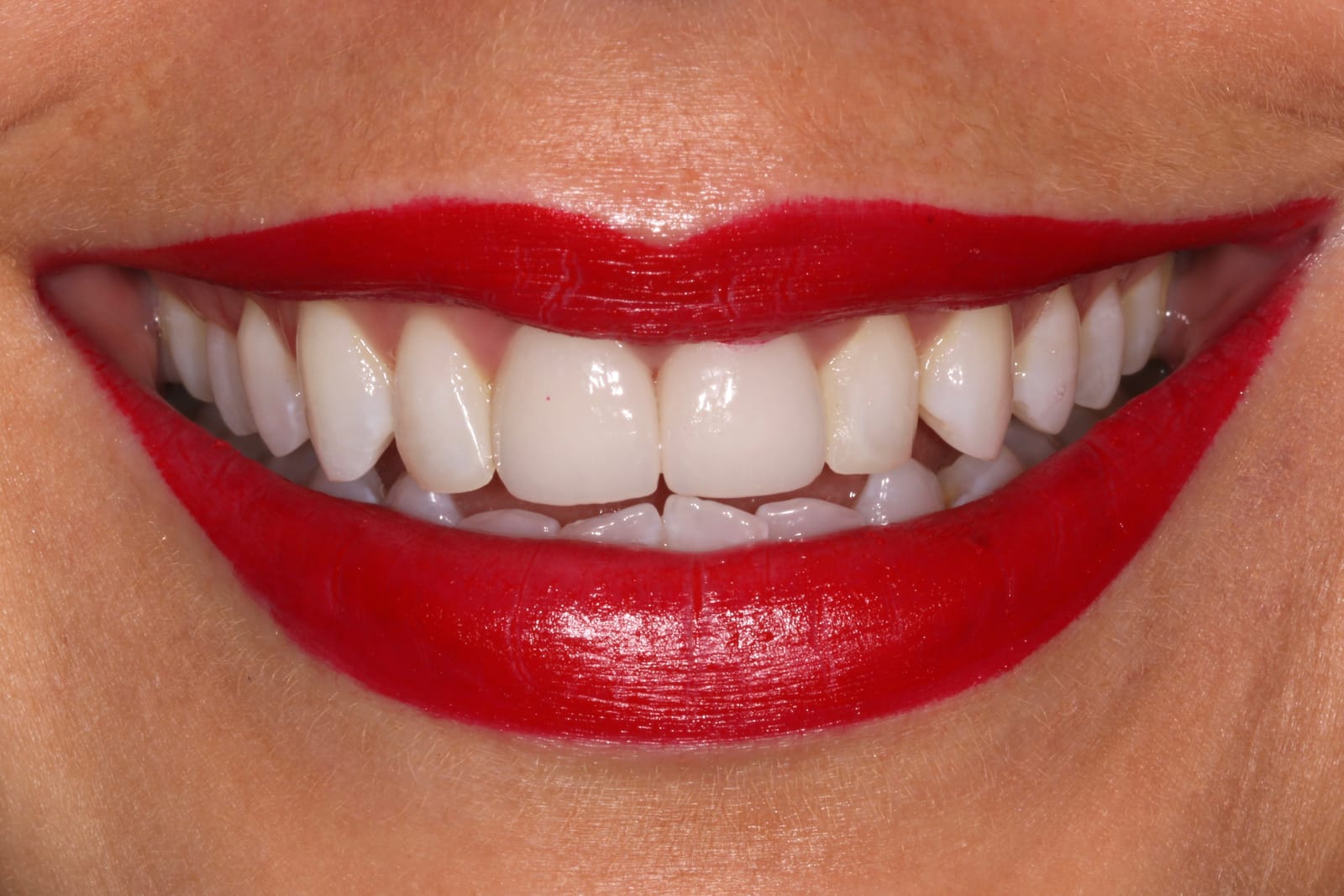
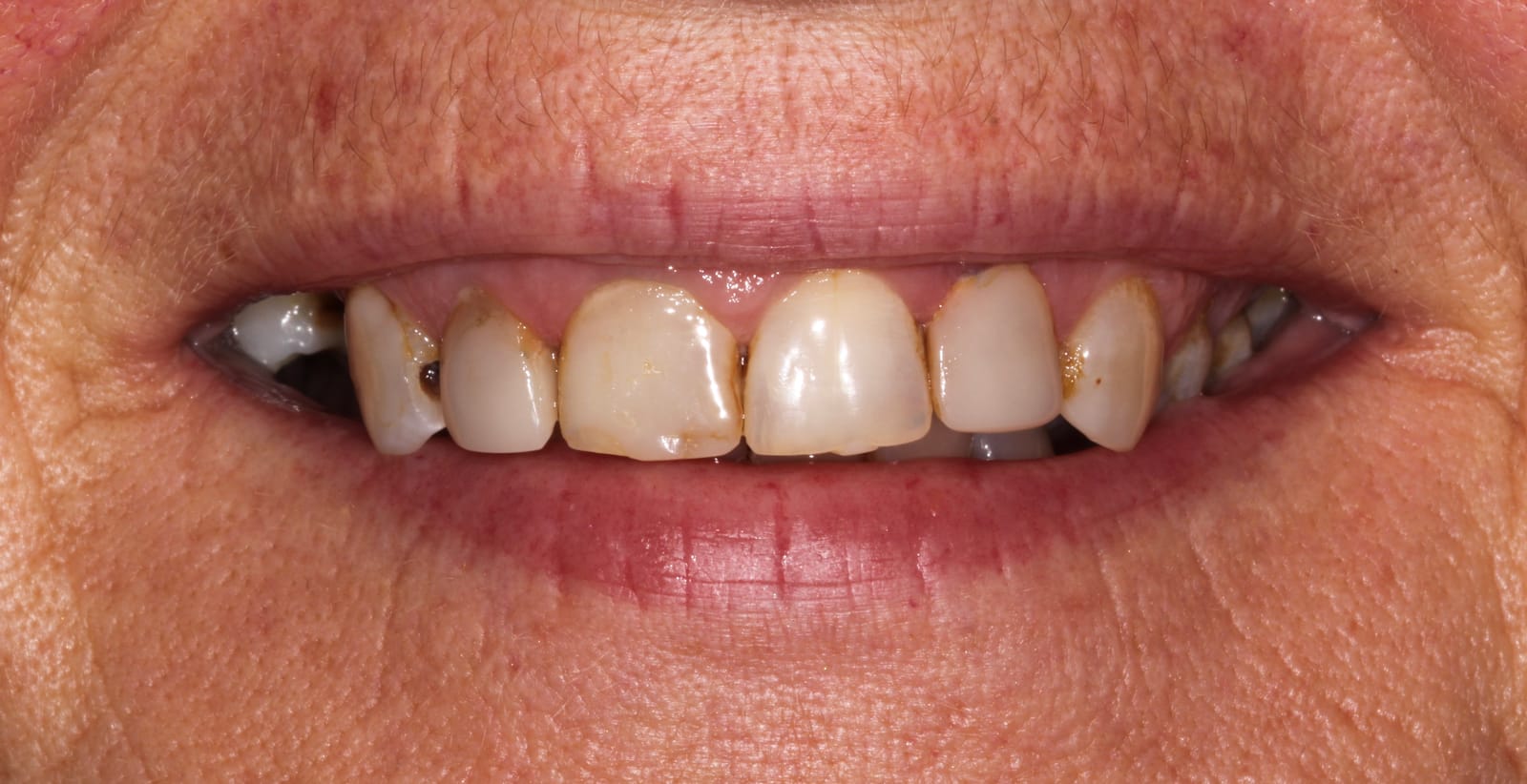
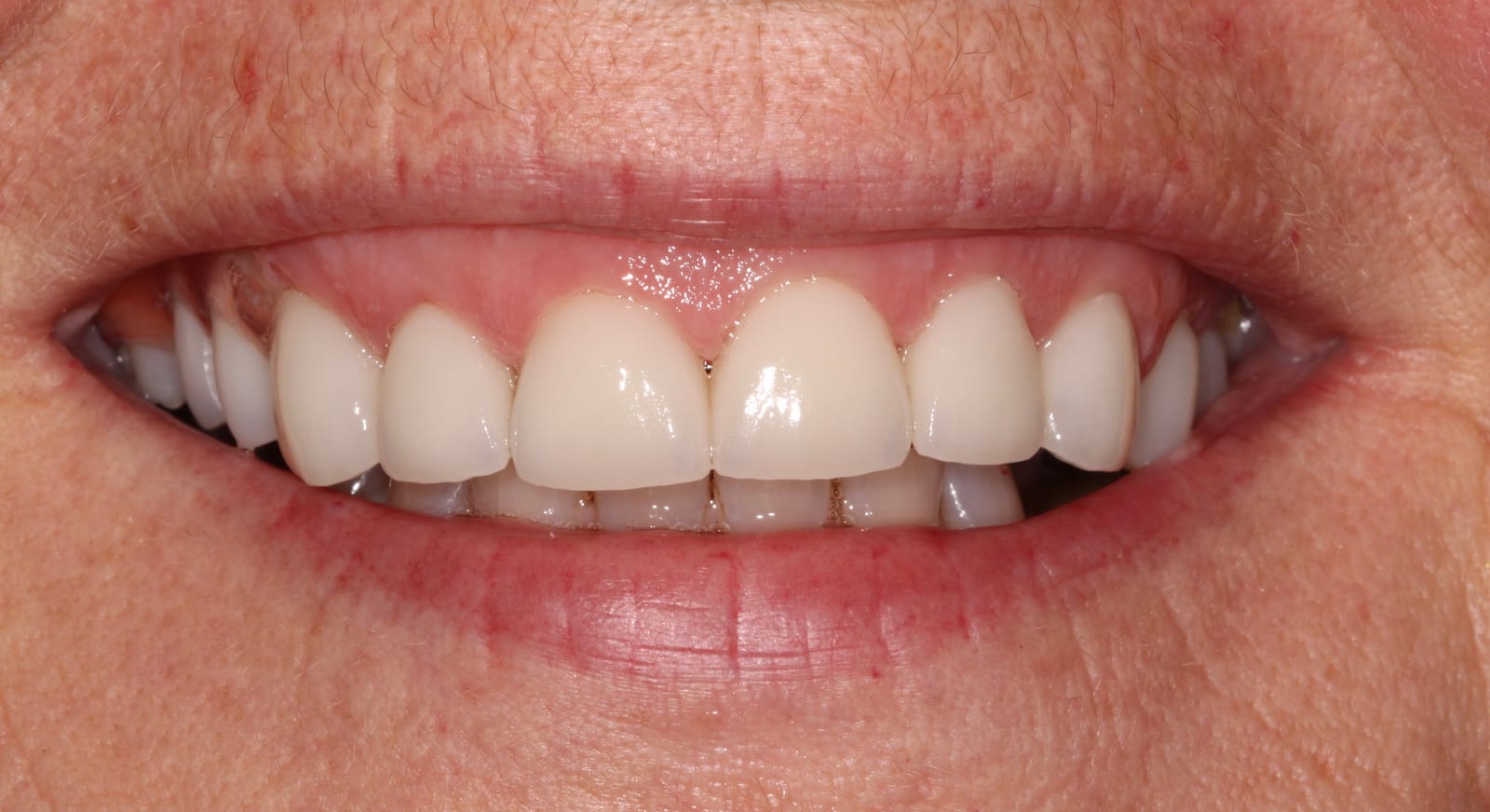
The photographs accompanying this article show the visible appearance of teeth and smiles. Photographs alone cannot show the full clinical history, bite, tooth preparation or long-term condition of a restoration. They should not be used to predict what treatment you need or the result you will achieve.
What should you know before agreeing?
Ask how much preparation is proposed, why each tooth needs treatment and what alternatives would preserve more tooth tissue. Discuss pain control, possible sensitivity and the possibility of further treatment later.
Veneers and crowns can chip, loosen or need replacement. The teeth beneath them still need care and can develop decay. Neither ceramic material nor digital planning guarantees a perfect appearance, a problem-free result or decades of service.
The number of appointments depends on the work involved and any treatment needed first. A full plan may take longer than a simple restoration. Ask for an individual timetable rather than relying on a fixed number of weeks.
Fees and ongoing care
See our prosthodontic fees and ask for a written estimate for your proposed treatment, including preparatory work and follow-up. If you are considering instalments, read the current finance information and check eligibility and terms.
After treatment, follow the team’s cleaning advice and attend reviews at the recommended interval. Tell the dentist if you grind your teeth or notice discomfort, movement or a change in your bite. Contact us to discuss the options for your own teeth.