Underbite: causes, assessment and treatment
Originally published
An underbite is a bite in which the lower front teeth sit ahead of the upper front teeth. Dentists may describe a related bite pattern as Class III. It is different from an overbite, which describes the vertical overlap of the front teeth.
The appearance alone does not tell you what treatment is needed. Tooth position, the relationship between the jaws and the way they meet all need to be assessed.
Why does an underbite develop?
Jaw growth and tooth position can contribute in different ways. In some people the upper jaw is relatively far back, the lower jaw relatively far forward, or both. In others, the position of particular teeth is more important.
There is no reliable way to identify the cause from a photograph or a list of childhood habits. Nor should parents assume that a child’s bite is their fault. Changing food texture, posture or doing exercises at home cannot be relied on to correct a jaw discrepancy.
An orthodontic examination helps distinguish these situations and considers how a child’s bite may change as they grow.
When should it be checked?
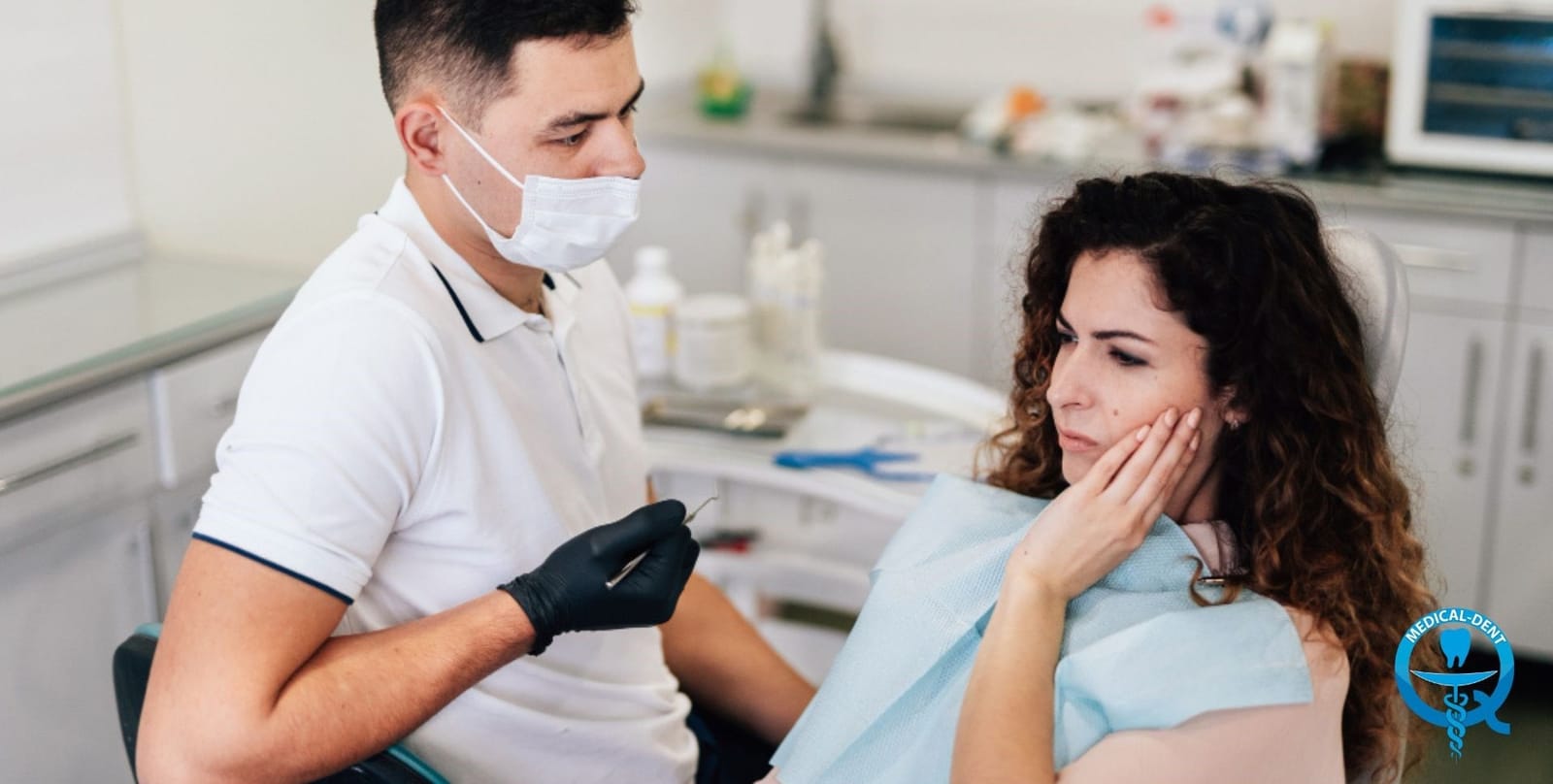
Ask your dentist if you notice the lower teeth biting ahead of the upper teeth, difficulty biting food, unusual tooth wear or a change in the way the teeth meet. You do not need to wait until every adult tooth has appeared before raising a concern about a child’s bite.
Some people have few symptoms. An underbite does not inevitably cause headaches, digestive illness or tooth loss. If you have jaw pain or headaches, these symptoms need their own assessment rather than being attributed automatically to the bite.
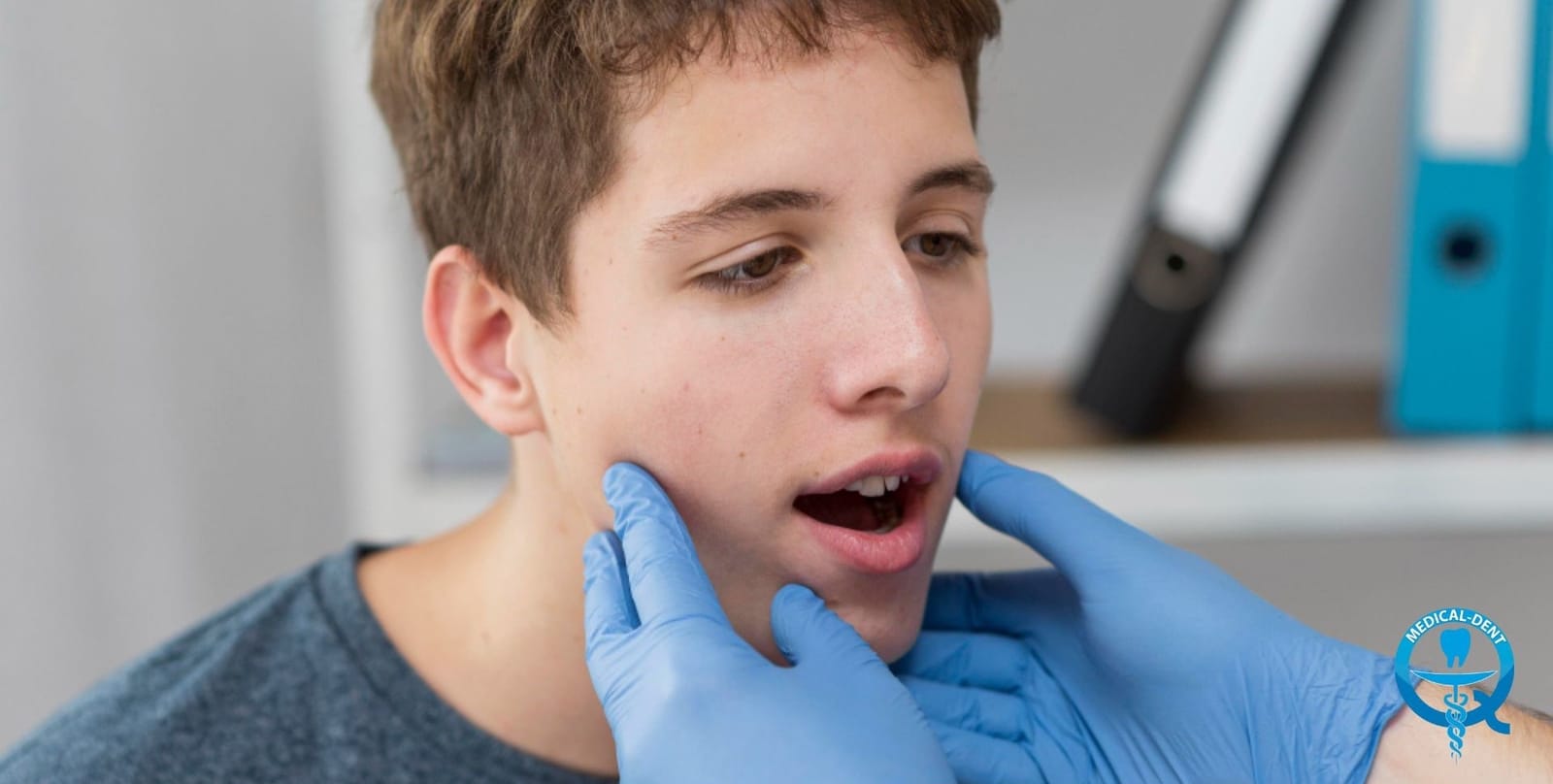
At an assessment, the clinician checks the teeth, gums, bite and jaw movement. Photographs, scans, impressions or X-rays may be needed to plan treatment. The discussion should include what bothers you, the likely benefits, limitations and the option of monitoring where appropriate.
Treatment during childhood
Early assessment can identify children who may benefit from treatment while they are growing. The timing and appliance depend on the individual problem; treatment is not always started at the first visit.
Some approaches aim to improve the relationship between the jaws during growth, while others move teeth. Early treatment cannot guarantee that further braces or jaw surgery will never be needed. Continued growth and follow-up matter.
The NHS guide to braces explains how referral to an orthodontist works. Ask the treating team what they expect an appliance to achieve and what would happen if treatment were delayed.
Options for adults
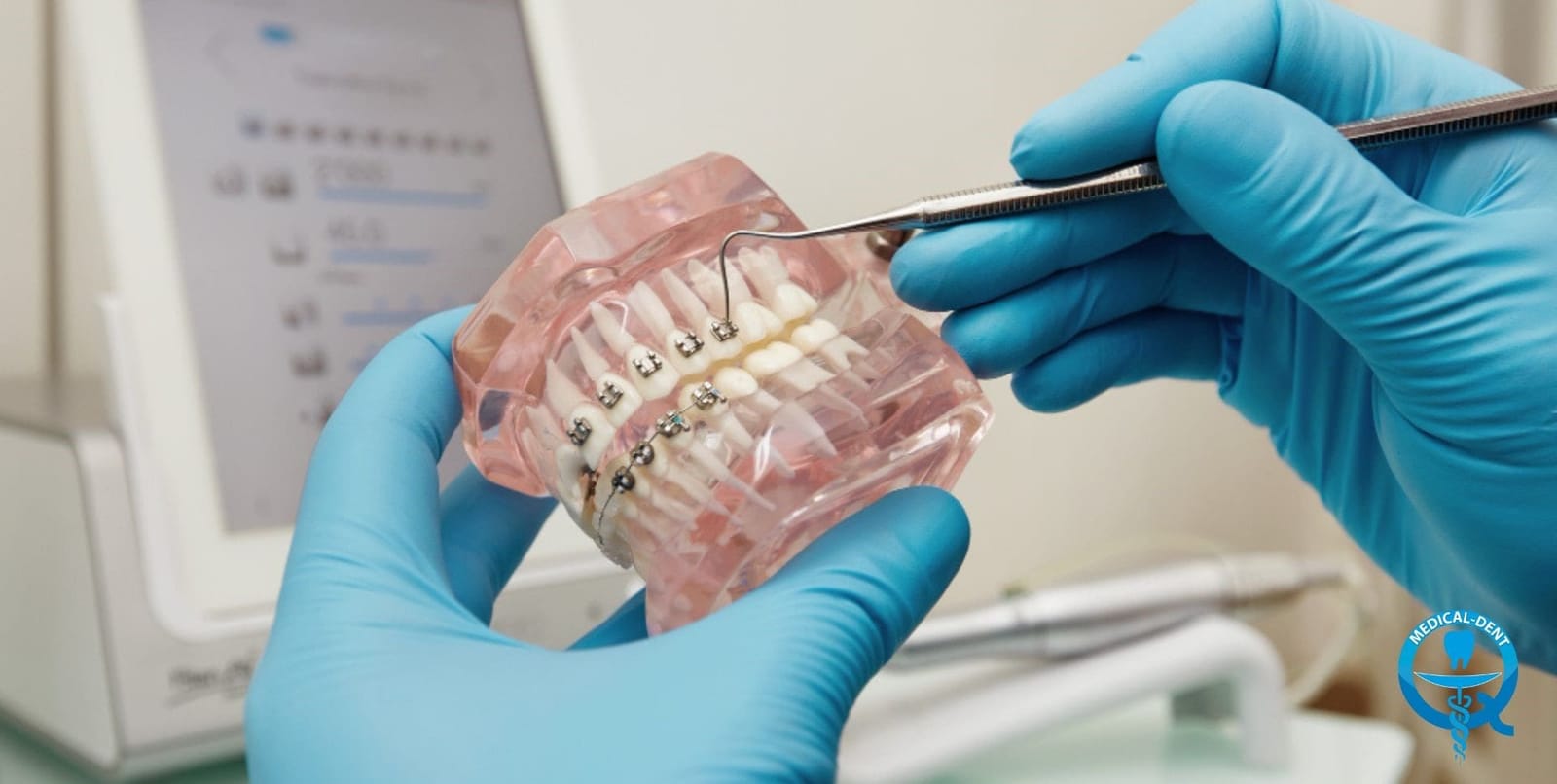
Braces can improve tooth position in selected cases. When a substantial difference in jaw position cannot be corrected adequately with braces alone, a specialist team may discuss combined orthodontic treatment and corrective jaw surgery.
This is a major course of care, usually considered after growth is complete. It needs a separate assessment of benefits, risks, recovery and alternatives. Not every adult with an underbite needs an operation.
The Bristol Dental Hospital guide explains this specialist treatment. It should not be confused with routine tooth extraction or priced using a general oral surgery fee list.
Planning care and costs
Start with an assessment and ask for a written plan covering the proposed stages, follow-up and retention after braces. Our orthodontic fees provide an outline of listed services. Any hospital or specialist surgical treatment needs its own arrangements and estimate.
If you are considering finance for eligible practice treatment, read the current finance information and check the terms before applying. Contact the practice to discuss an initial appointment and any referral that may be needed.