Underbite and a prominent lower jaw: assessment and treatment
Originally published
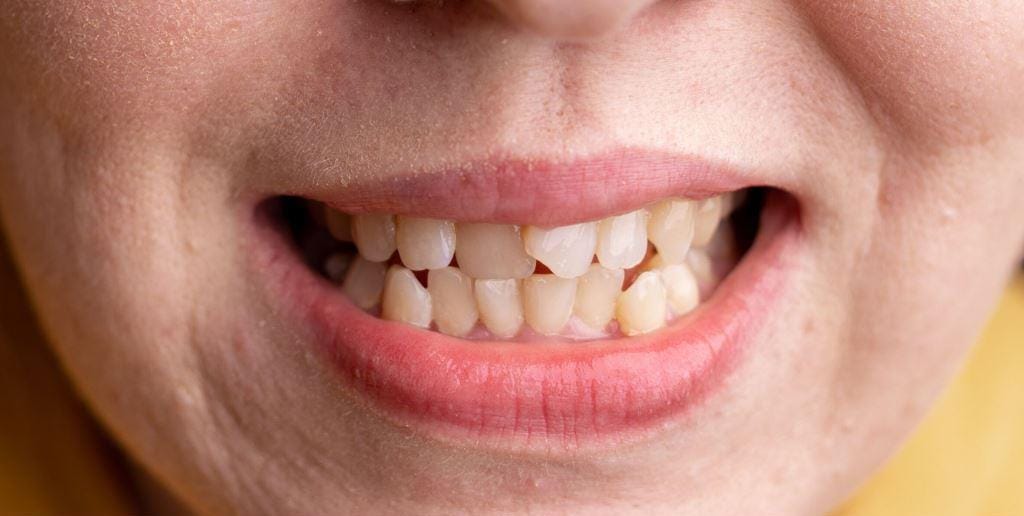
An underbite means the lower front teeth sit ahead of the upper front teeth when the mouth closes. A prominent lower jaw, sometimes described as mandibular prognathism or “progenia”, can be one reason for it. The upper jaw and the positions of the teeth also matter, so appearance alone cannot identify the cause.
Some people have difficulty biting or chewing; others are mainly concerned about how their teeth or profile look. Treatment depends on the underlying problem, age and what the person wants to change.
What causes an underbite?
Jaw size and growth patterns can run in families. An underbite may involve a relatively forward lower jaw, an upper jaw that sits further back, tooth positions or a combination of these. A dentist or orthodontist needs to assess how the teeth meet and whether the jaw shifts as the person bites.
It is not helpful to blame a child’s diet, dummy use or a presumed vitamin D deficiency for a skeletal underbite without an assessment. General advice about nutrition and oral habits is not a treatment for a jaw size discrepancy.
If your child’s lower teeth bite in front of the upper teeth, mention it to their dentist rather than waiting for all the adult teeth to appear. Some developing bite problems benefit from early orthodontic assessment. This does not mean every child needs immediate treatment or that early treatment can guarantee surgery will never be needed.
What problems can it cause?
An uneven bite may make biting food difficult or place extra wear on particular teeth. Crowded areas can be harder to clean, although an underbite does not automatically cause decay or gum disease. Daily brushing, cleaning between teeth and regular dental care remain important.
Some people feel self-conscious about their profile. That concern deserves a careful discussion, without assuming that a different appearance is unhealthy or promising that treatment will transform confidence.
Headaches, hearing changes and dizziness should not automatically be attributed to the bite. These symptoms may need medical assessment. Correcting an underbite is not a guaranteed treatment for jaw joint pain or other symptoms elsewhere in the head and neck.
Braces, monitoring or jaw surgery?
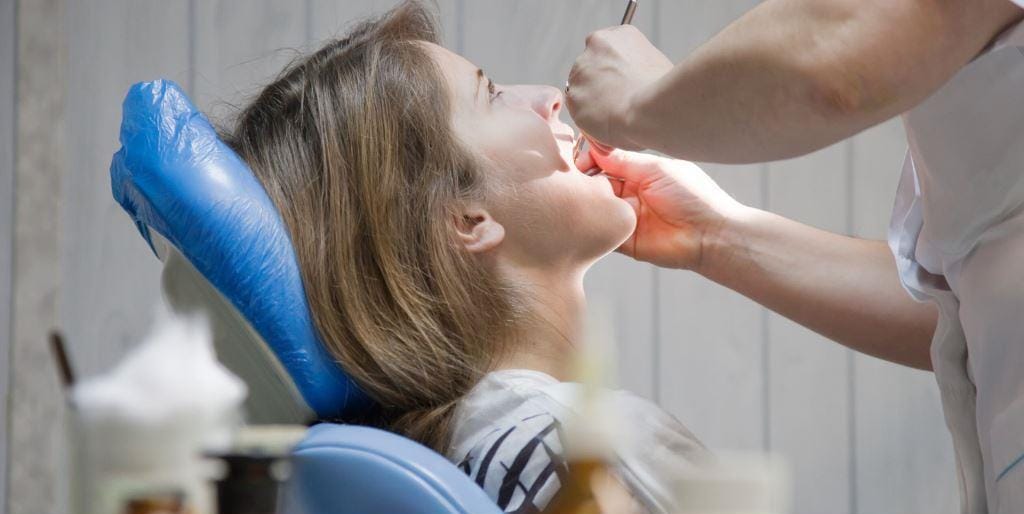
The assessment may involve photographs, records of the teeth and appropriate X-rays. The clinician will explain what can be changed with tooth movement, what relates to jaw growth or position, and the limits of each option.
Depending on the case, options can include monitoring, treatment during growth, or braces to improve tooth position. Where a substantial jaw discrepancy cannot be corrected with braces alone, a specialist team may discuss combined orthodontic treatment and orthognathic surgery. Jaw surgery is generally planned once growth is sufficiently complete.
An operation may reposition the upper jaw, lower jaw or both. It is not always a matter of shortening the lower jaw, and chin surgery is a separate consideration. Royal Devon’s guide to jaw realignment explains the role of a joint orthodontic and surgical team.
Treatment can take several years, including braces before and after an operation. The team should explain the expected timeline, recovery, alternatives and risks. These can include infection, changes in sensation that may persist, and some movement back towards the original position. Retainers and follow-up are part of maintaining the result.
After surgery, eating, cleaning and the use of elastics or other support follow the surgeon’s instructions. Teeth are not “stitched together”, and no single recovery diet or period applies to every operation.

Arranging an assessment and discussing costs
Start with a dental assessment and, where appropriate, a referral to an orthodontic or maxillofacial team. Hospital jaw surgery requires specialist planning; a consultation at our practice does not mean that the operation would be performed here.
Ask for a written plan showing the proposed care, who will provide each stage and the costs involved. Do not assume that a standard braces fee covers surgery, hospital care or every follow-up appointment.
For any eligible private treatment at our practice, see the current finance information. Finance is subject to eligibility, status and affordability checks; it is not automatically available for every treatment pathway.
You can contact us to discuss an initial dental appointment and the appropriate next step.