How to manage toothache during pregnancy
Originally published
If you develop toothache during pregnancy, contact a dentist. Pregnancy is not a reason to leave pain or a possible infection untreated. Tell the dental team that you are pregnant, how far along you are and which medicines you take.
You can use temporary measures while arranging care, but they do not repair decay or treat the cause of an infection. A dentist can identify the problem and plan appropriate treatment with you.
When to get help
Arrange an assessment for toothache that persists or keeps returning. Seek urgent dental advice if pain is severe or not controlled, or if you develop swelling, a fever, a bad taste or feel unwell. If you cannot get an urgent dental appointment, contact NHS 111.
Go to A&E if swelling affects the area around your eye or neck, or makes it difficult to breathe, swallow or speak. Call 999 if you need an ambulance.

What can cause toothache in pregnancy?
Decay, a cracked tooth, a damaged filling or inflammation inside a tooth can cause pain, just as they can outside pregnancy. Hormonal changes may make the gums more sensitive to plaque, causing swelling and bleeding. These changes do not explain every toothache, so new pain should not simply be put down to hormones.
Vomiting and reflux can expose teeth to stomach acid and contribute to enamel wear or sensitivity. Tell your dentist and maternity team if this is frequent so they can advise you.
A painful tooth does not mean that your pregnancy will be harmed. Dental infections still need prompt assessment, but claims that ordinary toothache inevitably causes miscarriage or premature birth are misleading.
Pain relief while you wait
Paracetamol is generally the first-choice medicine for mild to moderate pain during pregnancy. Check with a pharmacist, midwife or doctor that it is suitable for you, and follow the product instructions and any professional advice. Avoid taking more than one product containing paracetamol.
Do not self-treat with ibuprofen or other anti-inflammatory painkillers during pregnancy. They may be unsuitable, particularly from 20 weeks onwards, and should only be used if your doctor specifically advises it. Do not stop a medicine already prescribed for you without checking with the prescriber.
Choose soft foods and avoid chewing on the painful side. If cold helps, a cool pack wrapped in a cloth against the outside of your cheek may provide brief relief; do not place ice directly on the skin or tooth. Stop if it makes the discomfort worse.
Do not assume that herbal rinses, essential oils or other homemade remedies are safer than an appropriately chosen medicine. Check any product with a pharmacist or your maternity team, and never put aspirin directly on the gum.

Dental treatment during pregnancy
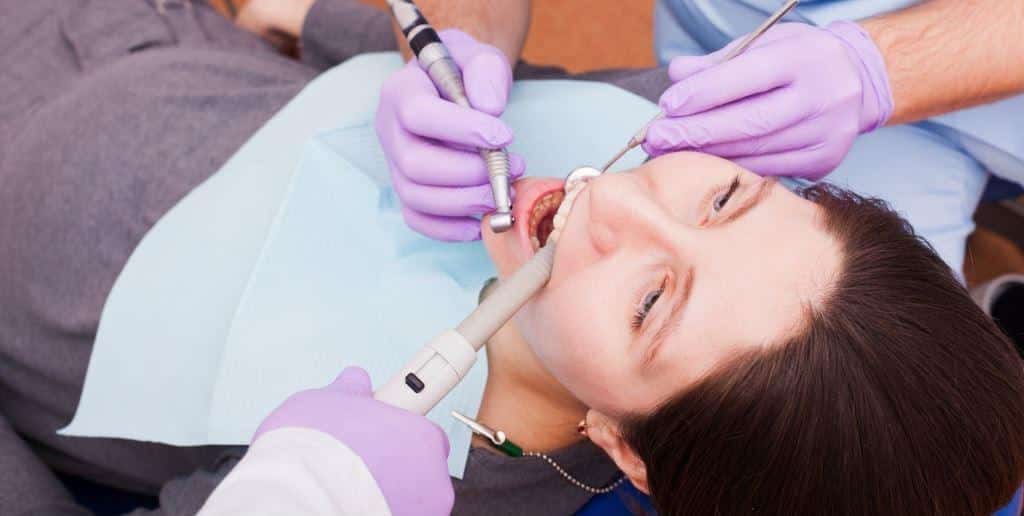
Necessary dental care can be provided during pregnancy, including fillings, root canal treatment and extractions when indicated. Local anaesthetic can be used. Your dentist will choose an appropriate approach and discuss any relevant medical concerns; treatment should not automatically be postponed until after the birth.
Dental X-rays are not subject to a blanket ban in pregnancy. If an image is needed to diagnose or treat a problem, the dentist will explain why and take the appropriate precautions. Tell the team about your pregnancy before imaging or treatment.
Elective cosmetic treatment, such as whitening, can wait. Other non-urgent work may also be scheduled later after discussion, but that is different from delaying care for pain or infection. Review appointments should reflect your dental needs rather than a compulsory visit in every trimester.
Caring for your mouth day to day
Brush gently twice a day with fluoride toothpaste, spit out afterwards and avoid rinsing straight away. Clean between your teeth daily. You do not need to scrub after every meal or remove every bacterium to protect your mouth.
After vomiting, rinse with water and avoid brushing immediately afterwards. Ask your dental team for advice if sickness makes cleaning difficult. Professional cleaning can be arranged when needed, alongside your usual preventive care.
Contact our practice if you have toothache or need to discuss dental care during pregnancy. Let us know about any swelling or other urgent symptoms when you book.