
Temporary fillings in the UK: why they are used and what they cost
Originally published
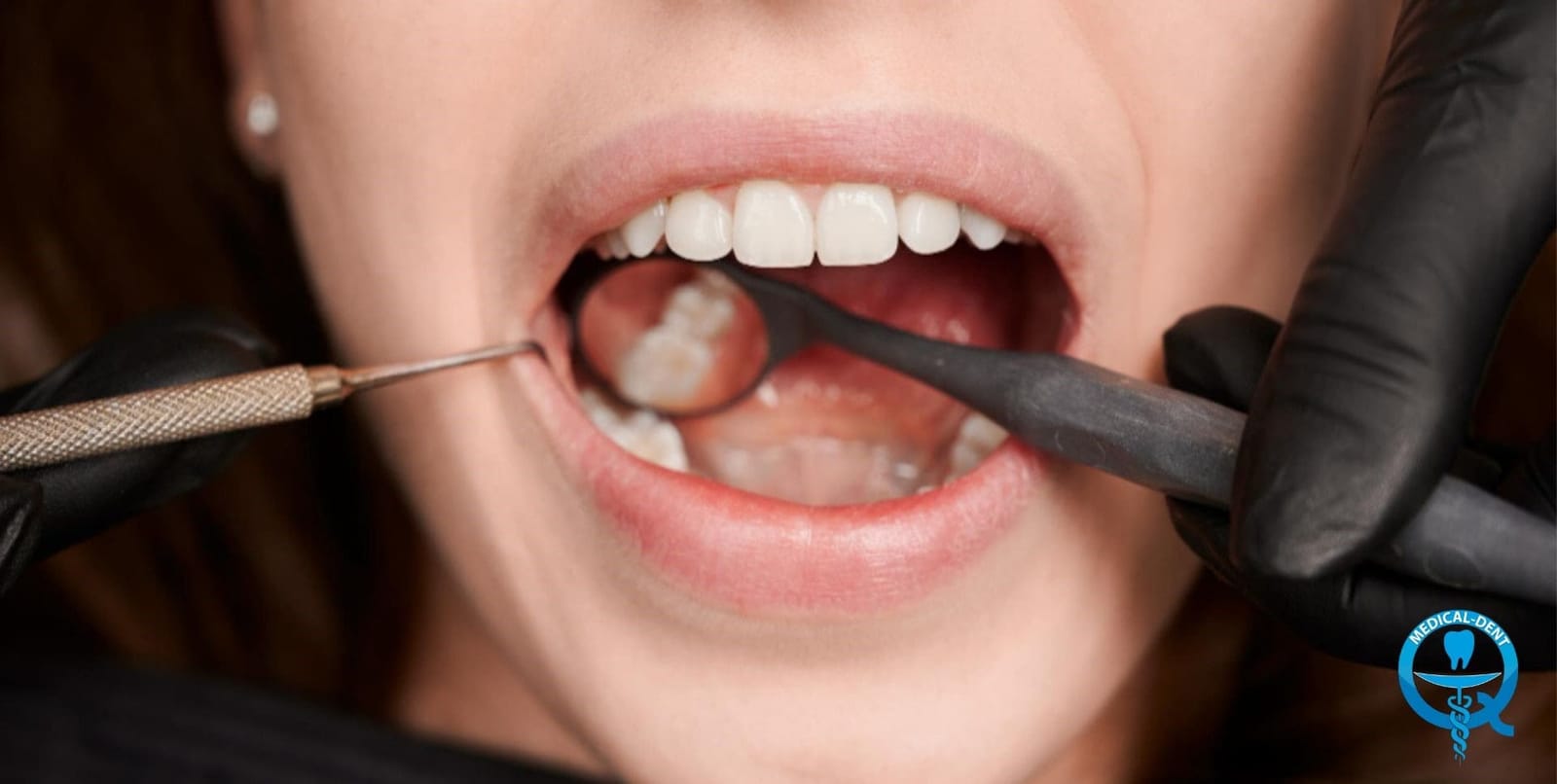
A temporary filling closes and protects a tooth while treatment is still in progress. It may be used between appointments or after urgent care until the dentist can complete the planned treatment.
It is an interim measure. Even if the tooth feels comfortable, you still need the follow-up your dentist recommends.
Why might you need one?
During root canal treatment, a temporary filling may seal the tooth between visits. It can also be used when the dentist needs to review the tooth or complete treatment in stages. The reason and timing should be explained for your particular situation.
Treatment may sometimes be divided into shorter appointments for a child or another patient who needs a more manageable visit. That does not mean every staged treatment needs the same material or approach.
Different materials can be used for a temporary filling. Your dentist selects one for the purpose of the treatment and the planned interval before review.
A temporary filling is not a general treatment for uncontrolled bleeding. Bleeding can make some restorative procedures difficult, but the dentist must assess its cause and manage it appropriately before deciding how to protect the tooth.
How long can it stay in place?
Follow the date given by your dentist rather than a universal limit of a few weeks. Some temporary materials are intended for a short interval; the appropriate timing depends on the treatment and the condition of the tooth.
Temporary fillings can wear, loosen or break. If the seal is lost, the tooth may become contaminated or damaged. Do not wait for pain before reporting a lost filling. Contact the practice if your next appointment is delayed so the team can advise whether the tooth needs checking sooner.
The next step is not always an immediate composite filling. It may be further root canal treatment, reassessment or a different restoration such as a crown. Long-term fillings also need care and review; no filling has a guaranteed lifespan of three to ten years.
Looking after the tooth
Follow the instructions about eating after placement, because materials set differently. Take care while your mouth is numb. Until advised otherwise, avoid biting hard or sticky foods on that tooth and keep it clean with gentle brushing.
Do not pick at the filling or try to remove it yourself. If it feels too high when you bite, breaks or comes out, contact the dentist. Severe or worsening pain, swelling, fever or a bad taste also needs prompt advice. NHS 111 can help if you cannot access urgent dental care. Severe swelling affecting breathing or swallowing, or heavy bleeding that will not stop, needs emergency help through 999 or A&E.

Fees and completing treatment
Our listed fee for a temporary filling is £100. The price list describes this interim treatment as having no guarantee. It is not the fee for completing root canal treatment or placing the final restoration.
For comparison, the listed fee for a small composite filling is £150. This is a specific filling category, not the cost of every possible final restoration. Your dentist should explain what further treatment is needed and provide an estimate. See our dental treatment fees.
If you are considering instalments, read the current finance terms; eligibility and approval conditions apply. Contact us if a temporary filling is causing problems or you need to arrange the next stage of care.