
Temporary fillings in baby teeth: what parents need to know
Originally published
A temporary filling, sometimes called a dressing, may be used to protect a baby tooth between stages of treatment. It is a planned short-term measure, not a reason to forget about the tooth once the pain settles.
Baby teeth help children eat and speak, and they have a role in the developing dentition. Decay still needs care even when a tooth will eventually fall out. The most suitable approach depends on the damage, any pain or infection, and how close the tooth is to being lost naturally.
Why might a dressing be used?
Sometimes the dentist needs to stabilise a tooth before completing treatment. A child may need shorter appointments or time to become comfortable with care. In other cases, the dentist may need to review symptoms or provide treatment in stages.
A dressing is not suitable for every painful tooth. If the pulp, the tissue inside the tooth, is affected, a filling alone may not resolve the problem. Depending on the findings, a longer-term restoration, treatment of the pulp or removal of the tooth may be needed. The dentist should explain the options and agree the next step with you.
What happens at the appointment?
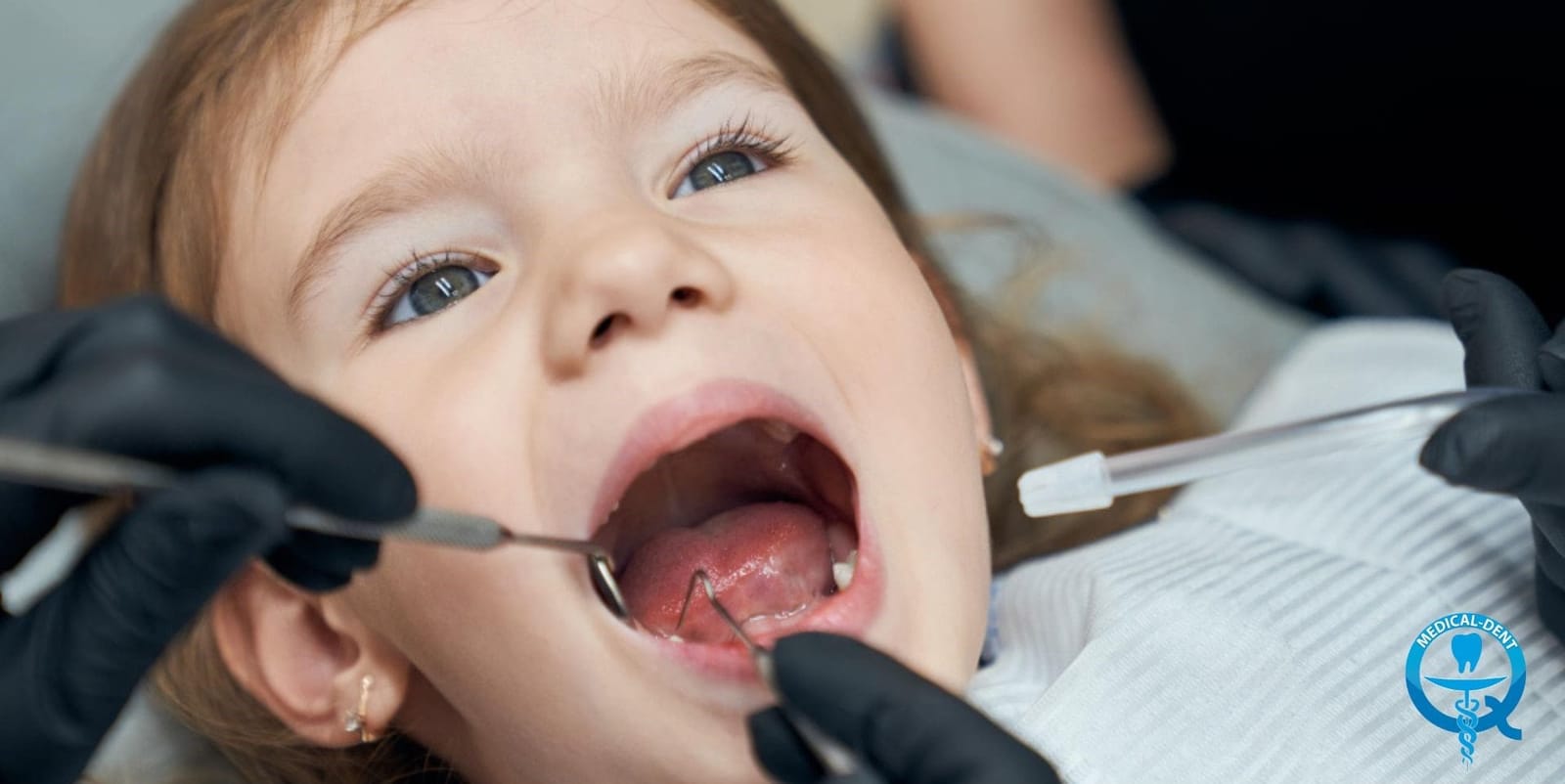
The dentist examines the tooth and may take an X-ray if it will help guide treatment. The amount of decay removed and the material used depend on the clinical situation. Medicine is not automatically placed directly on the pulp whenever a temporary filling is fitted.
Local anaesthetic or other support may be needed to keep your child comfortable. Avoid promising that the appointment will definitely be painless or finished immediately. It is more helpful to explain simply what will happen and agree a signal your child can use if they need a pause.
Before leaving, ask how long the dressing is intended to stay, when your child should return and what to do if symptoms change. There is no single safe waiting period for every temporary filling. Do not extend the interval just because the tooth stops hurting.
Looking after the tooth at home
Follow the dentist’s advice about eating while the material sets. If the mouth is numb, supervise your child so they do not bite their lip or cheek, and avoid chewing until normal sensation returns.
Keep brushing gently with an age-appropriate amount of fluoride toothpaste. Avoid hard or sticky foods that could pull out or break the dressing, and discourage picking at it. The aim is to protect the tooth while keeping the mouth clean, not to stop brushing the treated area altogether.
If the filling comes out or the pain returns
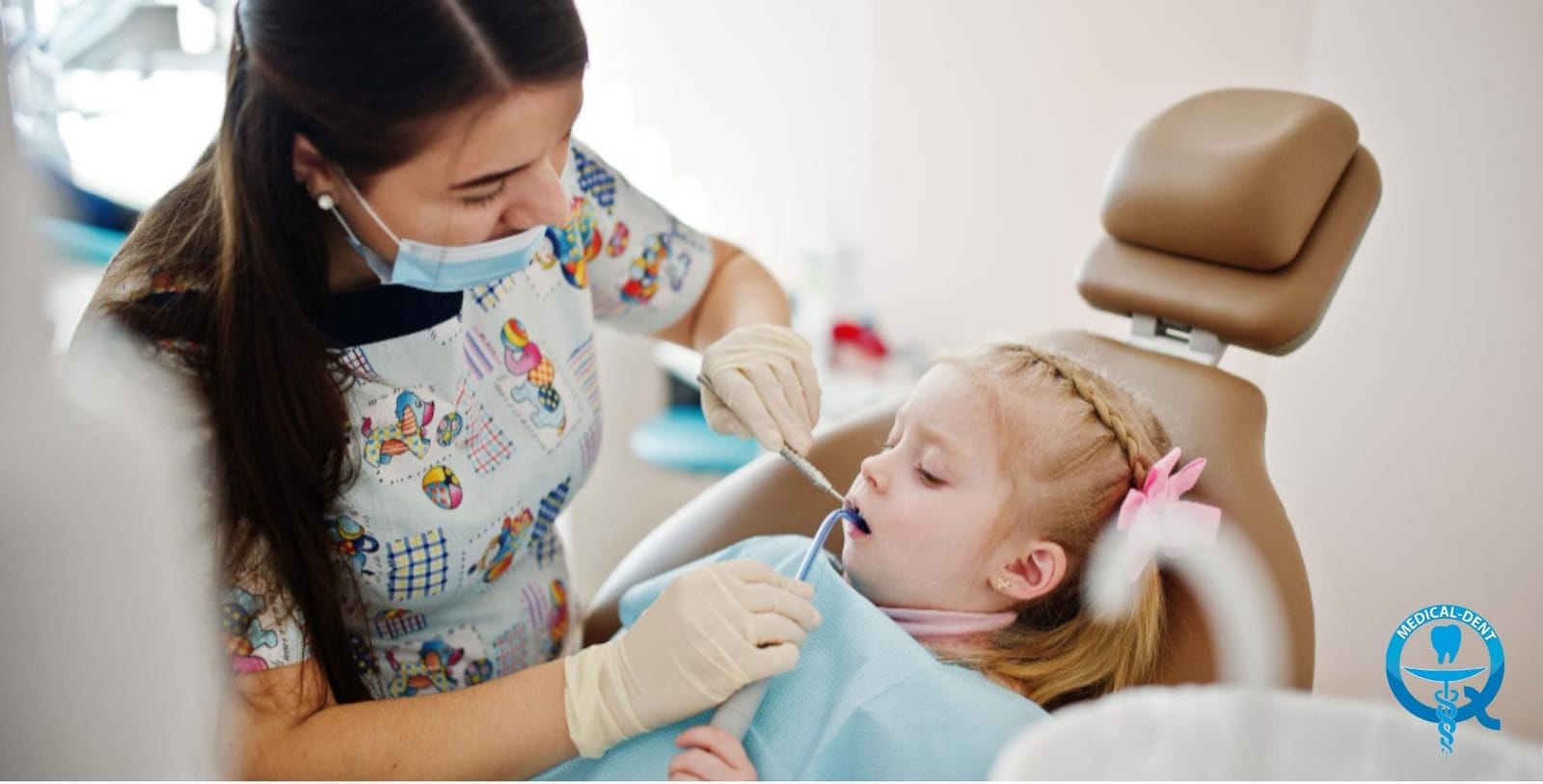
Contact the practice promptly if the dressing falls out, breaks or feels too high when your child bites. Explain whether there is pain, swelling or fever so the team can decide how quickly your child needs to be seen. Do not try to pack or medicate the tooth yourself without dental advice.
Increasing pain, facial swelling, fever or a child who seems unwell needs urgent dental advice. If you cannot reach a dentist, call NHS 111. Call 999 or go to A&E for difficulty breathing or swallowing, swelling affecting the eye, or substantial swelling in the mouth. Do not wait for the planned follow-up appointment in these situations.
A temporary dressing may make a tooth more comfortable, but it cannot guarantee immediate relief or eliminate an infection on its own. Attend the arranged review so the dentist can complete treatment or change the plan if needed.
For more information, see NHS advice on dental abscesses. Contact the practice if you have questions about your child’s dressing or next appointment.