
Temporary dentures: what to expect during treatment
Originally published
A temporary denture is a removable replacement for one or more missing teeth during a stage of treatment. It can help with appearance, speech and eating while the gums heal or a longer-term restoration is planned.
It may take time to get used to, and it will not necessarily feel or function like your natural teeth from the first day. Your dentist should explain what it is intended to do and what its limitations are.
When might a temporary denture be used?
An interim denture may be useful after extractions or while waiting for another restoration. An immediate denture is made before planned extractions and fitted when the teeth are removed. This needs advance planning; it is not something that can always be provided after an unexpected extraction.
A temporary denture can replace a single tooth, several teeth or a whole arch, depending on the plan. Other temporary options may be possible in some circumstances. There is no single solution that is suitable for every gap or treatment sequence.

Preparation and fitting
The dentist assesses the remaining teeth, gums and bite, and discusses what the denture needs to achieve. Impressions or a scan provide a record for the dental technician. The number of appointments and production time depend on the work involved.
A denture made before extractions has an important limitation: its fit must allow for the changes after the teeth are removed. As swelling settles and the gums and bone change shape, adjustments, relining or replacement may be needed. A reline changes the surface that rests against the gums to improve the fit.
A temporary denture does not guarantee that neighbouring teeth will stay in exactly the same position. Your dentist should monitor the bite and the overall treatment plan rather than relying on the denture alone to prevent changes.
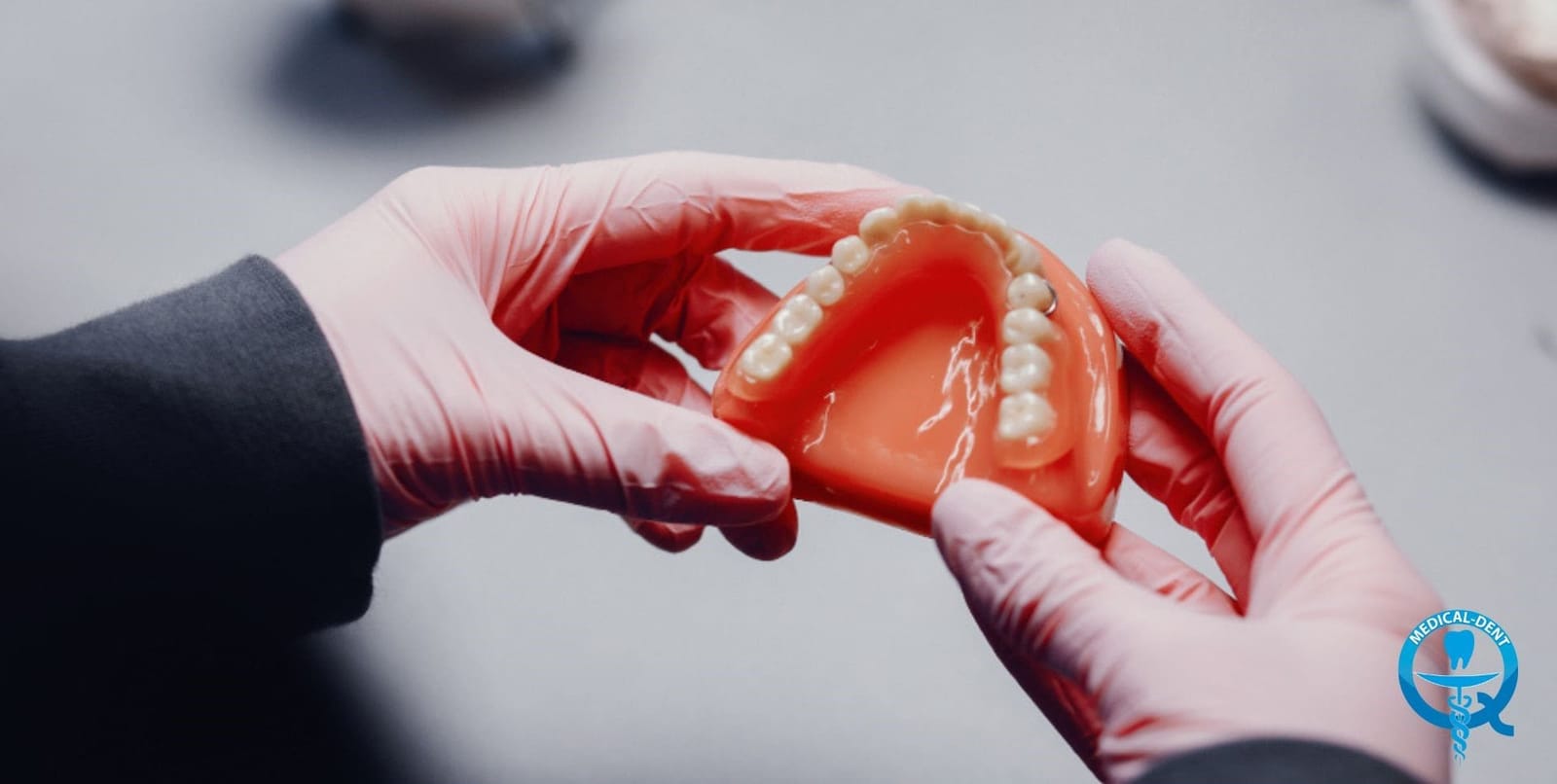
Wearing it while your mouth heals
Start with soft foods and small bites, following the advice for your procedure. Speech and chewing may feel different initially. If there are sore spots, looseness or difficulty using the denture, arrange an adjustment rather than altering it yourself.
If you are having implant treatment, ask when and how the denture can be worn. It must be checked so that it does not place unwanted pressure on the surgical area. A temporary denture is not automatically safe to wear over a healing implant or graft without this assessment.
After an immediate denture is fitted, you may be asked to leave it in place during the first day. Follow your own post-extraction instructions. Longer term, dentures are normally removed at night unless your dentist advises otherwise.
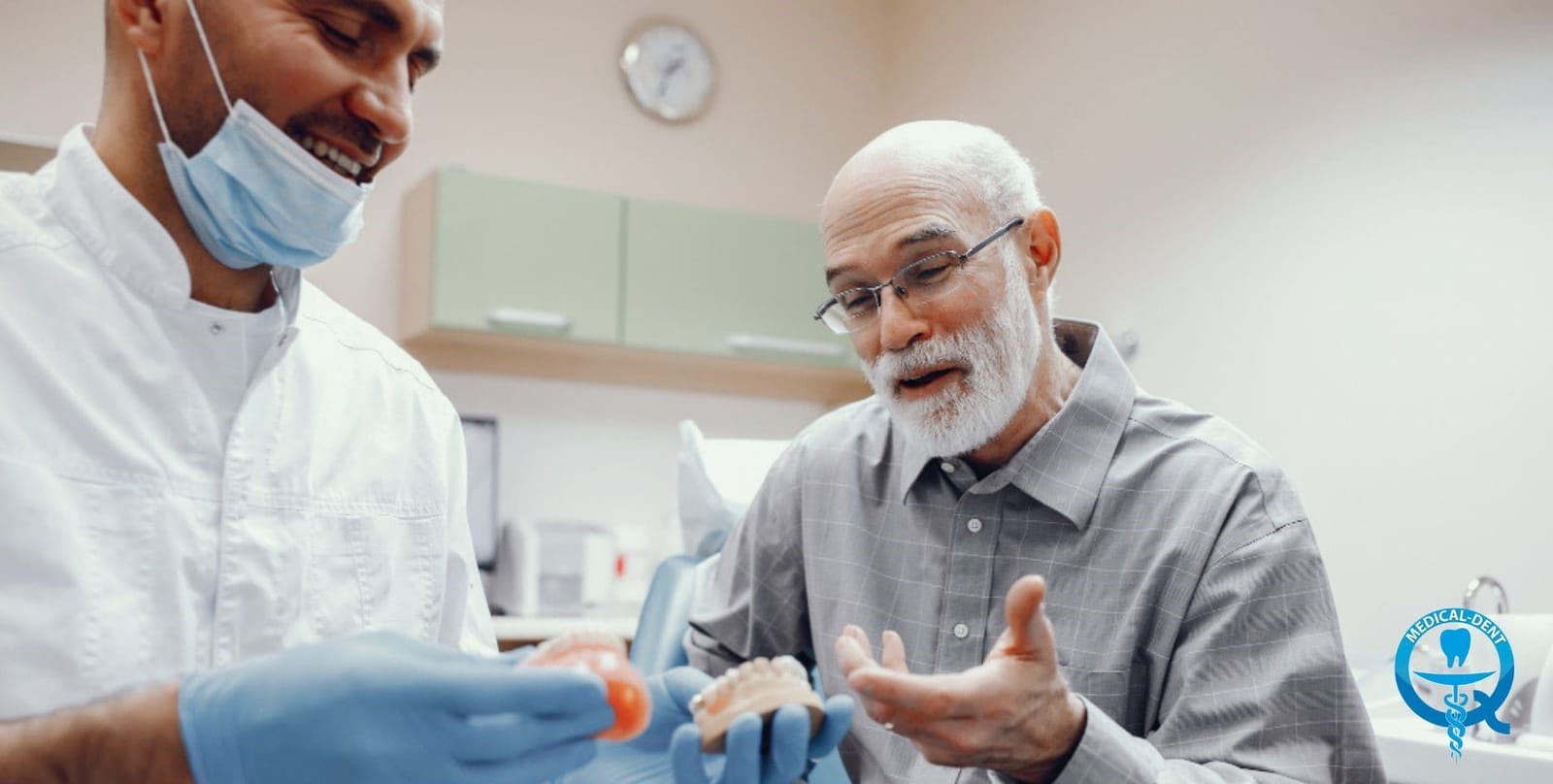
Cleaning and maintenance
Remove and clean the denture as instructed, using a soft brush and a suitable non-abrasive cleaner. Avoid hot water, which can distort it, and do not use ordinary toothpaste on the denture because it can scratch the surface. Clean any remaining teeth with fluoride toothpaste and keep the gums and tongue clean too.
Handle the denture over a towel or a basin of water in case you drop it. Follow the instructions for storage and any soaking product, particularly if the denture contains metal. Do not use household glue to repair a break.
There is no universal expiry date measured in weeks or months. Its condition, fit, your healing and the next stage of treatment determine when it should be changed. Keep your review appointments even if it still looks acceptable.
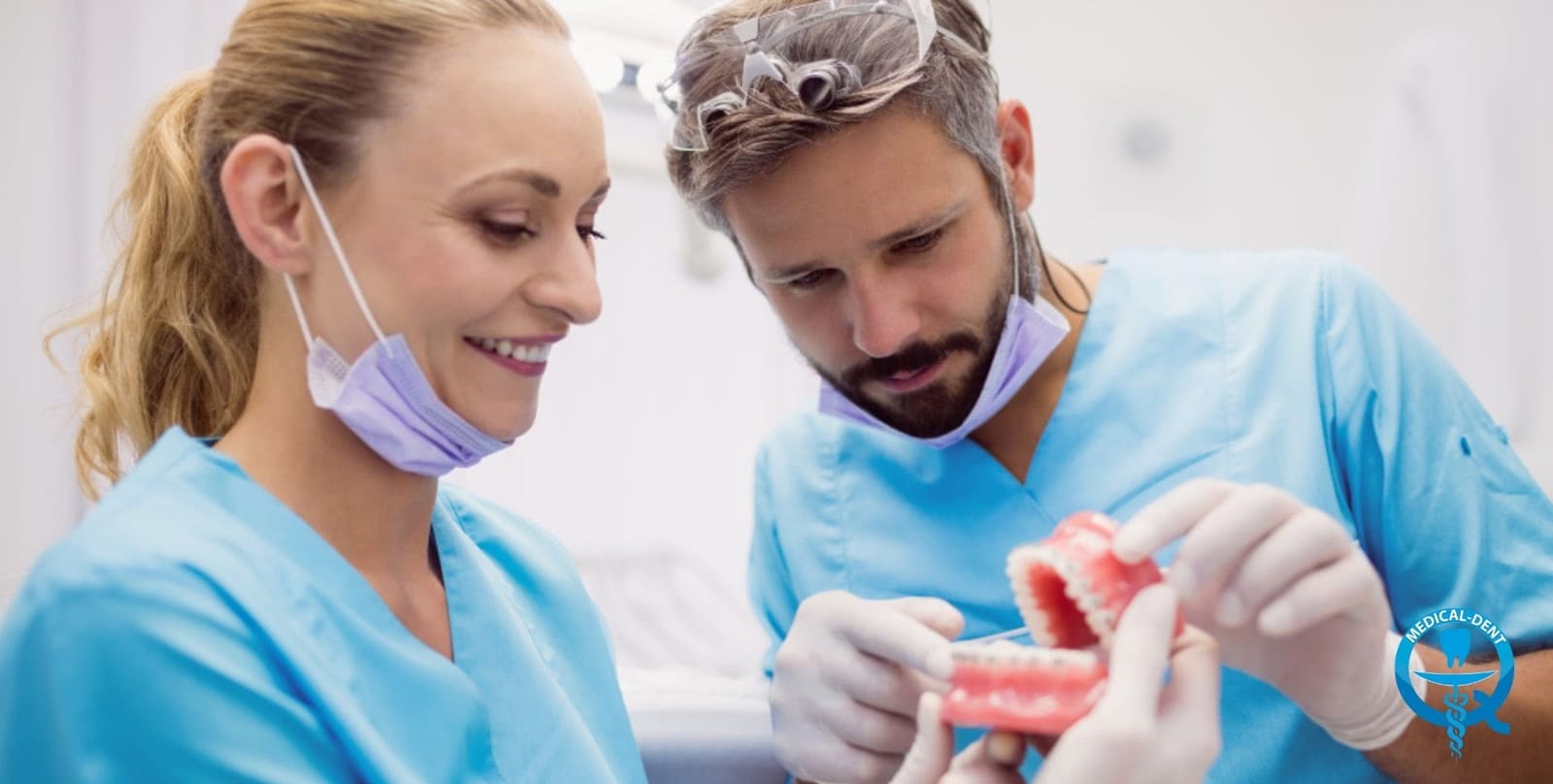
Moving to the next stage
A longer-term option may be a new denture, a bridge or an implant-supported replacement, depending on your preferences and clinical needs. Before moving on, the dentist checks healing and discusses the benefits, risks and costs of the options.
Ask whether the estimate includes the temporary denture, adjustments, relining and the final restoration. They should not be assumed to be one package. See our prosthodontic fees and contact us for an individual assessment.
If you are considering instalments, read the current finance terms; eligibility and approval conditions apply.