
Bruxism: teeth grinding, clenching and ways to manage it
Originally published
Bruxism means grinding or clenching your teeth. It can happen while you are awake or asleep, and you may not notice it yourself. A partner may hear grinding at night, or your dentist may spot wear or damage during a check-up.
What can contribute to it?
There is not always one clear cause. Stress, anxiety, sleep problems and some medicines can be associated with grinding. Smoking and high alcohol or caffeine intake may also contribute. These are possible factors to discuss, not proof of the cause in every person.
Tell your dentist about your symptoms, sleep and medicines. If you think a prescription is involved, speak to the prescriber rather than stopping it yourself. The NHS bruxism guide describes common associations and sources of help.
Symptoms worth checking
Grinding or clenching can contribute to worn or chipped teeth, sensitivity and tired or sore jaw muscles. Headaches and disturbed sleep can also occur. These symptoms can have other causes, so an examination matters before choosing treatment.
Bleeding gums, changes in vision or problems with balance should not automatically be blamed on bruxism. Seek appropriate dental or medical advice for those symptoms instead of assuming that a mouthguard will resolve them.
Protecting teeth and managing symptoms
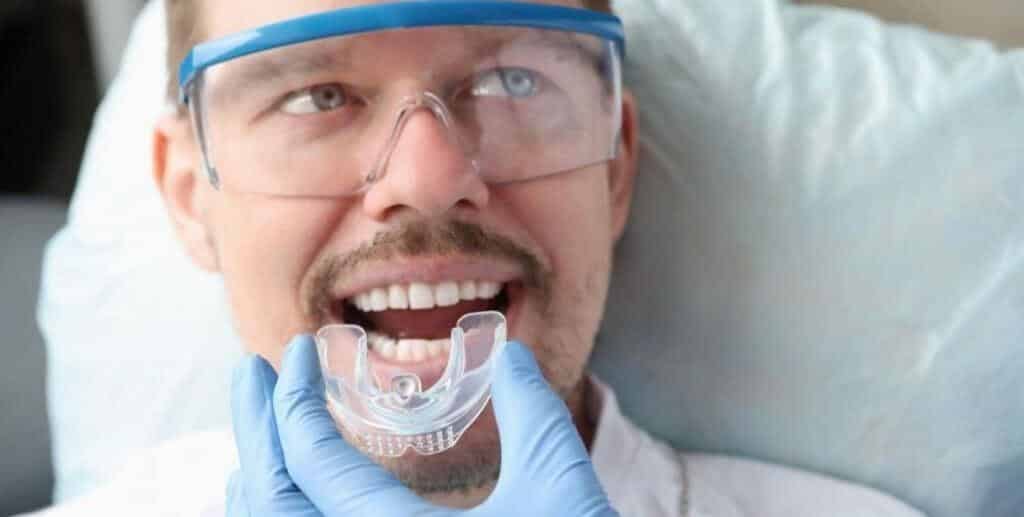
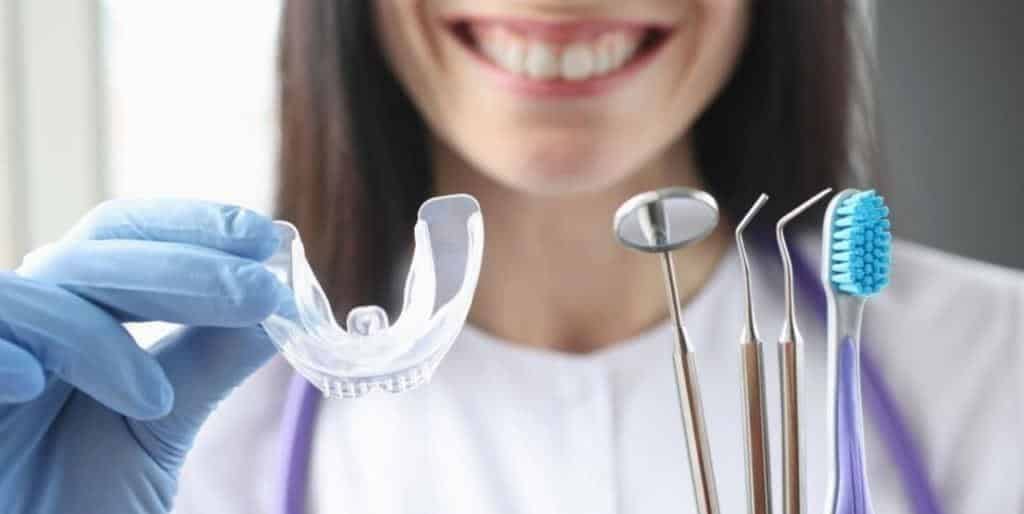
Not everyone needs active treatment. A dentist may suggest a fitted mouthguard or splint to protect teeth from further damage. The appliance should suit your teeth and bite; it is not necessarily soft or flexible. It needs review, especially if it becomes uncomfortable or no longer fits.
A splint protects teeth but does not guarantee that grinding will stop. Teeth that are already damaged may need separate treatment. The US National Institute of Dental and Craniofacial Research explains assessment and management of bruxism.
For daytime clenching, becoming aware of the habit and relaxing your jaw may help. Keep your teeth apart when resting rather than holding them tightly together. A regular sleep routine and ways to manage stress may also be useful. If stress or anxiety is affecting daily life, a GP can help you find suitable support.
Tell a GP about loud snoring, breathing pauses during sleep or marked daytime sleepiness, as a sleep problem may need assessment. Physiotherapy may be considered for associated jaw muscle or movement problems, but it should not be presented as a guaranteed cure for grinding.

What about braces or injections?
Do not assume that moving teeth or changing the bite will cure bruxism. Orthodontic treatment needs a separate assessment and a clear reason. Likewise, injections into chewing muscles are not an automatic next step or a fixed course suitable for everyone. If suggested, ask the clinician about the evidence, risks, alternatives and expected benefit in your case.
Arranging an assessment
See a dentist if you have tooth damage, sensitivity, jaw pain or concerns about grinding. We can discuss the assessment and any proposed treatment costs; the price depends on what is needed. Contact the practice or read the current finance information if you are considering instalments.