Tartar on teeth: why it matters for your gums
Originally published
Tartar, also called calculus, is hardened dental plaque. It can form above or below the gum line and provides a rough surface on which further plaque can collect. It is not simply food stuck to the teeth, and it cannot be brushed away once firmly established.
The amount and speed of build-up vary between people. Finding tartar is a reason to review your cleaning routine and dental care, not a reason to feel embarrassed.
How does it affect oral health?
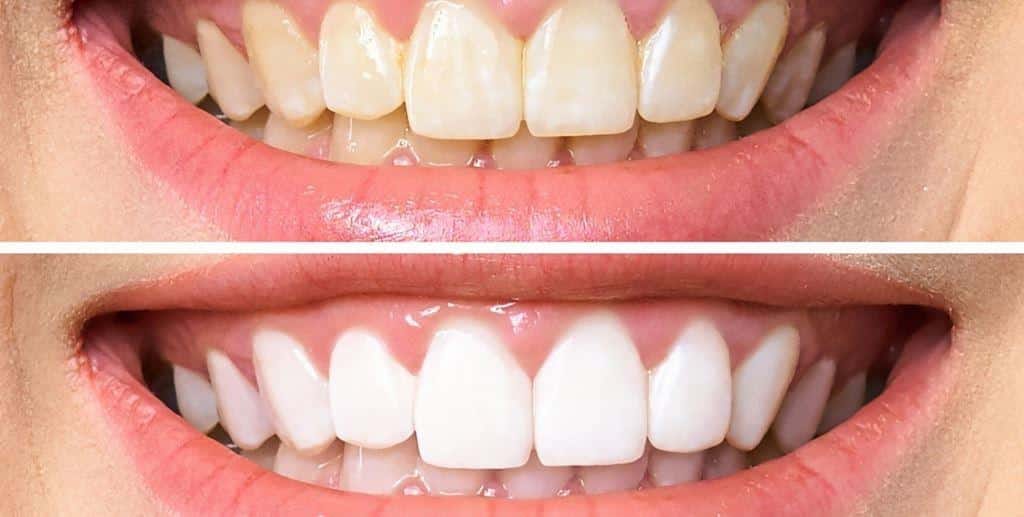
Plaque is a film of bacteria on the teeth. Minerals in saliva and other oral fluids can harden it into tartar. The deposits may look yellow or brown, but colour alone cannot tell you whether an area is tartar, staining or decay.
Plaque around the gums can cause inflammation and bleeding. Periodontitis affects the deeper supporting tissues and can lead to tooth loss. This is not an inevitable sequence for every person with tartar, and gum disease may be present without much pain.
Tartar makes effective cleaning more difficult. Removing it is one part of managing plaque and gum health; the underlying risk factors and daily care also matter.
What should you do if you notice deposits?
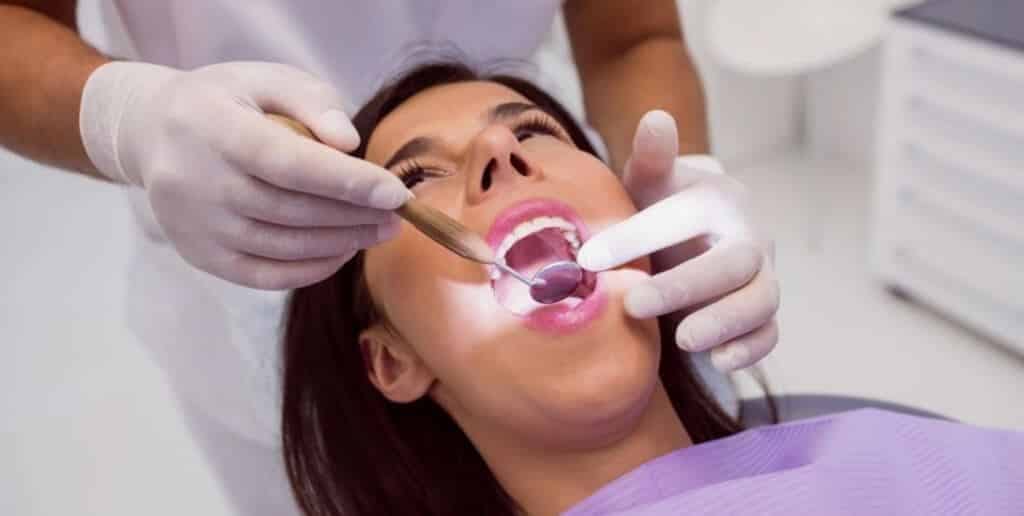
Arrange an assessment with a dentist or dental hygienist. Do not scrape your teeth with sharp tools or try to dissolve deposits with acidic home remedies. You can damage teeth and gums without treating the cause of the problem.
Bleeding, soreness, persistent bad breath or gums pulling away from teeth should also be checked. A loose adult tooth or marked swelling needs prompt dental advice rather than waiting for a routine cleaning appointment.
Professional cleaning and gum treatment
Scaling removes deposits using appropriate instruments. Cleaning below the gum line may be needed if gum disease is present, and the clinician will explain any need for local anaesthetic or several visits. Polishing or air polishing addresses selected surface deposits and stains; it does not replace every part of periodontal care.
The treatment is chosen after assessment. A particular device or a full package of procedures is not essential for every patient, and no cleaning method permanently sterilises the mouth.
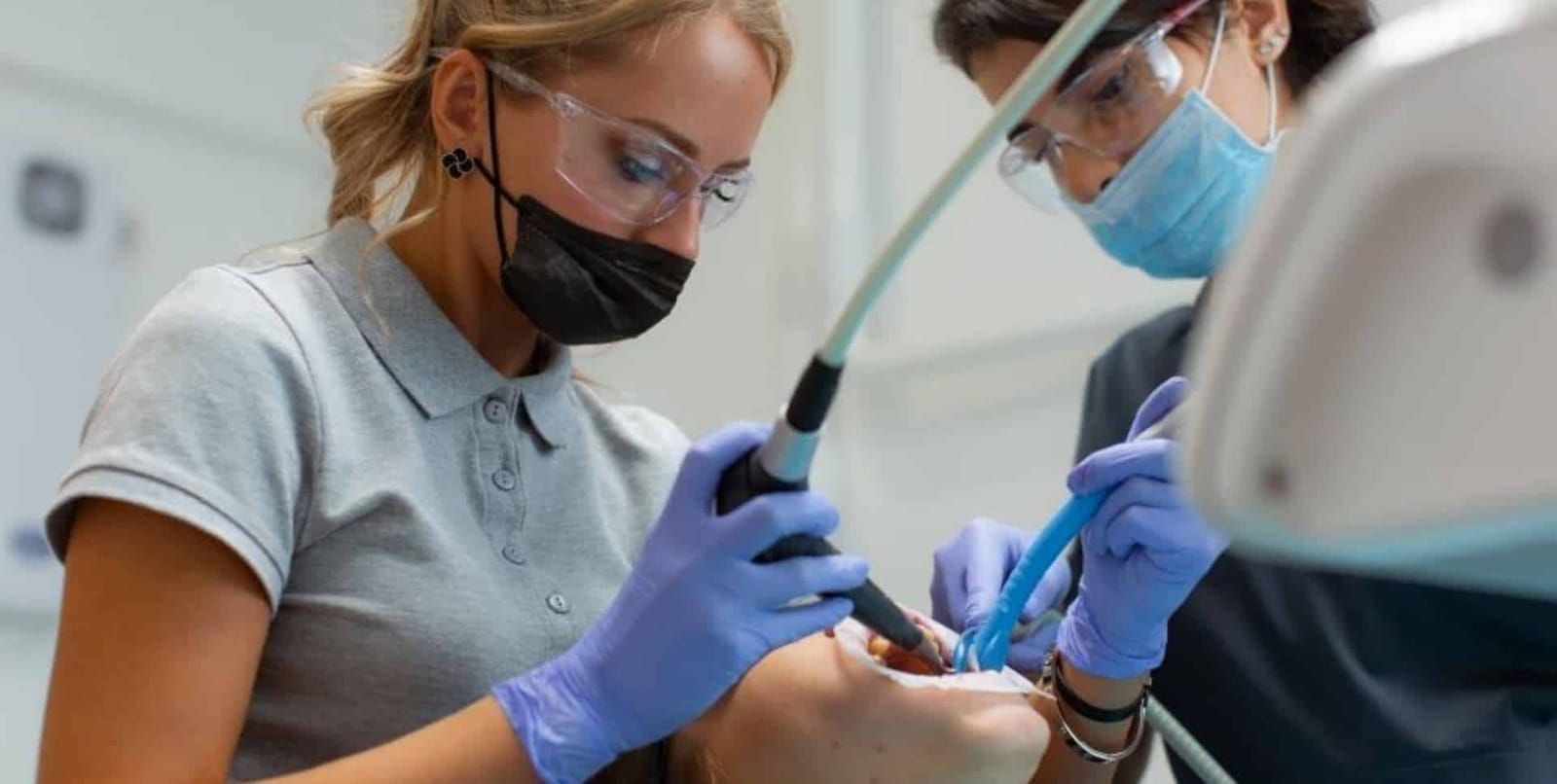
Our listed scale, Airflow and fluoride varnish package is £170. See the dental fee page. Ask which parts are appropriate for you and whether a separate periodontal treatment plan is needed. Fluoride helps protect against decay; it is not a treatment that removes tartar.
A cleaning visit should not automatically be assumed to include a complete dental examination or every treatment you need. Confirm what is booked and agree a review interval based on your oral health.
Everyday care that helps
Brush for about two minutes twice daily with fluoride toothpaste, including last thing at night. Spit out the toothpaste afterwards rather than rinsing it away. Clean between teeth daily with tools suited to the spaces; your dental team can help you choose between interdental brushes and floss.
Mouthwash is not a substitute for brushing or cleaning between teeth. If you use it, follow advice on when to use it rather than washing away the toothpaste straight after brushing. Fluoride mainly protects against decay; it does not guarantee that no plaque or tartar will form.
If cost or anxiety makes dental visits difficult, tell the practice so you can discuss options and priorities. Current finance information explains the payment arrangements and conditions. Contact us to arrange an assessment or ask about cleaning appointments.