Surgical molar extraction: preparation and recovery
Originally published
A painful or damaged molar does not automatically need extraction. Depending on the diagnosis, a filling, root canal treatment or another restoration may be possible. The dentist should explain whether the tooth can reasonably be retained and why removal is being recommended.
When a tooth does need removing, a surgical approach may be planned because of its position, roots or the amount of tooth remaining. It does not always mean that a simple extraction has been tried and failed.
Why might surgery be needed?
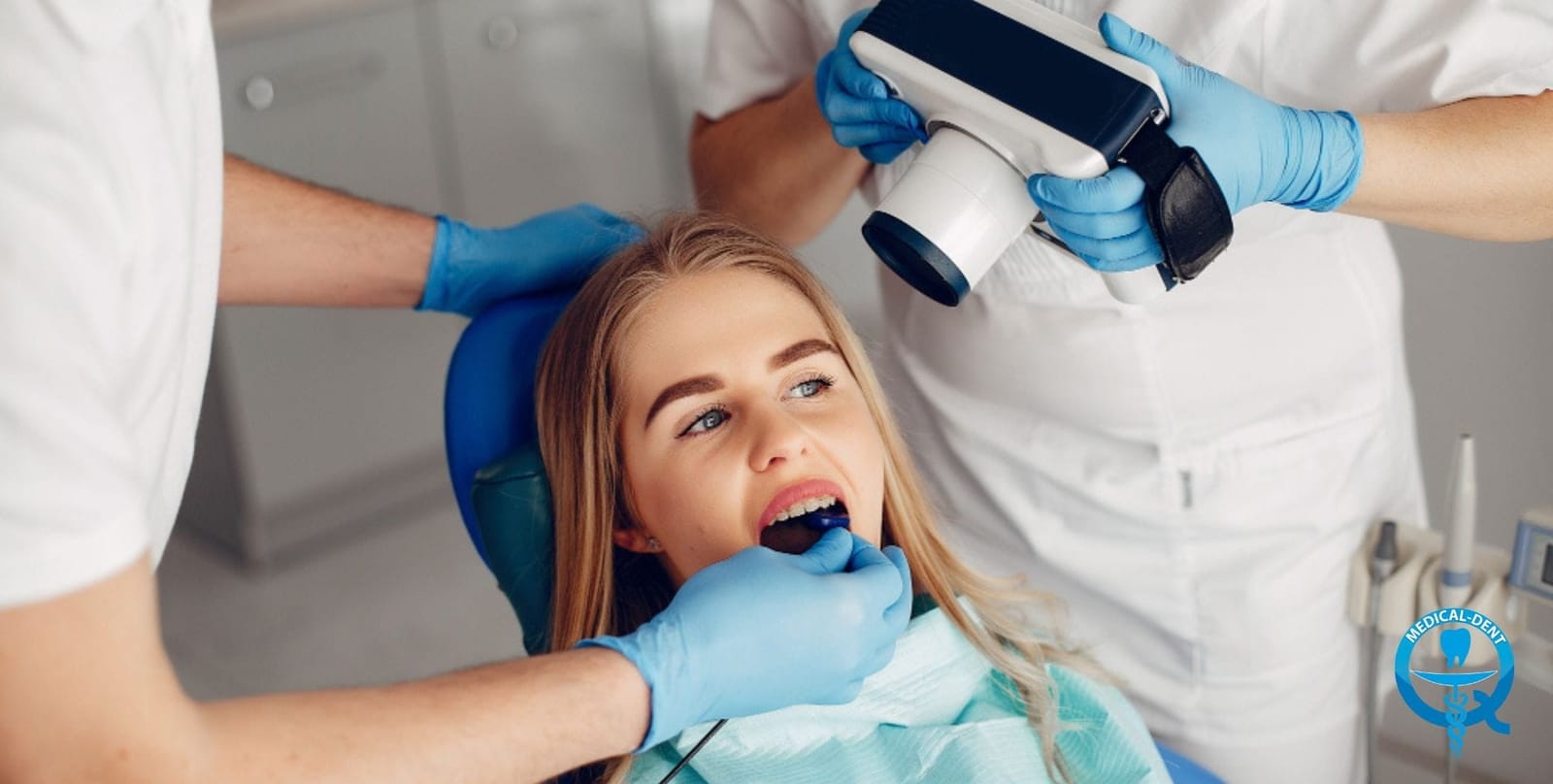
A badly broken tooth, difficult roots or a tooth lying partly or wholly under gum or bone may require surgical access. Examination and appropriate X-rays help the clinician assess the area and nearby structures.
The decision considers both the problem caused by the tooth and the risks of treatment. Imaging helps with planning, but it cannot guarantee an uncomplicated procedure or a particular recovery time.
Preparing for the appointment
Give the team an up-to-date list of medicines and medical conditions, including blood-thinning medicines and any treatment affecting bone or immunity. Do not stop prescribed medication yourself. Ask for clear instructions if your usual routine needs to change.
Eating and drinking advice depends on the anaesthetic. For local anaesthetic alone, you can usually eat beforehand unless instructed otherwise. Sedation or a general anaesthetic requires the team’s specific preparation instructions, including any fasting rules. Do not apply advice for a local-anaesthetic appointment to a sedated procedure.
If sedation or general anaesthesia is planned, confirm escort, transport and supervision arrangements. Tell the team if you are anxious so they can discuss support. The available options depend on the service and your needs.
What happens during surgical extraction?
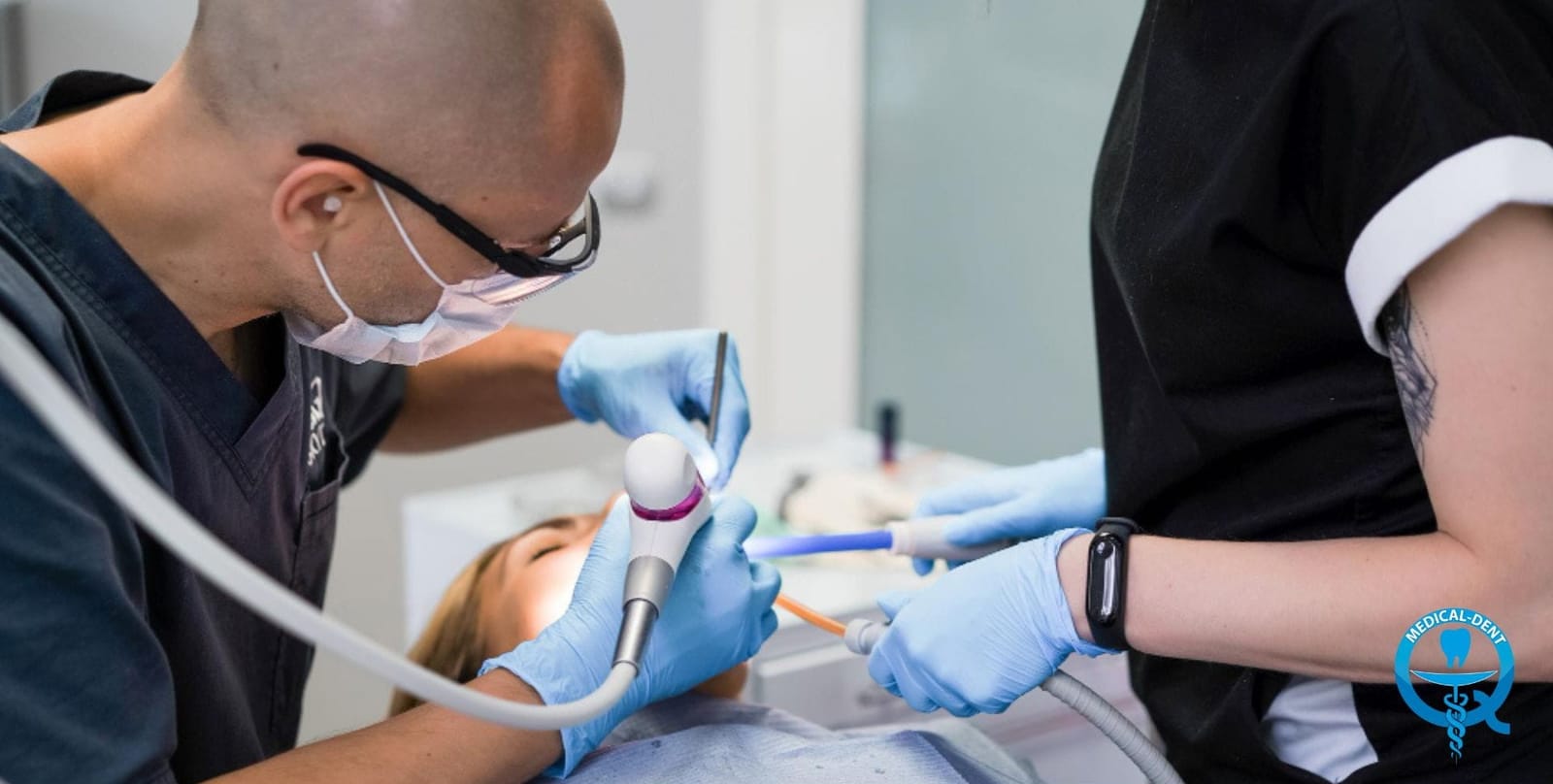
After the area is numbed, the clinician may make a small incision, remove some bone or divide the tooth into sections to remove it. You may feel pressure or movement; tell the team if you feel pain.
Stitches may be used to hold the tissues in position. Ask whether they dissolve or need removal. The risks can include bleeding, infection and dry socket; depending on the tooth’s position, there may also be risks involving nearby nerves, teeth or the sinus.
Looking after the area
Follow the written instructions from your treating team. For the first 24 hours, avoid rinsing, spitting or disturbing the socket. Choose suitable soft food and avoid hot food or drinks while the mouth is numb. Rest and follow advice on avoiding smoking, alcohol and strenuous activity.
Use pain relief only as directed and check suitability with a pharmacist or clinician if unsure. Do not change prescribed blood-thinning treatment on the basis of general advice about painkillers.
Some pain and swelling are common initially, but the course of recovery varies. Severe or worsening pain, especially after an initial improvement, may need treatment for dry socket or another complication. Contact the practice for advice rather than repeatedly increasing painkillers.
If the socket bleeds, apply firm pressure with clean gauze as instructed. Seek urgent dental advice if it does not settle. Fever, increasing swelling or feeling unwell also needs prompt assessment. Call 999 or go to A&E for difficulty breathing or swallowing, or severe bleeding that will not stop.
Fees and follow-up
Our listed surgical extraction fee for a premolar or molar is from £220. The final estimate depends on the assessment and procedure. See our oral surgery fees.
Ask about reviews and whether the gap will need replacing once it has healed. If you are considering instalments, check the current finance information. Contact us to arrange an assessment or seek advice after treatment.