Surgery before dentures: when might it be needed?
Originally published
Some people need treatment to the gums or jaw ridge before a new denture can fit comfortably. This is called pre-prosthetic surgery. It covers several procedures rather than one standard operation, and it is not necessary for everyone who needs dentures.
The decision should start with the problem you are experiencing and the design of the planned replacement teeth. Surgery is only useful when its expected benefit justifies the risks and recovery involved.
Why might surgery be discussed?
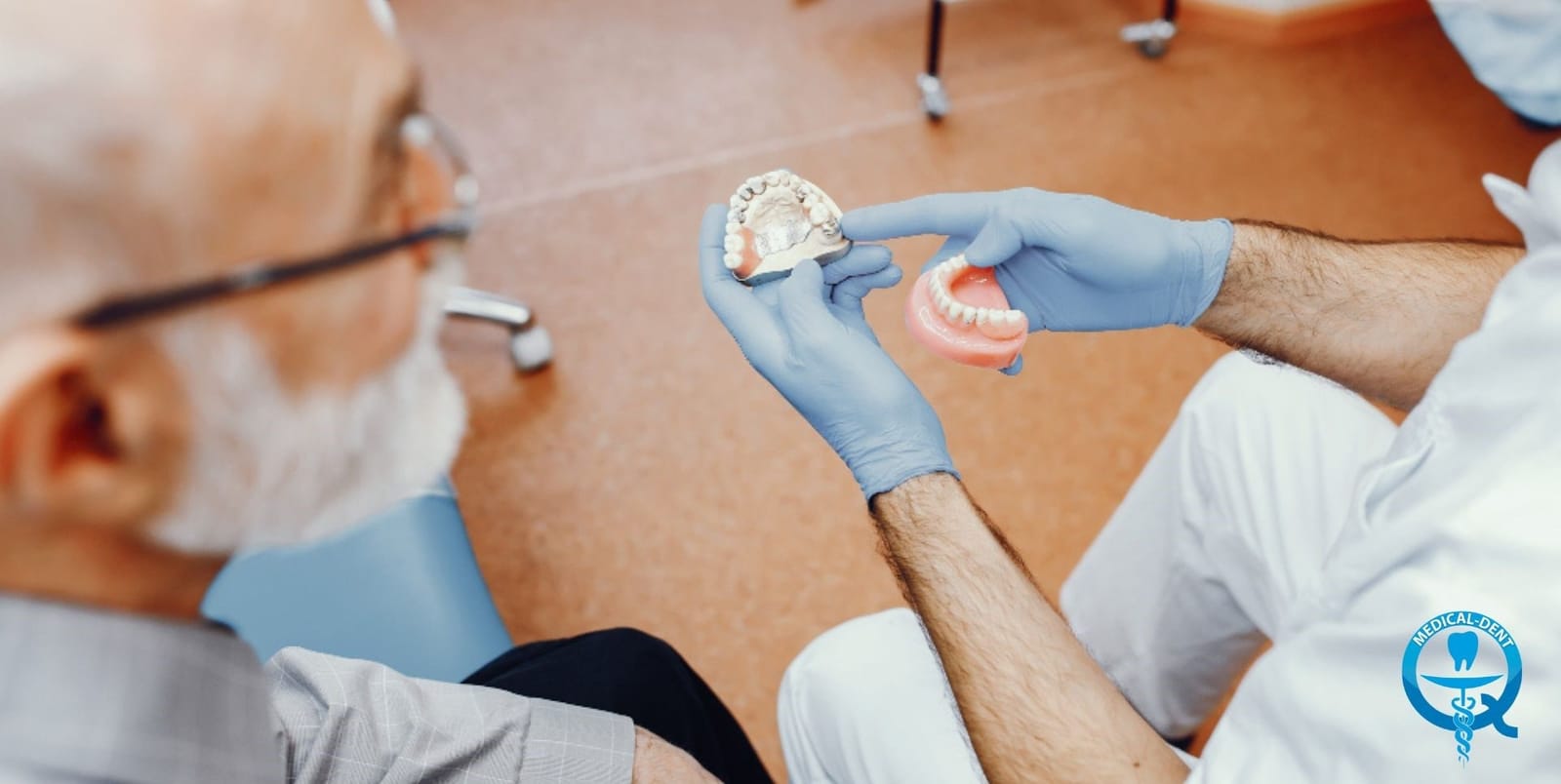
An uneven bony ridge, a prominent area of bone or excess soft tissue can sometimes interfere with a denture. A tissue attachment may also pull against its edge. Your dentist will examine these areas and decide whether they are actually causing a problem.
Soreness or looseness does not automatically mean an operation is needed. Adjusting, relining or replacing an unsuitable denture may help. Inflamed tissues may need time and treatment to recover before the fit can be assessed properly.
A persistent ulcer, lump or unusual patch should be examined rather than assumed to be harmless rubbing. Some areas need further investigation or a tissue sample. A new denture should not simply cover an unexplained change.
What can the procedures involve?
Depending on the findings, treatment may include reshaping a small area of bone, removing excess tissue or adjusting a tissue attachment that interferes with the denture. A retained root may need assessment and sometimes removal; finding a root fragment does not by itself mean it must always be taken out.
More complex operations to alter the denture-bearing area need a separate discussion about their benefits, risks and alternatives. The surgeon and the clinician making the denture should plan together. The American Association of Oral and Maxillofacial Surgeons describes preparation for dentures.
Planning the appointment
Tell the team about your medicines, medical conditions, previous healing problems and smoking. Do not stop prescribed medicines on your own. Imaging may be needed to understand the bone or nearby structures, depending on the planned procedure.
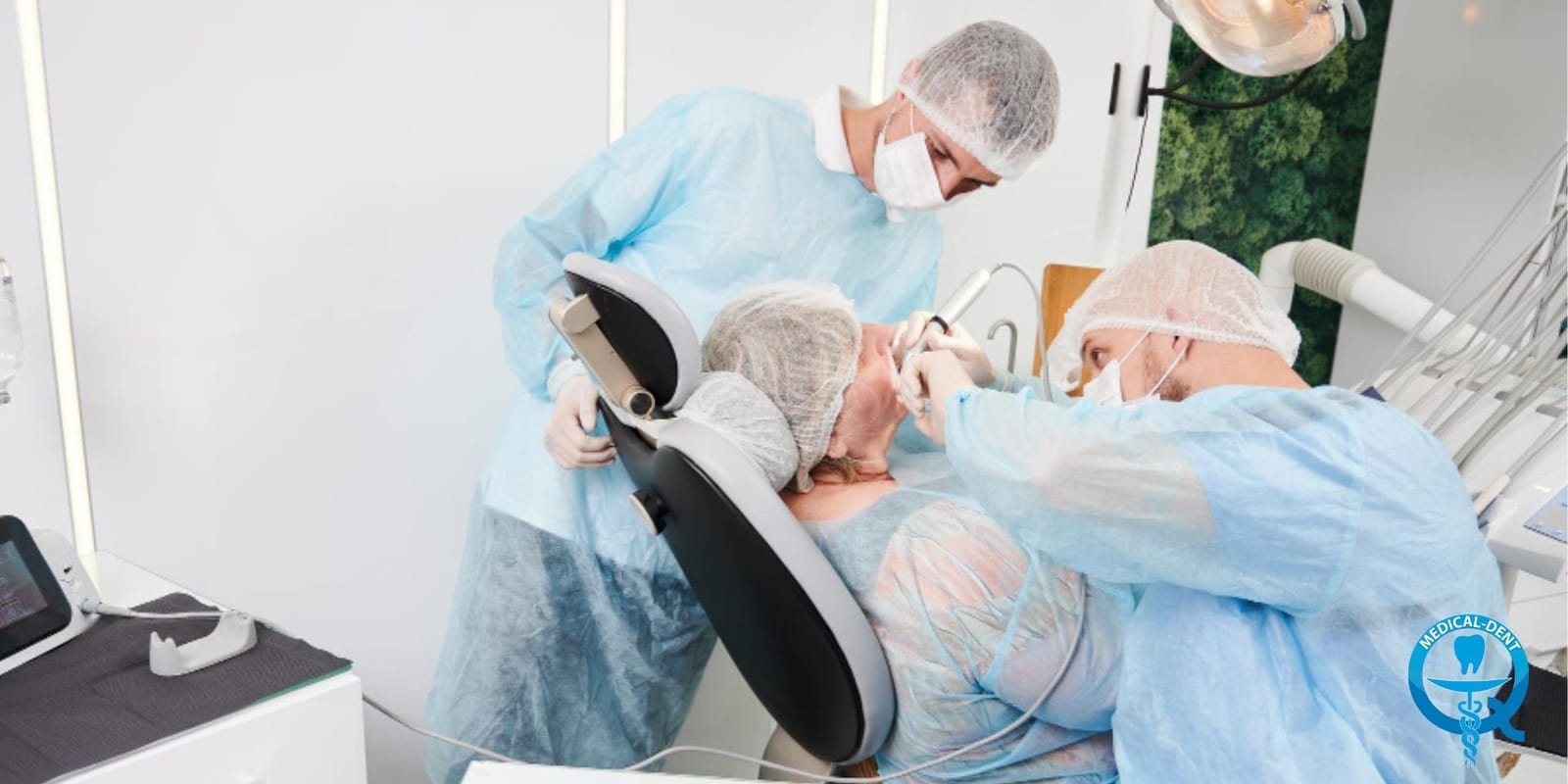
Many smaller procedures use local anaesthetic. The appropriate setting and anaesthetic depend on the operation and your circumstances; more extensive treatment may require referral. This article is not a promise that every procedure can be carried out at the practice.
Ask what improvement is realistic, what the alternatives are and how the operation fits into the denture plan. Removing more bone is not automatically better: preserving useful support also matters.
Healing and the next stage
Pain, swelling or bruising can occur after surgery, and the duration varies. Follow the written instructions for cleaning, food, pain relief and any temporary denture. Antibiotics are prescribed when indicated, not automatically after every procedure.
The timing of impressions and the final denture depends on healing and the treatment plan. A temporary denture may need adjustments as tissues change. Surgery cannot guarantee that there will never be rubbing, movement or a need for maintenance.
Contact the treating team promptly for worsening pain or swelling, fever, or bleeding that does not settle as instructed. If you cannot reach them, NHS 111 can advise. Severe swelling affecting breathing or swallowing, or heavy bleeding that will not stop, requires emergency help through 999 or A&E.
Costs and deciding whether to proceed
Ask for a written plan separating preparatory treatment, the denture and follow-up costs. Read our prosthodontic fees and discuss any surgical fees with the team. A single generic price would not cover this range of procedures.
If considering instalments, consult the current finance information. The decision about surgery should rest on your needs and the likely benefit, with enough time to understand the options before you agree.