
My child is terrified of the dentist: how can I help?
Originally published
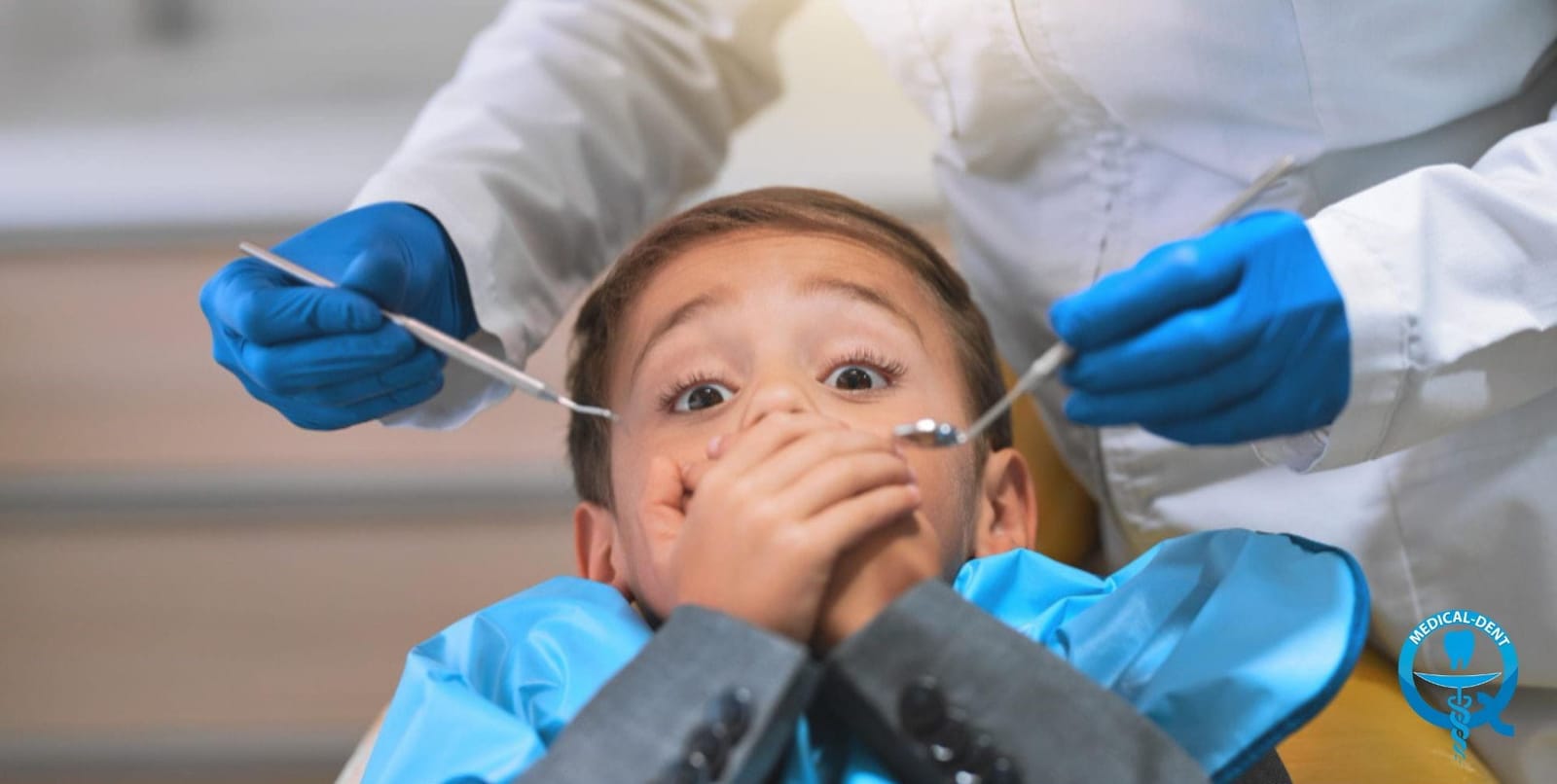
If your child is frightened of the dentist, tell the practice before the appointment. Explain what seems to worry them and what has helped in other unfamiliar situations. A previous painful experience, sensory discomfort or uncertainty about what will happen may all affect how a child copes.
The aim is to help your child feel heard and receive the care they need. Fear is not bad behaviour, and difficulty with an appointment does not mean that you have failed as a parent.
Prepare without making promises
Use simple, honest language suited to your child’s age. You might explain that the dentist will look at their teeth and help keep them comfortable. Avoid promising that nothing will hurt or that no treatment will be needed when you do not yet know.
Let the team know about communication needs, sensory sensitivities or previous experiences. A familiar toy, a quieter appointment or meeting the team before treatment may help, depending on what the practice can arrange.

Make room for questions
Ask what your child is worried about rather than assuming you know. Some children fear pain; others dislike the chair, sounds, smells or feeling unable to speak. The answer can help the dentist adapt the visit.
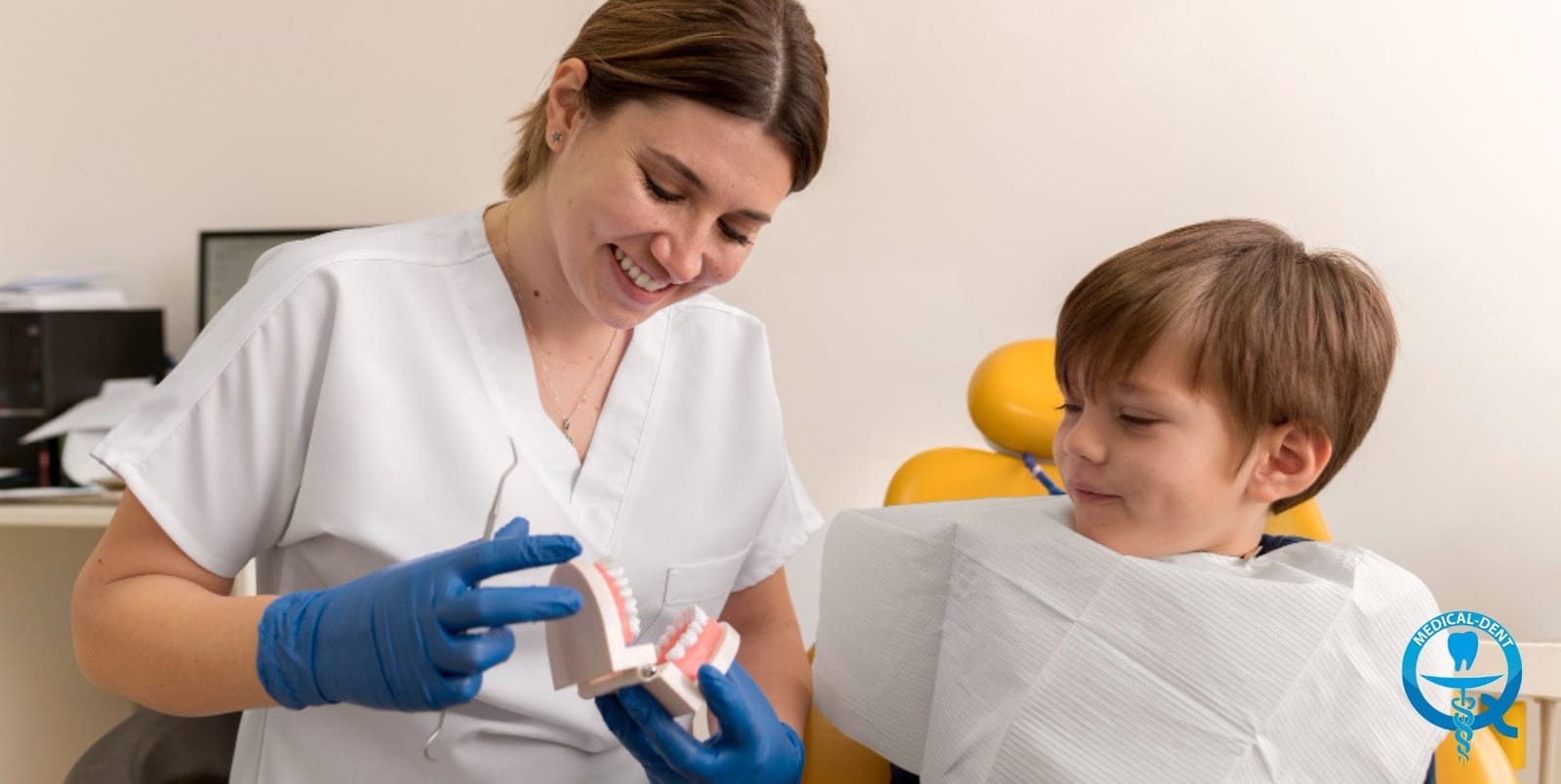
The team may show an instrument, explain what it does and introduce examination or treatment in manageable steps. Agreeing a stop signal can help: the dentist can explain how they will pause as soon as it is safe to do so.
Praise specific things your child managed, such as opening their mouth for a look. Avoid comparisons with siblings, threats or shame. If an appointment is difficult, discuss the next step with the team rather than treating it as a test your child has failed.
Gradual visits and urgent problems
When it is clinically safe, shorter appointments and gradual introductions may help build confidence. Some children need a different approach or referral to a service experienced in caring for anxious children.
Pain and infection cannot always wait for confidence to improve. Tell the practice about toothache, swelling or difficulty eating, even if your child is reluctant to attend. Ask a pharmacist about suitable pain relief for their age while arranging dental advice; painkillers do not treat the cause.
For suspected dental infection, seek urgent dental help or contact NHS 111 if you cannot reach a dentist. Severe swelling with difficulty breathing, swallowing or eye symptoms needs emergency help through A&E or 999. NHS advice on dental abscesses describes the warning signs.
Could sedation help?
Inhalation sedation uses nitrous oxide and oxygen through a small nose mask. A child remains awake and able to communicate, and local anaesthetic may still be needed for treatment. They need to be able to accept the mask and breathe through their nose.
It is not suitable for every child and does not remove all risks or guarantee that treatment can be completed. Assessment and an appropriately trained team are needed. Ask what is available locally and whether referral would be appropriate; do not assume every practice provides sedation.
Cambridge University Hospitals explains inhalation sedation for children’s dental treatment. Your child’s treating team should give the specific preparation and aftercare instructions.
For some children, specialist care may include psychological support or, after assessment, treatment under general anaesthetic. These are individual decisions, not automatic next steps after a difficult appointment. The SDCEP guidance on planning children’s dental care describes how cooperation, anxiety and treatment needs influence the plan.

Before leaving, agree what happens next and how to contact the team if symptoms change. Progress may be gradual. A clear plan helps you support your child without feeling you have to solve their fear before asking for dental care.