
Can teeth be straightened in six months?
Originally published
Some relatively simple tooth movements can be completed in around six months. That does not mean every bite problem can be corrected in that time, or that a six-month treatment is automatically unsuitable.
The useful question is what the proposed treatment will change. A plan focused on the appearance of the front teeth may have different aims from one that also addresses how the upper and lower teeth bite together.
What does short-term treatment involve?
Limited orthodontic treatment may use fixed braces or aligners to make selected changes to tooth position. Its suitability depends on the starting position of the teeth, the supporting tissues and the bite.
An improvement in the visible front teeth may be a reasonable aim for some adults. It is still important to understand any remaining crowding, bite discrepancy or other compromise. The clinician should assess the whole mouth even when the intended changes are limited.
The British Orthodontic Society explains the distinction between simple alignment and more comprehensive treatment. A date in an advertisement cannot replace an individual assessment.

Why can treatment take longer?
The amount and type of movement needed affect the timescale. Moving roots, correcting the bite or treating a more complex problem may take considerably longer than a small change in alignment. Oral health, attendance and following instructions also matter.
Ask for an estimated duration and what might change it. No clinician can promise that every tooth will respond to an exact timetable. Equally, the use of a similar-looking wire or appliance does not mean that two treatment plans have the same goals or duration.
Who should provide treatment?
Dentists providing orthodontic care need appropriate training and competence for the treatment they undertake. Only someone on the General Dental Council’s relevant specialist list can call themselves a specialist orthodontist.
Ask about the clinician’s experience, who will review your progress and how problems will be managed. Do not judge an individual clinician’s qualifications from the marketing name of an appliance. A second opinion can help if the proposed limits or alternatives are unclear.
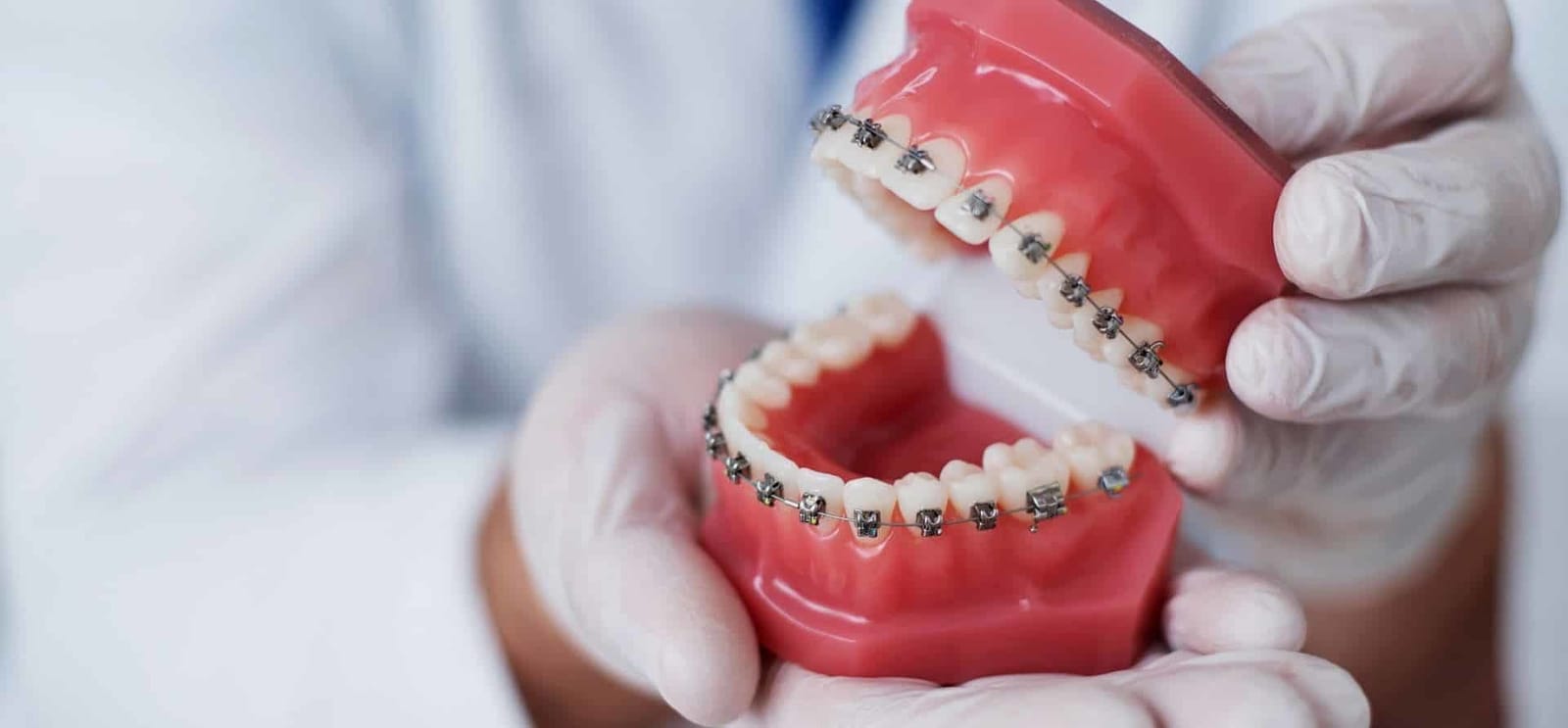
Risks and alternatives to discuss
Orthodontic treatment can involve discomfort, difficulty cleaning around appliances and changes to tooth roots. Problems with oral hygiene can lead to decay or gum inflammation. These risks need discussion for both short and longer courses; a shorter advertised duration does not prove that treatment will damage the teeth.
Before agreeing, ask what the plan can achieve, what it will leave unchanged and whether a more comprehensive approach would offer a different result. You can also choose not to proceed. Do not feel obliged to accept treatment before you have understood the options.
You will usually need retainers afterwards to help maintain the result. Teeth can move again after any course of orthodontics, so the retention plan and ongoing costs belong in the discussion from the start.

Planning treatment and costs
Request a written plan covering the proposed appliance, reviews, retention and any additional treatment. Our orthodontic fee page provides a starting point, but the appropriate option depends on assessment.
Contact us if you would like to discuss straightening your teeth. The aim is a plan whose benefits, limitations and likely timescale you understand.