Sinus lift: why it may be needed before dental implants
Originally published
A sinus lift can create more bone height for dental implants towards the back of the upper jaw. It involves gently raising the lining of the maxillary sinus, the air-filled space above the back teeth, and may involve placing graft material beneath it.
Not everyone considering an implant needs this procedure. The decision depends on the available bone, the sinus anatomy and the proposed position of the implant. A missing tooth also does not automatically require an implant: bridges, dentures or, in some cases, leaving the space under review may be alternatives.
Why might there be too little bone?
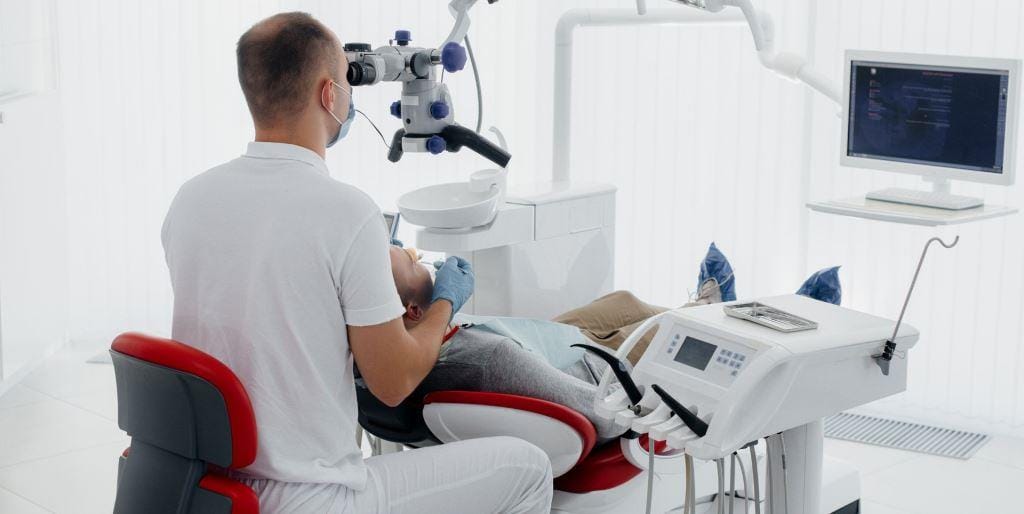
After an upper back tooth is lost, the remaining ridge of bone can change. The position of the sinus also affects the height available for an implant. This is a question of support for the implant, rather than simply finding enough room for a replacement tooth.
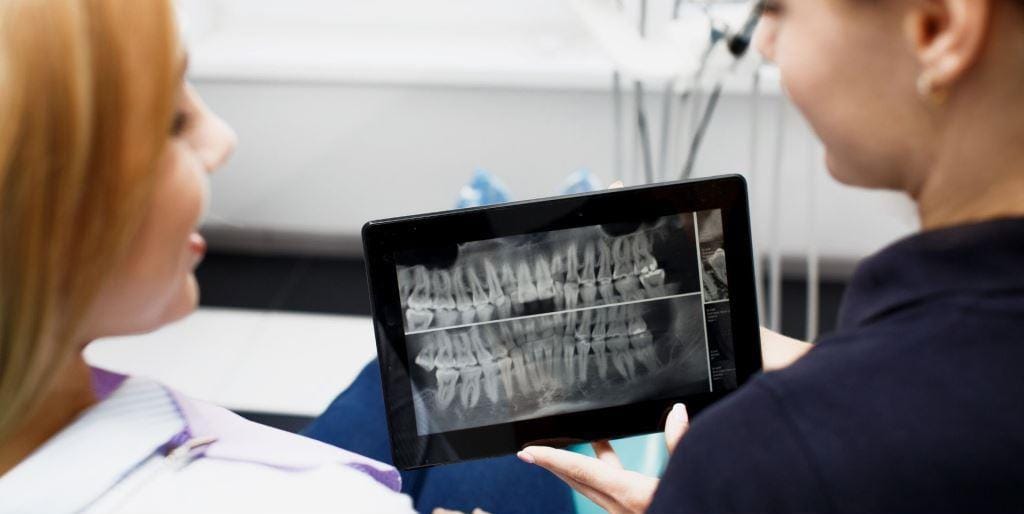
The assessment includes your dental and medical history, an examination and appropriate imaging. A three-dimensional scan may help show the bone and nearby structures. Tell the clinician about sinus symptoms, smoking, medicines and health conditions that could affect healing. Active dental or sinus disease may need treatment first.
A sinus lift has risks and is not suitable for everyone. Ask why it is being recommended and whether another implant plan or a different way of replacing the tooth would be reasonable.
The two main approaches
An internal, or transcrestal, approach raises the sinus lining through the site prepared for the implant. It is generally used where a smaller increase in bone height is needed and enough existing bone is available. An implant may be placed at the same appointment when conditions allow.
With an external, or lateral-window, approach, the surgeon reaches the lining through a small opening in the side of the upper jaw. This can allow a larger augmentation. Implant placement may be simultaneous or delayed until the graft has healed; the external approach does not always require a separate implant operation later.
Graft materials have different origins, including human, animal and synthetic sources. Ask which material is proposed if this matters to you for personal, religious or other reasons.
Comfort, risks and healing
Local anaesthetic is commonly used to numb the area. Tell the clinician if you feel pain during treatment; pressure and movement may still be noticeable. Soreness, swelling or bruising can occur afterwards.
Possible complications include a tear in the sinus lining, infection, bleeding or a graft that does not provide enough bone. Occasionally treatment must be stopped or repeated. Your clinician should discuss your individual risks before you consent.
Follow the written aftercare advice, including restrictions on nose blowing and instructions for prescribed medicines. Contact the treating team promptly for worsening pain or swelling, fever, persistent bleeding or concerns about the wound. Do not wait for a routine review if you feel unwell.
Healing takes months, and the complete plan may involve several stages before the replacement tooth is fitted. Ask for an estimate suited to your case rather than a guaranteed completion date.
Cost and treatment planning
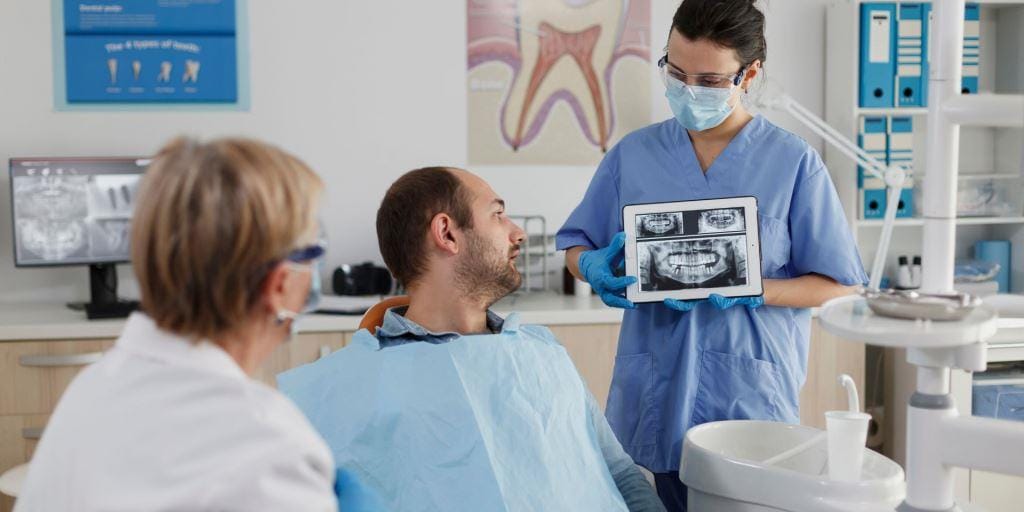
The listed sinus lift fee at Medical Dent is from £800. Ask for a written estimate explaining the technique, materials and what is included. This is not a price for the complete implant restoration. The implant, abutment and crown need to be accounted for separately in your plan; an abutment is not included in the implant or crown price.
See the implant fee list and, if needed, the current finance terms. Finance depends on eligibility and approval. Contact us to discuss an assessment.
Further information is available from Cambridge University Hospitals on sinus lifts and Leeds Teaching Hospitals on implants.