Teeth whitening: safer options and methods to avoid
Originally published
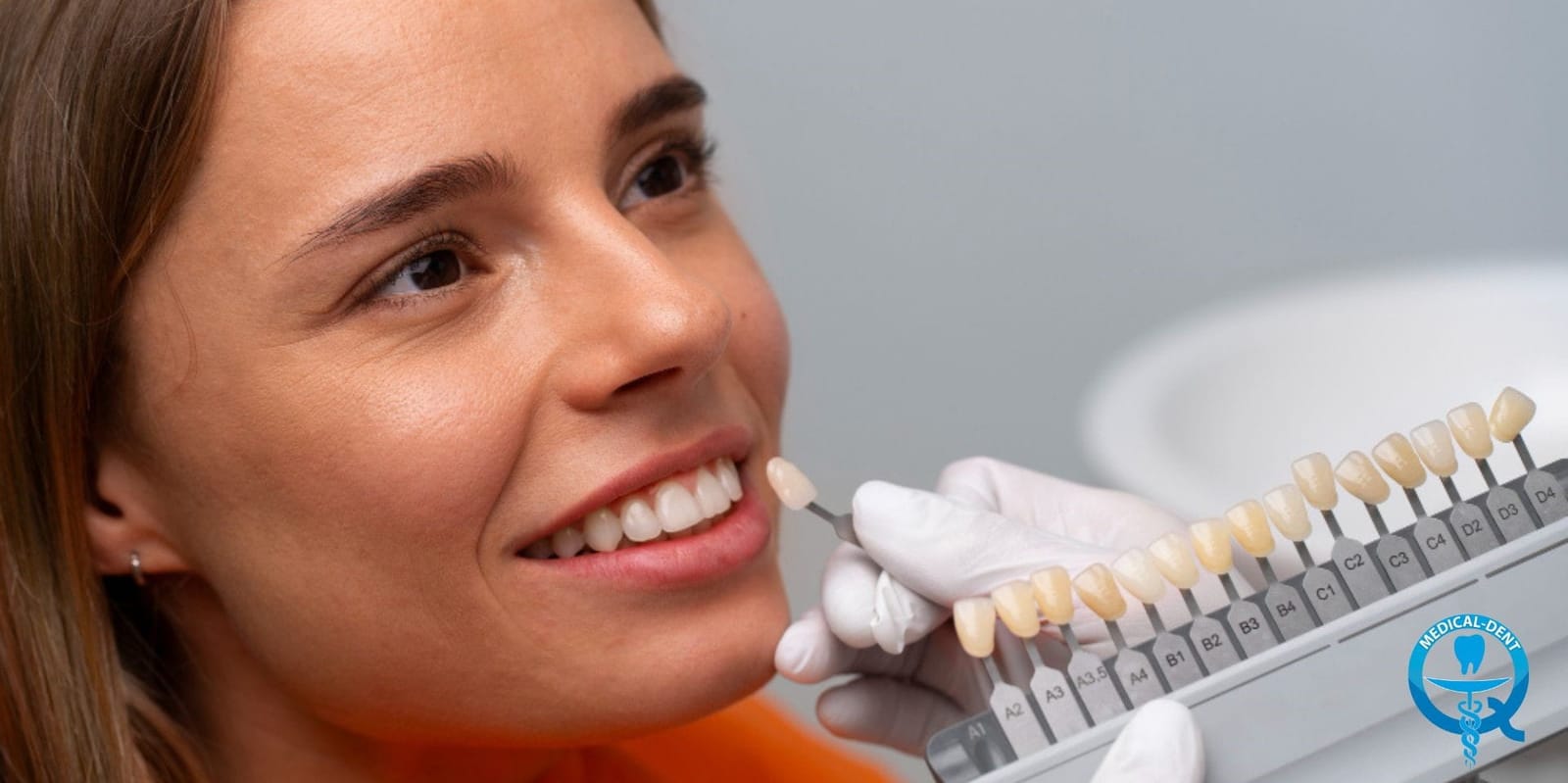
Teeth naturally vary in colour. The dentine beneath the enamel, age, staining and previous dental treatment all affect their appearance. A darker shade does not necessarily mean that your teeth are unhealthy or badly cleaned.
If you want a lighter shade, start with a dental assessment. The dentist can check for decay, gum problems, cracks and existing restorations before recommending treatment. Professionally supervised whitening still has possible side effects, so the product and instructions matter.
Removing stains or changing tooth colour?
Cleaning and some toothpastes can remove surface staining, but that differs from bleaching the colour of natural teeth. The effect of shop-bought products varies with their ingredients; it is not accurate to say that every whitening strip works only on surface stains.
Avoid improvised mixtures containing acids, charcoal or abrasive powders. They can damage or irritate teeth and gums, especially with repeated use. Do not use household bleach or unprescribed concentrated peroxide, and do not increase a gel’s strength or wearing time yourself.
Dentist-supervised options
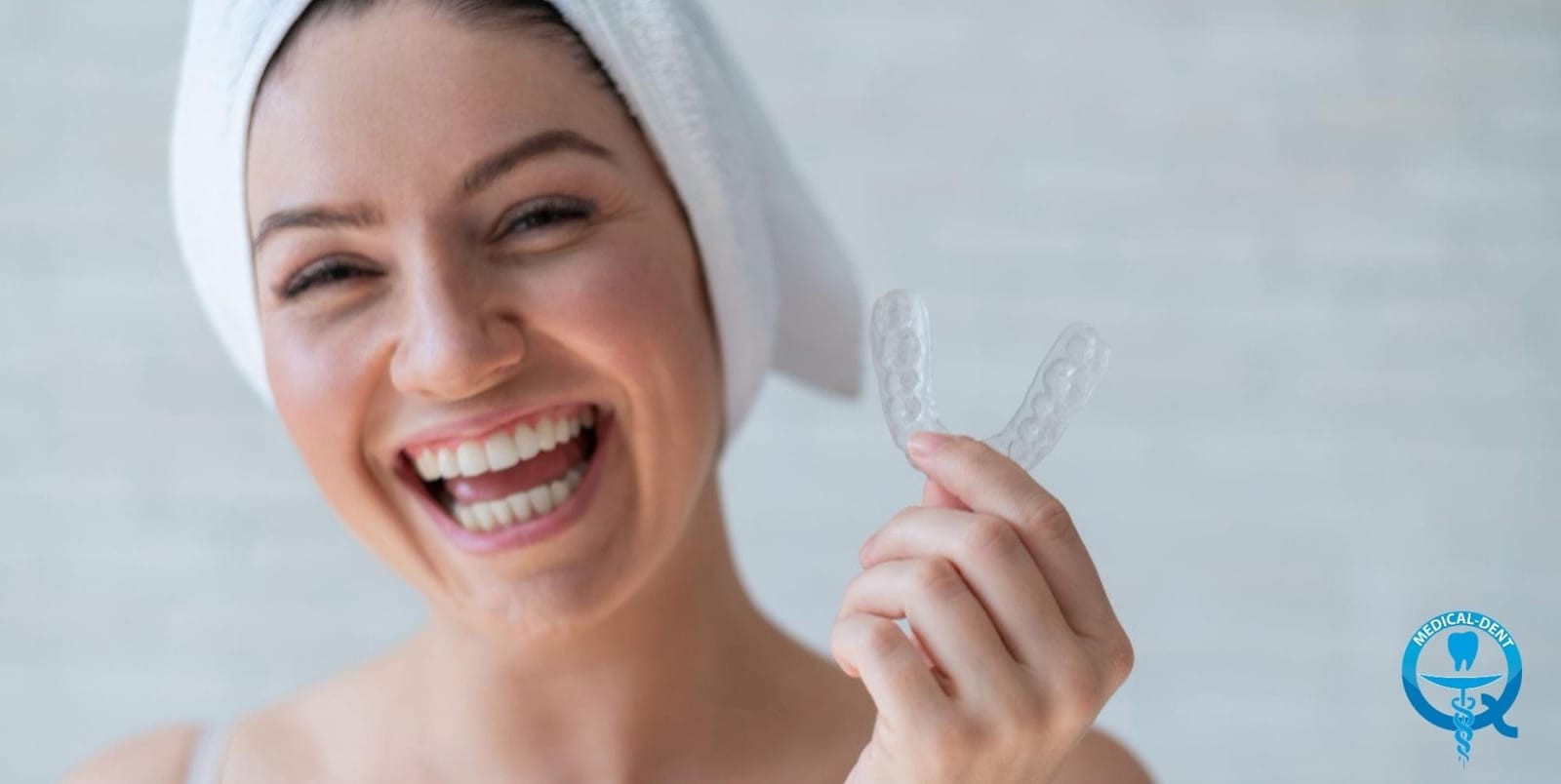
A home whitening kit prescribed by a dentist normally uses fitted trays and a gel with clear instructions. The team checks the fit, explains how much gel to use and agrees a treatment schedule. Treatment may take several weeks; the starting shade and response affect the result.
In-surgery whitening is another option. Some systems use a light alongside the gel. A lamp, stronger gel or shorter appointment does not by itself guarantee a better final result than a supervised home course. Discuss the complete treatment plan and follow-up, rather than comparing the light source alone.
Enlighten is one of the systems offered at our practice. Its manufacturer states that it guarantees Vita shade B1 and does not require a white diet. Ask your dentist how the treatment and guarantee apply to you. This does not mean the result lasts forever or that every patient needs the same schedule.
Suitability and side effects
Whitening changes natural tooth colour; fillings, crowns, veneers and dentures do not whiten in the same way. A mismatch may therefore need discussion before treatment. Active dental problems should be assessed and managed first.
Cosmetic whitening is for adults and is not recommended during pregnancy or breastfeeding. Tell your dentist about existing sensitivity and any problems with previous whitening.
Temporary sensitivity and gum irritation can occur. Contact the dental team if symptoms bother you, and follow their advice about pausing or adjusting treatment. More gel or longer use is not a safe shortcut. Follow the aftercare for your specific system rather than a blanket food ban from an unrelated product.
Current whitening fees
Our listed options are:
- Home whitening tray kit: £300.
- In-surgery LED whitening: £400.
- Enlighten whitening: £550.
See the dental fee page and ask what each course includes, whether any preparatory treatment is needed and what future maintenance may cost. The result can fade over time; there is no universal interval for top-ups.
Finance may be available subject to status, affordability and terms. Medical-Dent acts as a credit broker, not a lender; read the current finance information before choosing a repayment period.
Contact us to discuss whether whitening is suitable for your teeth and the change you would like to achieve.